
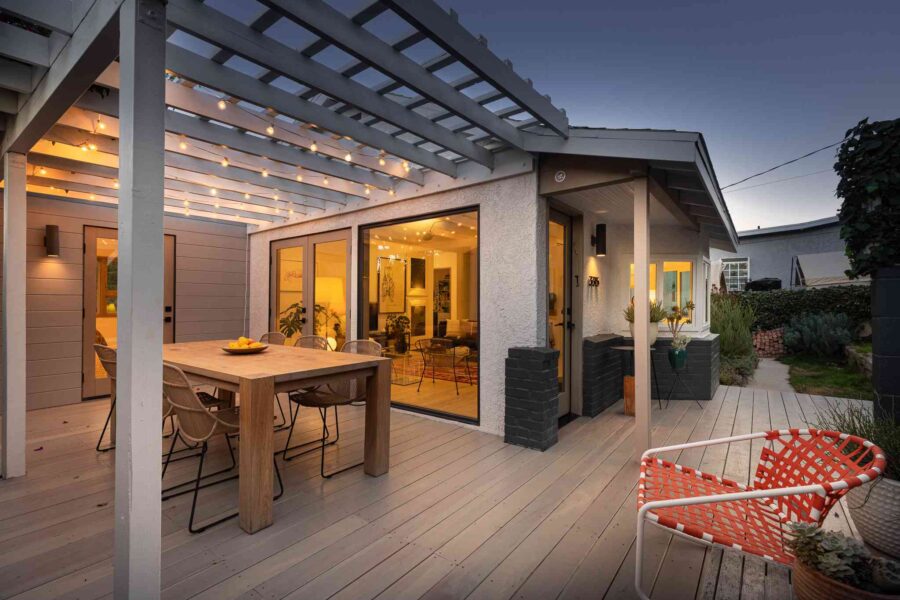
A home does not stop making an impression when the sun goes down. In fact, evening can reveal a completely different side of a property. A well-lit entrance can make a house feel warmer, a garden can become more inviting, and architectural details that disappear in daylight can take on a new character after dark.
Outdoor lighting is therefore much more than a practical addition. It can become part of the overall design of a home, helping connect the front entrance, garden, pathways, porch, and outdoor living areas into one cohesive space.
The challenge is knowing where to begin. With so many different fixtures and styles available, choosing outdoor lighting can quickly become overwhelming. The good news is that creating a beautiful exterior does not require covering every corner of the property with bright lights. A thoughtful combination of functional and decorative fixtures is usually far more effective.
Start With the Entrance
The front entrance is one of the most important areas to consider when planning outdoor lighting. It is where visitors arrive, where homeowners enter and leave the property, and often the first architectural feature people notice.
A good entrance light should provide enough illumination to make the doorway easy to see without making the area feel excessively bright. Wall-mounted fixtures on either side of a door can create a balanced appearance, while a single fixture can work well when space is limited.
The size of the light matters too. A fixture that looks impressive in a showroom can appear oversized beside a modest doorway, while a tiny light can disappear completely against a large entrance.
Think about the proportions of the door, surrounding windows, porch, and exterior walls before choosing a fixture. The goal is to make the light feel like part of the architecture rather than an object that has simply been attached to it.
Think About Curb Appeal After Dark
Curb appeal is often associated with landscaping, paint colours, front doors, and well-maintained gardens. If you are looking to upgrade your outdoor space alongside your new lighting, you can explore these tips to give your garden a stylish makeover. Lighting deserves to be part of the same conversation.
During daylight, the shape and colour of a home are easy to appreciate. At night, carefully positioned lights can recreate that sense of character in a completely different way.
A pair of attractive wall lights can frame an entrance. Path lights can guide visitors towards the front door. A post-mounted fixture can illuminate a driveway or garden entrance, while subtle landscape lighting can draw attention to trees, planting beds, or architectural features.
The important word is subtle.
Flooding the entire front of a property with intense light can actually reduce its visual appeal. Instead, use different levels of illumination to create contrast. Some areas should be clearly visible, while others can remain softer and darker.
This creates depth and makes the exterior feel more sophisticated.
Choose a Style That Complements the Architecture
Outdoor lighting should not be selected in isolation. The architectural style of the property should influence the shape, material, finish, and overall character of the fixtures.
A traditional bungalow, for example, may look especially attractive with lighting that reflects its handcrafted details and strong horizontal lines. A contemporary property might work better with simpler fixtures featuring clean shapes and minimal decoration.
Craftsman and Mission-inspired homes offer particularly interesting opportunities. These architectural traditions place considerable emphasis on craftsmanship, natural materials, geometric forms, and practical beauty.
Modern Bungalow’s exterior lighting collection includes Craftsman and Mission designs alongside Mid-Century and Gothic-inspired options, allowing homeowners to select fixtures that work with different architectural personalities rather than forcing every home into one style.
The result should feel coordinated without becoming overly matched. Different fixtures can be used around the property as long as they share a common visual language.
Use Different Types of Outdoor Lighting Together
One of the most effective ways to improve an exterior is to stop thinking about outdoor lighting as one single category.
Different areas require different solutions.
Wall-Mounted Lights
Wall-mounted fixtures are ideal around doors, garages, patios, and other vertical surfaces. They can provide practical illumination while also acting as architectural details.
For front entrances, matching fixtures on either side of the door can create symmetry. On a side entrance or smaller doorway, one appropriately sized wall light may be enough.
Pendant Lighting
Covered porches and outdoor ceilings provide an opportunity to use hanging fixtures. An exterior pendant can add a stronger decorative element while providing focused light over an entrance or seating area.
The height of the ceiling and the amount of available space should be considered carefully. A pendant should provide useful illumination without obstructing movement or becoming visually overwhelming.
Post-Mounted Lighting
Post lights can be particularly useful for larger gardens, driveways, paths, and entrances that are separated from the house.
They can also introduce another vertical element to a landscape, making them useful from a design perspective as well as a practical one.
Landscape and Path Lighting
Not every outdoor light needs to illuminate a large area. Small landscape fixtures can highlight planting, guide people along pathways, or draw attention to a particularly attractive part of the garden.
Using several smaller sources of light can create a softer and more interesting effect than relying on one powerful fixture.
Create a Comfortable Outdoor Living Area
Outdoor spaces are increasingly treated as extensions of the home. A patio, porch, balcony, or garden seating area can become a place for evening meals, conversations, reading, or simply relaxing after a long day.
Lighting can determine whether that space feels comfortable after sunset.
The best approach is usually to create layers. Start with the lighting needed for basic visibility, then add softer sources around seating and entertaining areas.
A covered patio might benefit from a ceiling or pendant fixture, while wall-mounted lights can illuminate nearby doors. Additional landscape lighting can provide a gentle glow around plants and pathways.
Avoid placing extremely bright lights directly at eye level. Glare can make an otherwise beautiful outdoor space uncomfortable.
Instead, position fixtures so that the light falls where it is needed without shining directly into people’s eyes.
A patio, porch, balcony, or garden seating area can become a place for evening meals, conversations, reading, or simply relaxing after a long day. If you are building or upgrading an exterior space, checking out some backyard deck ideas can help you create the perfect foundation for your outdoor lighting.
Pay Attention to Light Colour
The brightness of an outdoor fixture is not the only factor that affects how an exterior looks.
The colour of the light can dramatically change the atmosphere.
Cooler, whiter light can create a crisp and contemporary appearance, while warmer light tends to produce a softer and more relaxed feeling. For areas designed for entertaining or relaxing, warmer illumination can often make the environment feel more welcoming.
Consistency matters as well. Using dramatically different light colours throughout a small exterior can make the property feel disjointed.
Consider how the lighting will interact with the home’s exterior paint, brick, stone, wood, plants, and other materials. A warm light can bring out the richness of natural materials, while a cooler tone may complement certain contemporary finishes.
Don’t Ignore Safety and Weather Exposure
Beautiful lighting still needs to be practical.
Outdoor fixtures are exposed to rain, moisture, temperature changes, wind, dust, and other environmental conditions that indoor fixtures do not have to deal with. Choosing a fixture with an appropriate outdoor rating for its intended location is therefore essential.
The level of exposure matters. A fixture installed beneath a well-covered porch may face different conditions from one positioned on an open exterior wall.
Modern Bungalow’s outdoor lighting guidance, for example, distinguishes between wet-rated fixtures suitable for direct exposure to rain and damp-rated fixtures intended for more protected locations.
Installation should also be approached carefully. Electrical work involving outdoor fixtures should be completed according to applicable local requirements and, where necessary, by a qualified professional.
Good lighting design should improve the home without introducing avoidable risks.
Avoid the Most Common Outdoor Lighting Mistakes
It is easy to get carried away when planning exterior lighting. More fixtures do not necessarily mean a better result.
One common mistake is making everything equally bright. When every section of a garden and every architectural feature receives the same amount of illumination, there is little contrast and the exterior can look flat.
Another mistake is choosing fixtures based only on appearance. A beautiful light that is the wrong size for the entrance or unsuitable for the location will not deliver the desired result.
Inconsistent styles can also create problems. A traditional wall lantern combined with completely unrelated modern fixtures may make different parts of the property feel disconnected.
Finally, avoid overlooking maintenance. Outdoor fixtures collect dust, pollen, insects, and other debris. Glass and exposed surfaces should be cleaned periodically, while fixtures and connections should be inspected when appropriate.
Let the Architecture Guide You
The most successful exterior lighting schemes usually begin with the home itself.
Look at the features you already love. Perhaps it is the shape of the porch, a distinctive front door, a stone pathway, mature trees, or beautiful timber detailing.
Instead of trying to illuminate everything, ask which features deserve attention.
A carefully positioned wall light can highlight an attractive doorway. A series of low-level path lights can make a garden walkway more inviting. A pendant can turn a covered porch into an extension of the living space.
This approach makes the lighting feel intentional.
It also means you can achieve a significant visual improvement without filling the property with fixtures.
Think About the View From Inside
Outdoor lighting is normally designed for people standing outside, but homeowners should also consider how the exterior looks from inside the house.
A living room window overlooking a garden can become a frame for the illuminated landscape after dark. A softly lit tree or pathway may create a beautiful view without requiring excessive brightness.
However, avoid positioning lights where they shine directly into bedrooms or living areas. Glare through windows can quickly become irritating.
When planning the lighting, walk through the home in the evening and look outside from different rooms. This can reveal opportunities that are easy to miss while standing in the garden.
Make the Exterior Feel Like Part of the Home
A beautifully designed interior can feel disconnected if the exterior becomes completely dark after sunset.
Thoughtful outdoor lighting creates a visual transition between the two.
The same design principles used indoors—proportion, balance, texture, colour, contrast, and functionality—can also be applied outside. A carefully selected exterior fixture can complement the front door in the same way that a pendant light complements a dining table.
For homeowners updating their porch or entrance, taking time to buy porch lights that suit the architecture and scale of the property can be one of the simplest ways to make a noticeable improvement.
The right choice does more than illuminate the doorstep. It can establish the tone for the entire exterior.
A Better Approach to Outdoor Design
Good exterior lighting does not need to be complicated or extravagant. It simply needs to be intentional.
Begin with the areas that need practical illumination, such as entrances, steps, paths, and driveways. Then consider which architectural or landscape features deserve additional attention.
Choose fixtures that complement the property’s architecture, pay attention to scale and weather exposure, and use different layers of light instead of trying to illuminate everything equally.
Most importantly, think about how the space should feel.
A front entrance can be warm and welcoming. A garden can feel peaceful and intimate. A porch can become a comfortable place to spend an evening. A pathway can guide visitors naturally towards the door.
When outdoor lighting is planned with those experiences in mind, it becomes much more than a collection of light fixtures. It becomes part of the home’s personality—something that makes the property feel just as inviting after sunset as it does during the day.
