
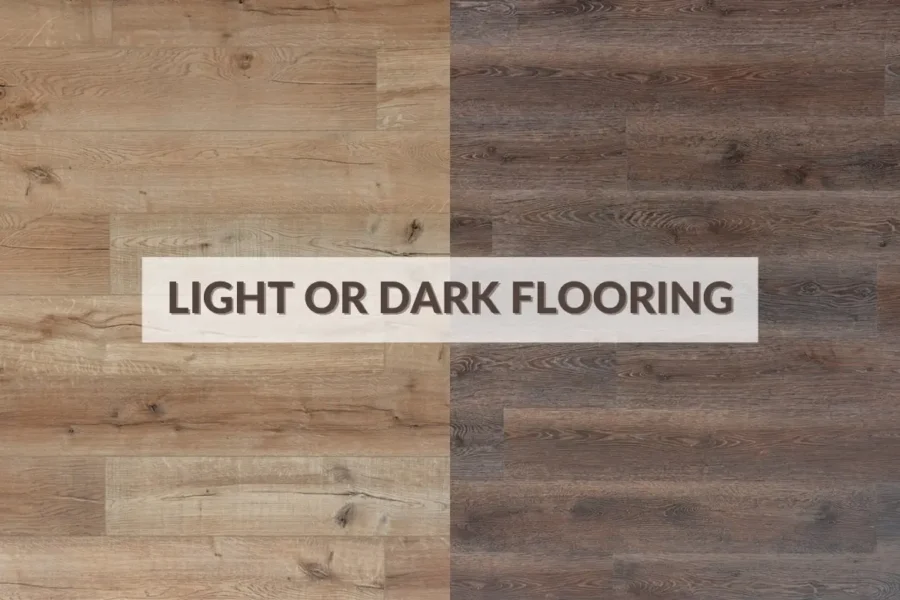
Choosing flooring isn’t just about colour. It’s about atmosphere. Scale. How a room feels when you walk into it at eight in the morning, and how it holds up under warm lighting at night.
Interior designers know this instinctively. Before they settle on light or dark flooring, they pause and look at the whole picture. The room, the light, the lifestyle. And only then do they decide.
Here’s what usually runs through their minds.
Light Flooring: Space, Calm, and Flexibility
Light flooring has a way of opening a room up. Even before furniture goes in, it makes walls feel further apart and ceilings a little higher.
Designers often lean towards lighter tones when:
- Natural light is limited
- Rooms are compact or awkwardly shaped
- A clean, modern base is needed
Pale oak, soft ash and washed finishes reflect light instead of absorbing it. This helps spaces feel airy and relaxed, especially in flats, terraces, or north-facing homes.
There’s also versatility.
Light floors work with almost anything. Neutral schemes, bold accents, Scandinavian minimalism, even layered textures and colour trends that may change over time.
But they’re not chosen blindly.
Designers will consider undertones carefully. A floor that’s too cool can feel flat. Too warm, and it may clash with walls or cabinetry. The goal is balance, not brightness for the sake of it.
Dark Flooring: Depth, Drama, and Definition
Dark flooring makes a statement. Quietly or boldly, depending on how it’s used.
Interior designers tend to choose darker floors when they want:
- Visual weight and grounding
- Contrast against light walls or furniture
- A sense of luxury or formality
Deep walnut, smoked oak, or rich brown tones add instant character. In larger rooms, they help anchor the space and prevent it from feeling empty or echoing.
In open-plan layouts, dark flooring can also define zones without needing walls. Living areas feel intentional. Dining spaces feel composed.
That said, designers are cautious.
Dark floors absorb light. In smaller or poorly lit rooms, they can feel heavy if not handled properly. That’s where clever lighting, lighter walls, and reflective surfaces come in.
It’s not about avoiding dark flooring. It’s about supporting it.
Light vs Dark: It’s Rarely Just One Factor
Interior designers don’t ask, “Which is better?”
They ask, “Which works here?”
A few key considerations always come into play:
- Natural light: South-facing rooms can handle darker tones with ease. North-facing spaces often benefit from lighter floors that lift the room.
- Room size and layout: Smaller rooms usually feel larger with lighter flooring. Bigger spaces can take on darker tones without feeling closed in.
- Lifestyle: Busy households may prefer mid-tones that hide dust and wear better than very light or very dark extremes.
- Furniture and finishes: Designers look at everything together. Flooring doesn’t exist in isolation. It needs to complement cabinetry, worktops, upholstery and even metal finishes.
- Longevity: Trends matter, but not as much as living with the floor for years. Designers often choose tones that will age gracefully rather than chase what’s popular this season.
The Middle Ground Designers Love
Interestingly, many designers land somewhere in between.
Warm mid-oaks. Natural tones with subtle grain, often found in engineered oak flooring, create floors that aren’t too pale, but not overly dark either. These choices give character without dominating the space, and flexibility without feeling bland.
They’re quiet. Confident. Timeless.
So, Which Should You Choose?
If your home feels small or lacks light, lighter flooring can lift it instantly.
If your space is generous and you want depth, darker flooring can add richness and drama.
But the real answer is simpler than that.
The best flooring choice is the one that suits your space, your light, and the way you live in it.
Interior designers don’t follow rules.
They read rooms.
And when you do the same, the decision between light and dark becomes much clearer.