
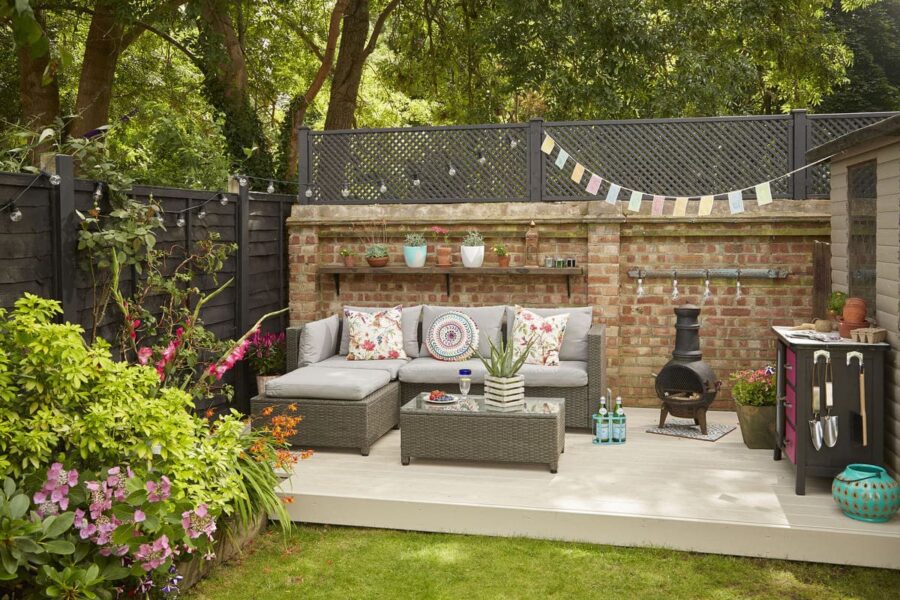
A garden plays a large part in how a home looks and feels. When paving, planting, furniture and decorative pieces seem unrelated, even a generous outdoor space can appear unfinished. Older materials and an unclear layout can also make the garden feel disconnected from the style of the house.
Giving the space a fresh look does not have to mean starting again. A few carefully chosen changes can create a garden that feels calmer, smarter and easier to enjoy. The key is to focus on how each element works alongside the others, rather than filling the space with extra features.
Begin with a Clear and Cohesive Layout
Before choosing furniture or decorative pieces, think about how the garden will be used. Some households may want a dining area for summer meals, while others might prefer comfortable seating, generous planting or an open area where children can play.
Dividing the garden according to these needs can give it a clearer sense of purpose. Changes in flooring, planting or furniture placement can subtly mark separate zones without the need for walls or large structures.
A limited selection of colours and materials can also help different areas feel connected. For example, timber furniture could be paired with wooden planters, while dark metal chairs could sit alongside pots or lighting in similar shades. Repeating selected finishes across the garden creates consistency without making the design feel overly formal.
Choose Surfaces That Suit Your Lifestyle
Garden surfaces affect both appearance and day-to-day use, so think about where each material will sit and how much care it may require. Paving can work well around dining furniture, while gravel can bring texture to paths and smaller seating areas. Natural lawns offer a familiar appearance but require regular mowing and seasonal care.
For households seeking a consistently neat lawn-style finish with different upkeep requirements, fake grass may be another option to compare with turf, paving, gravel and other surface choices. The right choice will depend on the garden, its intended use and the homeowner’s preferences.
Using too many surface materials can make a compact garden look fragmented. Restricting the design to two or three complementary finishes will usually produce a calmer result.
Use Planting to Add Colour and Character
Plants can soften harder surfaces and bring personality to a garden. Rather than buying plants individually without a plan, choose varieties that suit the available sunlight, soil conditions and amount of care you are prepared to provide.
Think about height as well as colour. Taller plants can provide structure towards the rear of beds, while lower varieties can soften borders and edges. Mixing leaf shapes and textures creates interest even when fewer flowers are in bloom.
Containers are particularly useful where space is limited. A small group of pots in complementary colours can add greenery to a patio or seating area without requiring major changes. Raised beds offer another manageable way to introduce planting while creating clear boundaries.
Repeating a few plant varieties across several areas can help the whole garden feel connected. This approach can be especially effective in smaller spaces, where too many unrelated colours and forms may make the design appear busy.
Finish the Space Like an Outdoor Room
Once the main layout, surfaces and planting are established, smaller details can bring the design together. Choose furniture that suits the proportions of the garden and leave enough room for people to move around comfortably.
Cushions, outdoor rugs and coordinated pots can introduce colour without permanent alterations. Suitable exterior lighting can also change the atmosphere after sunset. Wall lights, lanterns or subtle path lighting can highlight seating and planting while providing practical illumination.
Look at the rooms nearest the garden for further inspiration. Repeating a colour used in the kitchen, dining room or living area can create a visual connection between inside and outside. Similar materials, such as timber, stone shades or dark metal finishes, can have the same effect.
A stylish garden makeover often comes from restraint rather than quantity. A clear layout, practical surfaces, well-planned planting and a small collection of coordinated finishing touches can make the space feel polished without turning the project into a major redesign.
