
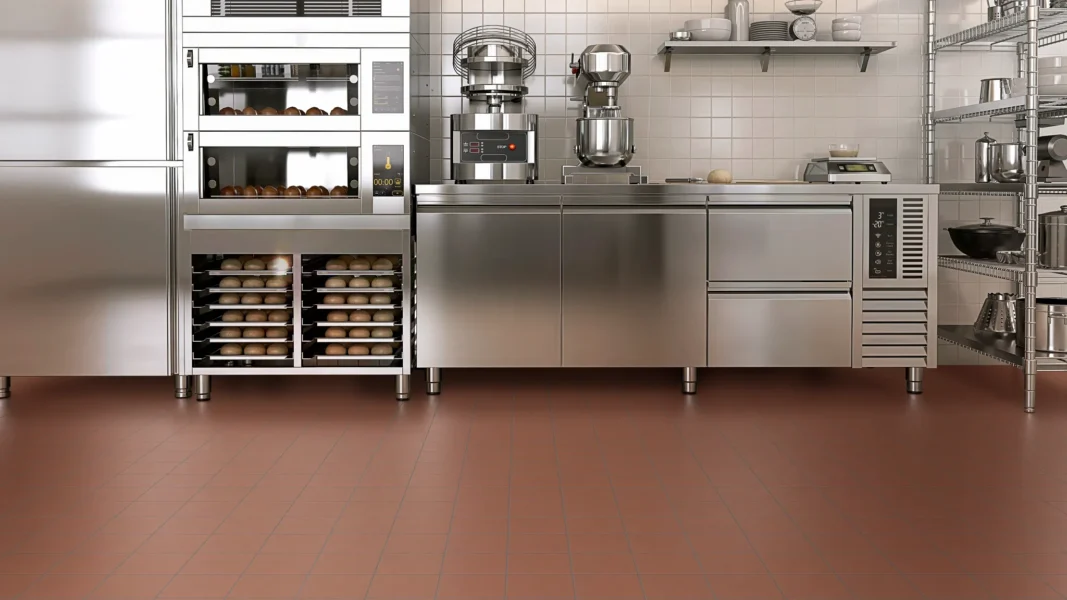
Walk into a commercial kitchen built in the last few years and you’ll notice something. The walls aren’t tiled anymore. Ceramic tiles were the standard for decades, but plenty of Leeds kitchens are now ripping them out and switching to smooth plastic panels instead. The reason comes down to one thing most people never think about until it causes a problem, grout.
The Grout Problem Nobody Talks About
Every tiled wall has grout lines running between the tiles, and grout is porous. In a kitchen full of grease, steam and food splatter, those lines soak up everything. Over time they discolour, go patchy and start harbouring bacteria deep inside the surface where a cloth can’t reach.
This is the bit that catches kitchens out during a food hygiene inspection. The inspecting officer, usually a food safety officer or environmental health officer from the council, will often check along the grout lines and find buildup that looks grim, even when the tiles themselves seem clean.
Wall and surface condition falls under the structure element of the inspection, alongside how hygienically food is handled and how well the business manages food safety. Mould, grease and trapped dirt all sit in those joints, and re-grouting is a messy job that most operators put off for far too long.
You can scrub grout as hard as you like, but you’ll never get it back to a properly clean state once it’s stained. That’s a real issue when your hygiene rating is on public display, both online and on the sticker at your door, and customers check it before they book a table.
What’s Replacing the Tiles?
The answer for most kitchens is hygienic wall cladding, a PVC panel that bonds straight onto the wall, available in a range of colours and finishes to match the rest of the kitchen. There are no joints to trap dirt and no grout to discolour. You get one smooth, sealed surface that wipes clean in seconds with standard cleaning products.
The panels are impervious, so grease and water sit on top instead of soaking in. A quick wipe down at the end of service does the job, and there’s nowhere for bacteria to hide. For a busy kitchen team, that saves a surprising amount of cleaning time over a week.
Most quality cladding is also Class 1 fire rated and food-contact approved, which matters in a room full of hot oil and heavy cleaning. It’s worth noting that PVC panels should be kept away from direct heat sources like grills and fryers, so when you’re choosing panels it’s worth checking the fire rating and making sure the product suits food preparation areas.
How the Cost Stacks Up Against Tiling
People assume tiling is the cheaper option because the tiles themselves don’t cost much. The real expense is the labour. Tiling is slow, skilled work, and then you have to wait for the adhesive and grout to dry before the kitchen can reopen.
Cladding goes up far quicker. The sheets are large, often around 2400 by 1200mm, they bond directly to the wall, and there’s no drying time for grout. When you add up the labour and the days of lost trading you avoid, cladding often works out cheaper overall. Here’s how the two compare in practice:
- Installation speed: cladding panels cover large areas fast, while tiling is slow and piece by piece
- Drying time: no grout means a kitchen can be back in use much sooner
- Cleaning: a smooth surface wipes down in seconds instead of scrubbing joints
- Long-term upkeep: no grout lines to clean out and periodically re-do
Final Considerations
If you run a food business, your hygiene score affects how many customers walk through the door. Tiles and grout make that score harder to protect, and they cost you time every single day in cleaning.
More kitchens in Leeds are clocking this and making the switch, and a fair few are picking up a top five-star rating at inspection as a result. If your tiles are looking tired or your grout is past saving, it’s well worth pricing up cladding before you re-tile out of habit.