
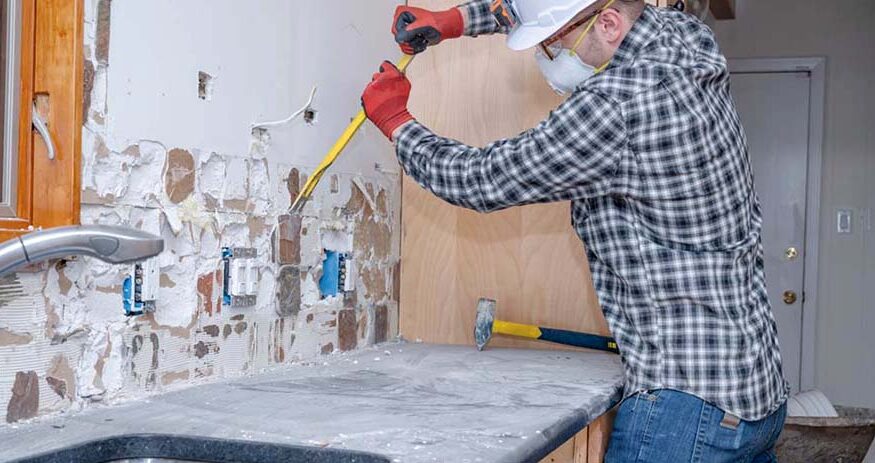
Many remodeling mistakes happen long before the first contractor arrives. When the project is finished, everything may look perfect: fresh walls, new tile, updated lighting, and a beautiful interior.
Then everyday life begins.
A few months later, kitchen cabinets may interfere with the dishwasher, bathroom storage may be insufficient, flooring may require more maintenance than expected, and an open layout may turn out to be noisier than anticipated. Saving a few hundred dollars can also lead to paying for the same work again later.
Most remodeling regrets are not caused by one major mistake. They come from several small decisions that seemed reasonable at the time.
“We’ll figure that out later.” “There should be enough space.”
The problem is that once the renovation is complete, many compromises become expensive to correct.
A successful remodel should begin not with choosing finishes, but with understanding which problems in the home actually need to be solved.
Starting With Appearance Instead of the Reason for Remodeling
Many homeowners start with:
“What kind of design do we want?”
A more useful question is:
“What is not working right now?”
That difference can determine whether a renovation improves daily life or simply makes a space look newer.
Imagine a kitchen remodel. Homeowners may immediately choose cabinets, countertops, and a backsplash while ignoring the real problems: limited counter space, poor lighting, crowded areas, or insufficient storage.
If those issues are not identified early, the result may be a beautiful kitchen that is still inconvenient to use.
The same happens in other rooms. A bathroom may need better ventilation rather than new tile. Removing a living room wall may create more open space while eliminating useful areas for furniture or lighting.
Before starting a project, it helps to identify everyday frustrations:
- Where does clutter build up?
- Which areas lack enough light?
- What requires repeated repairs?
- Which parts of the home are inconvenient to use?
These observations are often more useful than choosing design inspiration first.
“Let’s Make It Look Good and Deal With the Rest Later”
One of the most expensive mistakes is focusing on appearance while ignoring what will be hidden after the renovation.
Surface preparation, wall conditions, electrical wiring, plumbing, ventilation, waterproofing, and leveling may not be visible after the project is finished, but they often determine how long the results will last.
New tile will not fix an uneven base. Expensive flooring may fail if the surface beneath it was poorly prepared. Paint will not solve an ongoing moisture problem.
Poor preparation may not become obvious immediately. Months later, cracks can appear, finishes may begin to separate, and completed surfaces may need to be opened and rebuilt.
That is how an attempt to save money can turn into paying twice.
Older homes require particular attention because walls and floors may hide outdated materials, previous repairs, or damage.
Before choosing final finishes, it is worth understanding the actual condition of the space. In many cases, inspection and proper preparation cost less than later searching for an emergency handyman Chicago because of a preventable problem.
The Lowest Price Often Leaves Something Out
Another common mistake is focusing only on the final price.
A $4,000 estimate may seem better than a $5,200 quote. But the cheaper option may exclude demolition, preparation, materials, debris removal, or finishing work.
In that case, the homeowner is not comparing the same project.
That is why the better question is not only:
“How much will it cost?”
But also:
“Exactly what is included?”
A good estimate should clearly explain what the homeowner is paying for.
Urgent repairs can also lead to rushed decisions. When a leak or sudden damage appears, homeowners may search for an emergency handyman Chicago service to prevent further problems.
Speed may be necessary, but fixing visible damage is not always the same as fixing its cause. If the source of a leak or damage remains, the problem can return.
The Main Lesson
One of the biggest remodeling mistakes is starting with:
“What do we want to change?”
A better question is:
“What is not working right now, and why?”
That simple change in thinking can improve the entire remodeling process.
It helps homeowners focus on real problems, spend their budget more effectively, and avoid creating a home that looks beautiful but is no more comfortable to live in than before.
The Decisions That Start to Annoy Homeowners After the Remodel Is Finished
Some remodeling mistakes are obvious. The project goes over budget, something is finished incorrectly, or the final result does not meet expectations.
Other mistakes take time to appear.
A renovated space may look perfect at first, but everyday life gradually reveals small problems. The countertop constantly shows stains. Open shelves collect dust. There is not enough storage. The lighting looks good but is uncomfortable for reading or working.
None of these problems may be serious enough to start another renovation. But living with them every day eventually turns them into regrets.
Choosing Materials: The First Beautiful Week Versus the Next Ten Years
One of the most common mistakes is choosing materials simply because they look great in a showroom.
But a showroom is not a home.
A flooring sample cannot show how it will handle muddy shoes, pets, children, furniture, sunlight, and years of daily use. A countertop may look perfect in a display kitchen but require constant cleaning at home.
Before choosing a material, ask:
- How often will it be used?
- How easily can it be scratched or stained?
- Does it require special care?
- How difficult is it to repair?
- Will maintaining it become a daily chore?
These questions matter most in high-use areas.
A beautiful material is not automatically a practical one. The best choice is often not the one that looks most impressive on installation day, but the one that still looks good after years of normal life.
The Trend Looked Great Online, but Living With It Was Different
Trends are not necessarily bad. The problem begins when a temporary design idea becomes a permanent and expensive part of the home.
Looking at an interior online for a few seconds and living with it every day are completely different experiences.
A dark surface may look dramatic but show every fingerprint and speck of dust. Open shelves may look modern but leave everyday items constantly on display. An open floor plan may feel spacious until several people start working, cooking, or watching TV at the same time.
Instead of asking:
“Is this design popular right now?”
It may be better to ask:
“Will this still work for us in five or ten years?”
Permanent elements such as flooring, built-in furniture, and tile deserve more careful consideration. Smaller details like paint, hardware, and lighting are easier to change later.
“We Thought There Would Be Enough Storage”
Storage is rarely exciting, but it has a major impact on everyday life.
Homeowners usually plan space for obvious things: dishes, clothes, towels, and toiletries.
But what about cleaning equipment, bags, tools, chargers, seasonal items, pet supplies, and children’s belongings?
These items often have no obvious place and eventually end up on countertops, chairs, and floors.
A renovated home can look perfectly organized on the first day simply because everything has not yet been moved back.
The real test comes later.
Before approving the design, look at what currently creates clutter and ask:
“Where are all these things supposed to go?”
Good storage is not about having more cabinets. It is about having storage in the places where people actually need it.
The Details That Seem Too Small to Plan
Some of the most annoying remodeling regrets come from details that seemed too minor to discuss.
Where are the outlets?
Where will phones be charged?
Can the door open fully?
Where will cleaning supplies be stored?
Where do keys and bags go after entering the house?
These questions may seem insignificant compared to choosing flooring or countertops. But they affect everyday life far more often.
Before construction begins, mentally walk through the room.
Imagine arriving home, cooking dinner, charging your phone, opening cabinets, cleaning, or using the bathroom.
Ordinary moments often reveal problems that are invisible on a floor plan.
A More Practical Approach to Final Decisions
Before approving a remodeling plan, ask three questions:
How does it look?
How does it work?
What will it require to maintain?
A material may look luxurious but require constant care. A layout may look efficient on paper but become uncomfortable when several people use the room.
It is impossible to predict everything. But homeowners should pay extra attention to decisions that will be expensive to change later.
If something can be replaced easily, experimenting may make sense.
If changing it requires removing tile, opening walls, moving plumbing, or replacing expensive materials, it deserves more thought.
The best renovations are not necessarily the most impressive ones.
They are the ones where the space simply works.
That may be the clearest sign of a successful remodel: homeowners stop thinking about what they changed because they rarely have to think about what should have been done differently.
How to Make Better Remodeling Decisions Before It Is Too Late
By the time many homeowners realize that a remodeling decision was not the right one, the project is already finished.
The tile has been installed, the cabinets are mounted, the walls are painted, and the furniture is back in place. Changing something at that point may mean spending more money, dealing with another round of construction, and sometimes removing work completed only months earlier.
That is why the final stage of planning deserves more attention than it usually gets.
A successful remodeling project does not require predicting every possible problem. Older homes can hide water damage, outdated wiring, or structural issues, while materials may become unavailable or conditions may change once demolition begins.
The goal is not perfection. It is reducing the number of expensive problems that could have been avoided by slowing down and asking better questions before work starts.
Not Every Decision Deserves the Same Amount of Time
Homeowners often treat every remodeling decision as equally important. But choosing between two paint colors is not the same as deciding where plumbing or electrical outlets should be located.
Some choices are relatively easy to change later:
- Paint colors
- Light fixtures
- Cabinet hardware
- Curtains
- Decorative details
Others can be expensive and disruptive to change:
- Plumbing locations
- Electrical systems and outlet placement
- Wall layouts
- Flooring
- Waterproofing
- Built-in storage
- Tile
The second group deserves more time.
Homeowners sometimes spend days comparing small decorative details while making major layout decisions in a single conversation. Before approving an important choice, ask:
“If I change my mind in two years, how difficult will this be to fix?”
If the answer is very difficult or very expensive, slow down. Permanent decisions deserve more attention than details that can be replaced in an afternoon.
A Realistic Remodeling Plan Needs Room for Reality
Many remodeling problems begin because the original budget leaves no room for surprises.
The estimate covers demolition, materials, labor, and installation. Everything looks manageable until something hidden behind a wall changes the project.
There may be water damage, old wiring, an uneven subfloor, or plumbing that needs additional work.
This does not always mean someone planned poorly. Renovation involves working with an existing building, and existing buildings can hide problems.
The real issue is having no financial flexibility.
When every available dollar has already been assigned, homeowners may start looking for the cheapest materials, postpone necessary repairs, or remove important parts of the project.
Unfortunately, the first things people often cut are the least visible ones: preparation, repairs, waterproofing, quality materials, or professional labor.
A realistic budget does not eliminate surprises, but it gives homeowners more options and reduces the pressure to make rushed decisions.
Ask for an Explanation, Not Just a Recommendation
Homeowners do not need to become construction experts before starting a project. But they should understand the major decisions being made inside their homes.
There is a difference between hearing:
“This is the best option.”
And hearing:
“This is the best option because the current wall has moisture damage, the area needs additional protection, and another material could create problems later.”
The second explanation provides context.
A good professional should be able to explain what they recommend and why. Homeowners should feel comfortable asking:
- Why is this repair necessary?
- What problem will it solve?
- What could happen if we leave it as it is?
- Are there other options?
- Is there anything we should inspect before covering this area?
These questions can help separate necessary work from optional upgrades.
When researching repair options or planning future improvements, homeowners can also review practical information about home repair and maintenance services at https://fixprosolution.com.
The goal is not to find someone who agrees with every idea. Sometimes the most useful advice is hearing that the original plan may create problems later.
Do Not Wait Until a Small Problem Becomes an Emergency
One of the most expensive decisions homeowners can make is simply deciding to wait.
A small stain appears on the ceiling. A cabinet door starts sticking. A tile becomes loose. The bathroom fan suddenly sounds louder than usual.
None of these problems may seem urgent, so they get postponed.
Not every small issue will become a major repair. But some problems grow more expensive precisely because nobody looked at them when they were still small.
A loose tile can allow moisture behind the surface. A minor leak can gradually damage surrounding materials. A small crack may indicate movement that should at least be monitored.
The point is not to panic. It is to avoid assuming that a problem will disappear if it is ignored.
When immediate attention is genuinely needed, homeowners may look for a 24 hour handyman Chicago service to limit damage and make the property safe. But whenever possible, it is better to deal with issues before they become emergencies.
A Remodel Should Make Everyday Life Easier
Before approving the final plan, it helps to ask:
“What are we most likely to regret not thinking about right now?”
Focus on the decisions that will affect daily life.
Will the layout work when everyone is home? Do the materials match the amount of use they will receive? Is there enough storage? Have expensive, difficult-to-change decisions been considered carefully? Does the budget have room for unexpected work?
A renovation is not successful simply because everything looks new.
It is successful when the home works better than it did before.
That may mean better lighting, less clutter, materials that require less unnecessary maintenance, a layout that works when several people use the space, and repairs that address the actual cause of a problem.
The best remodeling decisions are often not the most exciting ones. They are the decisions that prevent future frustration.
Years after the project is finished, homeowners may not remember the exact paint color they debated for hours. But they will remember whether the kitchen became easier to use, whether the bathroom finally had enough storage, and whether the renovation made everyday life better.
That is what a successful remodel should do: not simply create a home that looks good on the day the work is completed, but create a space that continues to work well long after the renovation is over.
