
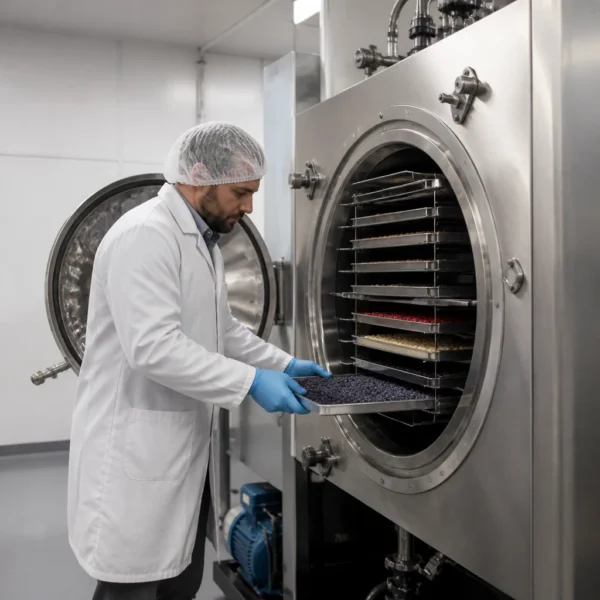
Freeze drying, or lyophilization, has long been a cornerstone technology across pharmaceuticals, food processing, biotechnology, and specialty chemical manufacturing. As industries continue to evolve and operational budgets tighten, the decision to acquire pre-owned process equipment has become not just acceptable, but strategically sound. A used freeze dryer, when sourced from a reputable supplier and properly evaluated, can deliver the same performance benchmarks as new equipment at a fraction of the capital expenditure. Understanding what drives this market, and how to navigate it intelligently, is essential for any plant manager or procurement specialist looking to optimize their operation.
The Science Behind Freeze Drying and Why Equipment Quality Matters
Freeze drying works by first freezing a product and then reducing the surrounding pressure to allow the frozen water within the material to sublimate directly from solid to vapor. This process preserves the structural integrity, potency, and shelf life of sensitive materials far better than conventional drying methods. Because the process involves precise temperature control, vacuum systems, and condenser management, the mechanical and electronic components of a freeze dryer must meet exacting standards. Even in a used unit, the core systems — refrigeration circuits, vacuum pumps, shelf heating elements, and control interfaces — must be fully functional and calibrated.
Key Components to Evaluate Before Purchase
When assessing any pre-owned lyophilization unit, buyers should prioritize a thorough inspection of the condenser coils, door seals, and vacuum integrity. Refrigeration compressors are among the most expensive components to replace, so verifying their operational hours and maintenance history is critical. Control systems, particularly those running older software platforms, may require upgrades to meet current GMP or FDA compliance standards. Shelf uniformity — the ability of each shelf to maintain consistent temperature across its entire surface — is another factor that directly impacts product quality and batch consistency.
Cost Advantages and Capital Efficiency
New industrial freeze dryers can cost anywhere from several hundred thousand to several million dollars depending on capacity and configuration. For startups, contract manufacturers, or facilities scaling up production, this capital outlay can be prohibitive. Purchasing a refurbished or used unit from a trusted source can reduce acquisition costs by 40 to 70 percent, freeing up budget for facility upgrades, staffing, or raw material inventory. The key is ensuring that the cost savings are not offset by hidden repair needs or compliance gaps that emerge after installation.
Total Cost of Ownership: Looking Beyond the Sticker Price
Savvy procurement teams evaluate total cost of ownership rather than purchase price alone. This includes energy consumption, spare parts availability, service contract costs, and expected operational lifespan. Older freeze dryers may consume more electricity due to less efficient refrigeration systems, which can erode the initial savings over time. Conversely, well-maintained units from reputable manufacturers often have robust spare parts ecosystems and extensive service documentation, making long-term support straightforward and cost-effective.
Industrial Applications Driving Demand for Pre-Owned Lyophilization Equipment
The demand for used freeze dryers spans a wide range of industries. In pharmaceutical manufacturing, lyophilization is used to stabilize injectable drugs, vaccines, and biologics. Food manufacturers use the technology to produce premium instant coffee, fruits, and ready-to-eat meals with extended shelf lives. The nutraceutical and supplement industry has also embraced freeze drying for preserving the bioavailability of vitamins, probiotics, and botanical extracts. As these sectors grow, particularly in emerging markets and among smaller contract manufacturers, the secondary market for industrial freeze dryers continues to expand.
Regulatory Considerations for Used Equipment in Regulated Industries
For pharmaceutical and food-grade applications, regulatory compliance is non-negotiable. Used equipment must be thoroughly cleaned, validated, and documented before it can be placed into a regulated production environment. Installation Qualification (IQ), Operational Qualification (OQ), and Performance Qualification (PQ) protocols must be completed regardless of whether the equipment is new or pre-owned. Buyers should request all available documentation from the previous owner, including maintenance logs, calibration records, and any prior validation packages. This due diligence not only protects product quality but also safeguards the facility during regulatory audits.
Supporting Systems That Work Alongside Freeze Dryers
A freeze dryer does not operate in isolation. It is part of a broader process train that may include upstream mixing and formulation equipment, filling lines, and downstream packaging systems. Equally important are the utility systems that support lyophilization operations — including refrigeration, vacuum, and water treatment infrastructure. For facilities managing complex fluid handling requirements, understanding how ancillary equipment integrates with the freeze dryer is essential. Industry resources covering topics such as oxygen reactor feed pump systems and industrial fluid management provide valuable context for engineers designing or upgrading process lines that include lyophilization stages.
International Process Plants: A Trusted Source for Pre-Owned Freeze Dryers
When sourcing pre-owned lyophilization equipment, the reputation and expertise of the supplier matters enormously. International Process Plants has built a strong track record in the industrial equipment resale market, offering thoroughly inspected and documented process equipment across a wide range of categories. Their inventory is drawn from decommissioned facilities, plant closures, and equipment upgrades, ensuring a diverse selection of units from leading manufacturers. Buyers benefit from detailed equipment listings, transparent condition reporting, and the ability to inspect units prior to purchase. For any facility looking to acquire a used freeze dryer with confidence, International Process Plants offers both the inventory depth and the industry knowledge to support a well-informed purchasing decision.
Practical Tips for a Successful Equipment Acquisition
Before committing to a purchase, facilities should engage their engineering and quality assurance teams early in the evaluation process. A site visit to inspect the equipment in person — or a third-party inspection if the unit is located remotely — is strongly recommended. Negotiate for a functional test run where possible, and clarify the terms of any warranty or return policy. Factor in the cost of decommissioning, transportation, rigging, and reinstallation, as these logistics can represent a significant portion of the total project budget. Engaging a specialist millwright or equipment installation contractor familiar with lyophilization systems will help ensure a smooth transition from acquisition to production-ready status.
Planning for Long-Term Success After Installation
Once the equipment is installed and validated, establishing a preventive maintenance schedule is essential for maximizing its operational lifespan. Regular inspection of vacuum seals, refrigerant levels, and shelf heating circuits will prevent costly unplanned downtime. Operators should be trained not only on day-to-day use but also on early fault detection and escalation procedures. For facilities that are new to lyophilization, connecting with industry peers and professional networks can provide ongoing support. Resources like transitioning from smaller-scale operations to larger industrial environments offer practical perspectives on scaling up processes and managing the operational complexities that come with growth.
Conclusion
The market for used freeze dryers is robust, well-supported, and increasingly sophisticated. As more industries recognize the value of lyophilization technology and as capital efficiency becomes a greater priority, pre-owned equipment will continue to play a central role in how facilities expand and modernize their operations. With careful evaluation, the right supplier relationship, and a disciplined approach to validation and maintenance, a used freeze dryer can be one of the most cost-effective investments a processing facility makes. The key lies not in avoiding the secondary market, but in navigating it with the expertise and diligence it deserves.