
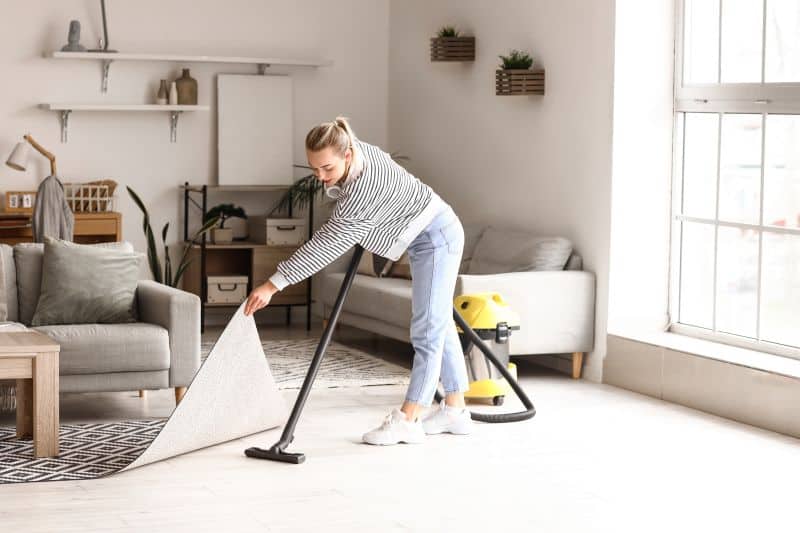
The air inside a home takes shape from countless small factors: how often surfaces get cleaned, how much moisture builds up in bathrooms and kitchens, how well a space breathes, and what materials make up the furniture, flooring, and household products around you. Improving indoor air quality is rarely about one single fix. A vacuum can certainly help pull settled dust and particles out of carpets and upholstered furniture, and that’s a meaningful part of any cleaning routine, but it’s only one piece of a much larger picture—one that also involves controlling pollutant sources, keeping ventilation in working order, and using filtration where it actually makes sense. Setting realistic expectations matters here: consistent cleaning habits can cut down exposure to dust, allergens, and certain particles, but they won’t eliminate every airborne contaminant or fix underlying moisture and ventilation problems on their own.
What Affects Indoor Air Quality at Home
Indoor air quality is shaped by a mix of particles and compounds. Settled dust and airborne particles build up from everyday activity, while pet dander and pollen drift in through open doors, windows, and foot traffic. Mold and other biological contaminants tend to develop in damp, poorly ventilated corners, and combustion by-products from cooking, heating, or smoking add yet another layer of pollutants. Certain household products and materials can also release volatile compounds over time, even when nothing seems obviously wrong.
These pollutants typically enter or form indoors through outdoor air infiltration, cooking and heating activities, leaks or damp spots, and poorly maintained fabrics, carpets, or ventilation systems. It’s worth remembering that pollutant levels aren’t uniform throughout a home—they vary by room, activity level, building condition, and individual sensitivity. It also helps to distinguish between pollutants that settle on surfaces, like dust and crumbs, and those that linger in the air, such as smoke or fine particulates, since each calls for a different control approach.
The Three-Part Strategy: Source Control, Ventilation, and Filtration
A practical approach to indoor air quality generally rests on three complementary actions:
- Source control to reduce or eliminate pollutants at their origin
- Ventilation to dilute indoor air with appropriate outdoor air
- Filtration to capture some airborne particles as a supporting measure
Control the source first
Addressing the source of a pollutant is usually far more effective than trying to clean or filter it away after the fact. This might mean repairing leaks, tackling excess moisture, avoiding indoor smoking, and safely cleaning small patches of visible mold—while calling in professional help for anything more extensive. Storing household chemicals according to label instructions also cuts down on unnecessary exposure. No amount of regular cleaning can fully make up for an unresolved dampness or ventilation problem.
Improve ventilation safely
Bringing in outdoor air, when conditions allow, helps dilute whatever pollutants have accumulated indoors. Kitchen and bathroom exhaust fans that vent outside are especially useful during and after activities that generate moisture or odors. That said, windows shouldn’t be opened when outdoor air quality, smoke, extreme weather, or security concerns make it unwise. Always follow manufacturer instructions for appliances and cleaning products that may release pollutants indoors.
Use filtration as a supporting measure
Filtration can reduce some airborne particles, but it doesn’t replace source control or ventilation. Portable air cleaners, HVAC filters, and the filters built into cleaning equipment all serve different purposes and come with their own limitations. No single filter type eliminates all indoor pollutants. It’s worth checking filter specifications, replacement intervals, and compatibility through manufacturer documentation and recognized public-health guidance rather than guessing.
Key takeaway: The most reliable approach combines source control, appropriate ventilation, regular surface cleaning, and correctly maintained filtration—not reliance on any single method.
A Practical Cleaning Routine for Lower Dust Exposure
Cleaning from high surfaces to low surfaces—starting with shelves, ledges, and ceiling fans before working down to the floors—helps keep dislodged dust from resettling on areas you’ve already cleaned. Damp microfiber cloths generally outperform dry dusting because they trap particles instead of scattering them back into the air.
Some areas deserve extra attention simply because they collect more dust: carpets and rugs, upholstered furniture, bedding, window coverings, entryways, and anywhere pets like to settle in. How often you clean should reflect your household’s actual conditions—pets, kids, allergies, recent renovation work, flooring type—with weekly cleaning serving as a reasonable starting point rather than a hard rule.
Equipment maintenance matters just as much as the cleaning itself. Emptying dust containers, replacing bags as directed, and keeping filters clear all affect how well a vacuum performs. A household that notices more dust circulating after cleaning may find the culprit is a neglected filter or a blocked air pathway rather than the cleaning method itself.
Reducing Dust Mites and Common Allergens
Dust mites thrive in warm, humid conditions, and their allergens can linger long after the mites themselves are gone. Practical controls include washing bedding on the hottest setting the fabric can tolerate, keeping indoor humidity management around or below 50% where practical, using damp dusting, and cleaning upholstered furniture on a routine basis. Allergen-resistant bedding covers may help in some households. Surface cleaning reduces exposure but won’t remove every allergen, so anyone dealing with persistent allergy or asthma symptoms should consult a qualified healthcare professional rather than relying solely on cleaning adjustments.
Room-by-Room Priorities
Bedroom: Wash bedding regularly, cut back on unnecessary fabric surfaces, and don’t overlook mattresses, pillows, and under-bed areas—while still maintaining good airflow.
Kitchen and bathroom: Run exhaust fans during and after moisture-generating activities, clean up grease and spills promptly, and keep an eye out for leaks or condensation.
Living areas: Clean upholstery, rugs, and floors according to their specific care instructions, and keep pet resting areas tidy with appropriate grooming routines.
Common Mistakes That Reduce Cleaning Effectiveness
Dry dusting, cleaning without adequate ventilation, ignoring moisture sources, using damaged filters, and assuming one method can handle smoke, mold, and chemical pollutants equally well all work against progress. Overusing cleaning products beyond label recommendations can introduce new problems rather than solve existing ones.
A Cleaner Home Begins with the Whole Environment
Healthier indoor air comes down to addressing pollutant sources, managing moisture, ventilating appropriately, and cleaning consistently. Tools like a vacuum support this routine, but they aren’t complete solutions on their own. A reasonable next step is to pinpoint one source of dust or moisture in your home, adjust your cleaning sequence accordingly, and build a maintenance schedule that actually fits your household’s needs. Consistent, modest improvements tend to produce more lasting results than occasional, intensive efforts.
