
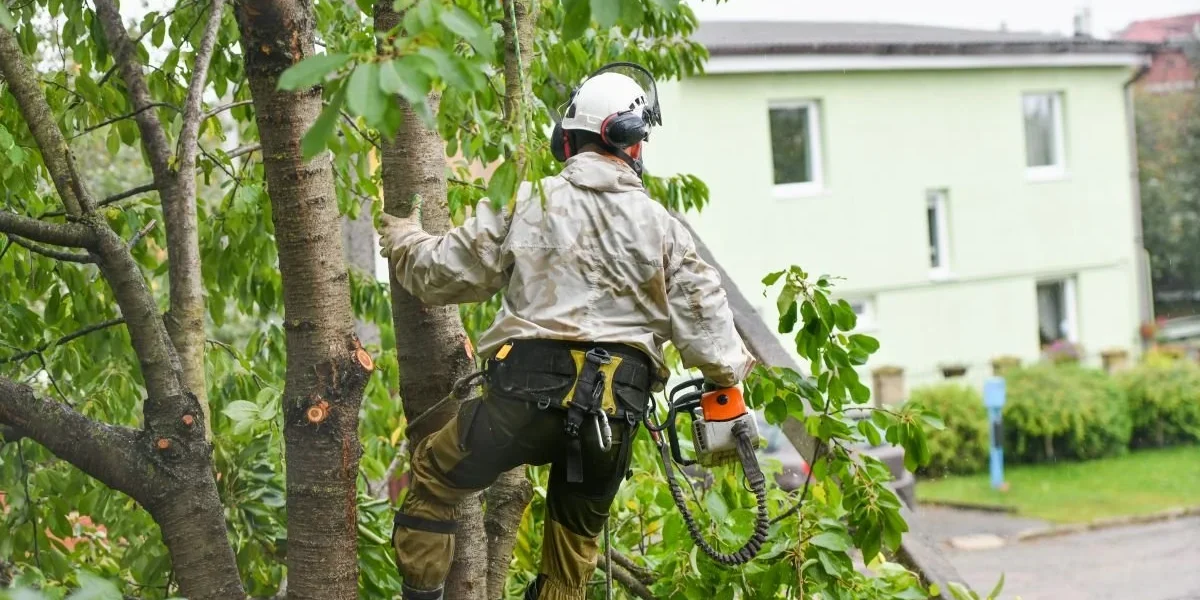
Tree work rarely happens on the day you call. The full job runs from inspection to cleanup through permits and weather windows, and that sequence decides the timeline more than the cutting itself. Planning ahead leaves room to assess whether pruning, monitoring or removal best suits the tree and the property, without treating an urgent hazard as a routine booking.
Know the signs that mean book now, not later
Some tree defects give visible warning, although failure can also occur without an obvious sign. Dead branches hung up in the canopy and fresh deadwood on the ground point to decline that won’t reverse on its own. Canopy dieback that starts at the tips and moves inward is another flag, especially in eucalyptus and poinciana that normally hold dense crowns. A trunk that has developed a new lean needs fast attention. Lifted soil or cracking around the root plate means the anchor has moved.
Fungal fruiting bodies at the base warrant assessment because some can indicate decay. A new lean, root-plate movement, or hanging limb calls for keeping people clear and seeking urgent professional advice, not approaching the tree for a closer look.
The arborist will note targets under the canopy such as driveways and play areas. That record shows what could be hit if a limb fails, helping determine whether monitoring is enough or work must be booked within weeks.
A certified arborist is trained to read those defects systematically. The qualification in Australia is usually AQF Level 3 or Level 5 in arboriculture, often backed by ISA accreditation or TRAQ for risk work. That training separates a qualified arborist from an unlicensed cutter who only prices the cut. The inspection follows a method called Visual Tree Assessment. It pairs visible signs (lean, wounds, decay and crown shape) with knowledge of how each species tends to fail. Don’t guess from the ground.
Routine pruning runs on a different clock than storm damage
Routine care has a slow rhythm. A healthy young tree often needs structural pruning every two to three years to set good branch spacing and a single dominant leader. Mature trees can go longer between trims if the crown stays balanced and clear of roofs. Pruning is usually a half-day visit for one tree with straightforward access.
Emergency work is different. It starts with immediate risk, such as a tree leaning on a house or a large limb caught in the crown above a roof. Blocked access after wind damage and a split trunk that keeps moving also sit in this group. Those jobs jump the queue and are priced for after-hours labor and extra crew.
Removal takes far longer than pruning. Pruning keeps the tree in place and centers on access and branch weight. Removal adds cutting, lowering, wood handling and cleanup, so the same tree can shift from hours to a full day.
There’s no fixed wait for routine jobs. Lead times move with season and crew load, so a non-urgent trim booked in a quiet month may happen within a week or two. The same request placed right after a major storm can sit for weeks while crews clear hazards first.
Pruning quotes can often be set after one walk-through. Removal quotes may need a second look to plan drops and wood removal. That planning is why removals carry longer lead times even before permits.
Why the timeline is longer than one phone call
The sequence has more steps than most owners expect. It starts with an on-site quote and a written proposal that sets scope and price. Council approval follows where rules apply, then crew scheduling locks in equipment and staff. The cutting work comes next, with stump grinding often booked as a return visit.
A good arborist won’t price the job from photos alone. Photos hide lean and how weight sits through the crown. The site visit checks access for trucks and distance to live wires. South-East Queensland property owners can get a reliable on-site assessment and a realistic job timeline from a local provider like GTS Trees well before any work is scheduled. That short wait prevents surprise costs on the day.
Photos don’t show cracks or load paths.
Written scope matters because pruning and removal use different gear and crew sizes. Once the proposal is signed, the office can match the right team and book enough time. Stump grinding needs its own machine and is often set for a second day to keep the first job moving.
Expect the quote visit to take around half an hour for a single tree. The arborist will walk the full drip line, looking up into unions and down at roots. Clear notes from that walk let the crew arrive with the right plan.
Council approval is often the longest wait
Permits catch more owners off guard than any other step. Many councils protect significant trees through a tree preservation order or similar overlay. That means removal or heavy pruning needs written approval before a saw starts. Work done without that approval can bring fines and orders to replace the tree.
This is where an arborist report earns its fee. The report records species, size, health and risk using photos and field notes. It states whether pruning can keep the tree or removal is the safer path. Council staff use that detail to decide faster than they can with a bare application form. Owners who apply without it often face extra questions and longer waits.
This stage can take weeks, rather than days, in South-East Queensland. Timeframes shift with council load and whether the tree sits near overlays for character or habitat. Council staff can explain which permit requirements apply before the arborist visit.
Early assessment matters when a protected tree looks unstable. An arborist can advise on the immediate risk and discuss emergency work requirements with the council. Temporary work to make the site safe is often treated differently from full removal. Paperwork still matters, but safety comes first in the triage.
Development work adds another layer. Applications that remove trees for extensions or pools often need the same report and tree plan. Including that detail with the first submission can avoid a request for more information later.
Tree size, species and site access set the job length
Two trees of the same height can take very different times. Height and canopy spread set the volume of material to cut and carry. Lean adds complexity because cuts must control direction through the whole fall. Proximity to houses and pools slows the work further, since branches can’t be dropped freely. Tight side access that blocks trucks and chippers adds ground time too.
Species changes the cutting pace. Eucalyptus wood is dense and heavy, so each cut and lift takes longer. Palm trunks cut faster but bring their own handling issues with height and frond weight. Poinciana spreads wide with heavy limbs that need careful lowering in small yards. The crew sets the method to match the wood.
Large trees near roofs often need rigging ropes or a crane. Rigging lets the climber lower each piece in a controlled arc to a set drop zone. Crane-assisted removal lifts whole sections over structures where ropes alone won’t manage. Work near live wires is tighter still, and in Queensland only cleared crews can operate within exclusion zones around lines managed by networks such as Energex and Ergon.
There’s a clear gap between pruning and removal here. Pruning with good access may finish before lunch, while a crane job with traffic control can run a full day, with extra time spent on setup and pack down.
Cleanup time matters too. Leafy crowns fill trucks fast and need raking and blowing through beds. Dense wood stacks heavy and needs splitting or hauling in extra loads. Ask how cleanup is handled so time on site is clear.
Weather, demand and biology shape the calendar
Weather can move a booked date by days. High winds stop climbing work and crane lifts for safety reasons. Heavy rain turns soft ground into a risk for trucks and trailers. Crews will pause and rebook rather than force work in unsafe gusts.
Demand follows the same pattern each year. Queensland’s storm season runs from November to April and fills schedules with urgent call-outs. Crews triage hazards first, so routine trims booked in that window often wait longer. Booking routine work outside those months gives more choice of dates and leaves a buffer if the first date slips due to wind.
Tree biology sets limits too. Pruning at the wrong time can stress some species and invite pests through fresh wounds. Bird nesting season brings legal and ethical limits on removal and heavy cuts. Appropriate timing depends on the species, local growth cycle, wildlife activity, and work proposed; there is no single best pruning season for every tree.
Poinciana and other flowering species have timing quirks of their own. A local arborist will know when a cut heals fastest for the species on the block. Ask about timing during the quote so the schedule fits both crew availability and tree health. A short talk then avoids a stressed tree later.
How to shorten the wait on your end
Owners can cut days off the process before the first visit. Tree ownership and permission need attention early, especially on boundaries or rental blocks where they determine whether work can proceed. Clear access to the work area so trucks and crew can get close without moving stored items on the day. Flag powerline proximity in the first call so the right cleared team is sent. Share photos and council letters up front to cut back-and-forth.
Small preparations help the crew organize the day. Move cars and pets away from drop zones before arrival. Note gate codes and garden beds that need protection in the written scope.
Be cautious about an instant price from photos. A fixed number without a site check often grows once lean or access limits show up in person. Reputable crews put the effort into the site visit and keep the written price steady. That care helps keep a one-day job to one day.
There’s real payoff for planning ahead. Healthy structure means smaller cuts and faster cleanup. It also keeps options open if permits or nesting windows push dates.
Book early when signs point to failure and give routine work a season of lead time. Permits and weather will shape much of the rest. A clear quote and open access help keep the job on schedule.
