
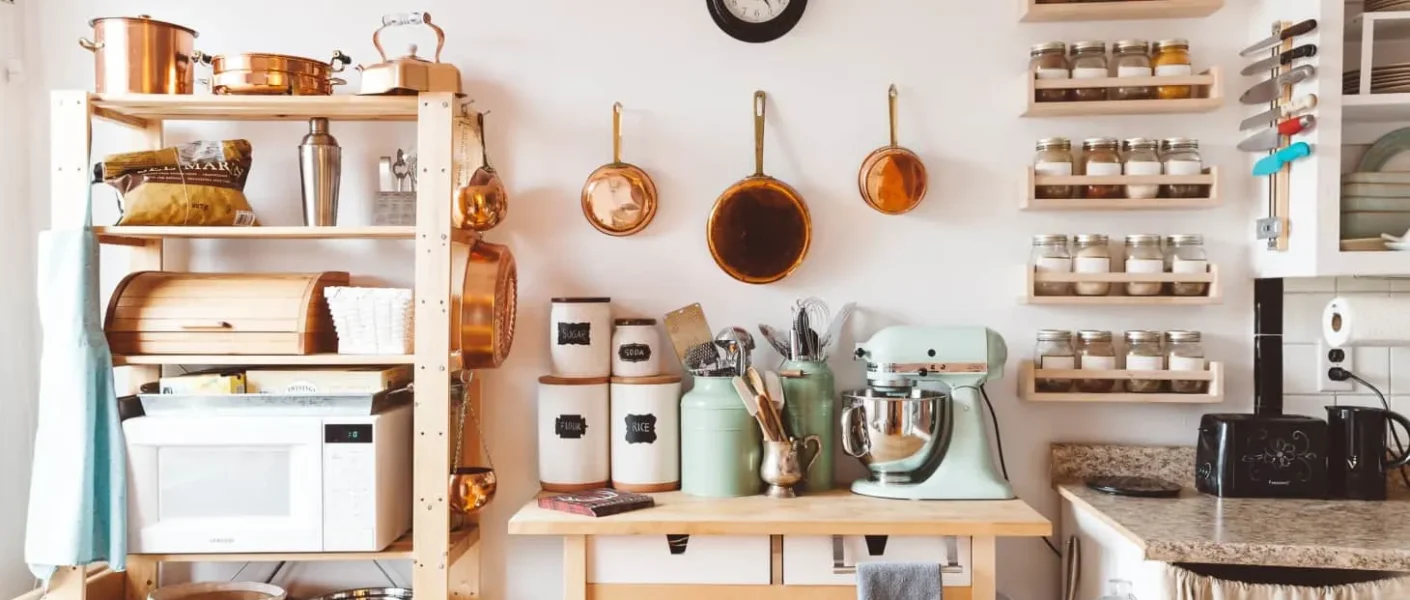
The removal boxes are finally flattened, the sofa is in place and somebody has found the kettle. Yet the flat still feels halfway between moving day and ordinary life. Shoes are gathering beside the front door. The bathroom windowsill has become a shelf for everything. And every time you open a kitchen cupboard, a packet of pasta makes a bid for freedom.
That first week is when you find out what a home is really like to live in. The wardrobe looked enormous during the viewing. The hallway seemed perfectly adequate before it had to accommodate two coats, a bag and a parcel. You could spend a small fortune trying to fix all of it at once. Or you could deal with the seven places where clutter is most likely to settle.
Start with the entrance, doors and kitchen; then tackle the bathroom, wardrobe, under-bed space and the desk. Most of these changes use furniture or organisers you can take with you when you move.
1. Clear a proper landing space by the front door
An entrance works hard for such a small patch of floor. It handles shoes, coats, keys, post, umbrellas and anything you’re carrying when you come home with both hands full.
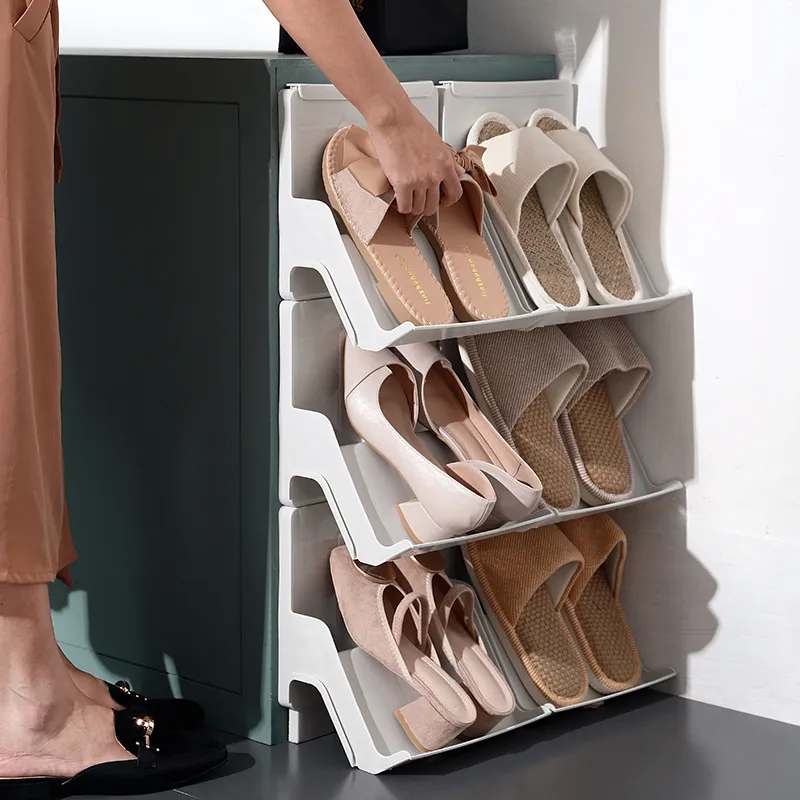
Start with the shoes. If a rack makes everyone step sideways to get past, it has solved one problem by creating another. A shallow rack against a side wall is often more useful than a taller, deeper cabinet. In a particularly narrow hall, keep only the pairs being worn that week by the door and move the others into a bedroom cupboard.
Next, give keys and post somewhere obvious to land. A tray on an existing console is enough. If there’s no console, a small basket on a nearby shelf will do. The important part is having one place that everyone uses, so Sunday evening doesn’t turn into a hunt for the spare key.
Open the front door fully before you decide where anything goes. That arc of floor space needs to stay clear, however clever the shoe storage looks in a photograph.
2. Borrow useful space from the back of a door
In a small flat, a bedroom door can do a surprising amount of work. An over-door organiser can hold scarves, belts, caps, reusable shopping bags or the bits and pieces that normally end up on a chair.
Choose the door carefully. The bedroom door is useful for accessories; a wardrobe door may be better for smaller items you reach for while dressing. Keep the pockets lightly filled and assign each one a job. It is much easier to find a belt when it isn’t sharing a pocket with five tote bags and a phone charger.
Look at the clearance along the top of the door. A bracket that’s too thick will scrape the frame, and you will hear it every morning. For doors that cannot accommodate a hanging organiser, use the inside of an existing cupboard instead.
The appeal is simple: it adds storage to a space you already have without taking another inch from the floor.
3. Make the kitchen cupboards easier to use
Rental kitchens rarely come with cupboards arranged around your particular plates, mugs and cooking habits. A shelf may be tall enough for a cereal box but mostly empty when you fill it with cups. A deep cabinet can hide the tin you need behind six others.
A freestanding shelf riser is a good first purchase. Put bowls underneath and lighter mugs or small plates above. In a deep cupboard, group baking supplies, tea or spare tins in a handled container you can pull forward. You can now reach the back of the cupboard without unloading its entire contents.
Drawers deserve attention too. Separate cutlery, cooking utensils and the mysterious collection of clips, batteries and bottle openers. A divider makes a drawer easier to use even when the drawer itself is tiny.
These are the kinds of portable pieces worth choosing carefully. RenterSet brings together compact storage organisers for smaller homes, including drawer and cupboard solutions that can come with you to the next address. A kitchen that functions properly is far more satisfying than one filled with matching containers you didn’t really need.
Try making breakfast in the reorganised kitchen. If you can reach the mugs, tea and bowls without moving anything else first, you’ve made a useful improvement.
4. Give the bathroom one good storage spot
Bathroom clutter has a habit of spreading along every available edge. Shampoo sits on the windowsill. Spare toothpaste lives beside the basin. Hairbrushes occupy the one bit of counter that might otherwise stay clear.
Take everything off the basin and sort it into what gets used daily, occasionally and hardly ever. Keep the daily essentials together on a tray or in a small caddy that can be lifted for cleaning. The spare bottles can go in an existing cabinet or under the basin.
Where there’s barely any built-in storage, consider one slim freestanding unit rather than several little racks dotted around the room. A narrow trolley beside the basin, if the gap allows it, gives you a place for towels and toiletries without making the walls look busier.
Tempting as it is to cover the tiles with adhesive fittings, they’re not always the answer in a damp room or on a delicate finish. A freestanding piece is often simpler to live with, especially when the tenancy is short.
The bathroom looks better almost immediately when the edge of the basin is visible again.
5. Organise the wardrobe around your actual week
A wardrobe can feel full even when there’s plenty of unused space. Often the things worn once a month occupy the easiest-to-reach spots, while everyday clothes are crammed onto the remaining rail.
Put the clothes you wear most often at hand height. Fold bulky jumpers rather than giving them a long stretch of hanging space. Use the top shelf for spare bedding, off-season clothes or bags you only carry occasionally. Shoes worn during the week should be easy to pull out without dismantling a tower of boxes.
If you have a deep shelf, place smaller items in a couple of labelled containers. You want to be able to pull out the winter accessories without hauling down the entire contents of the wardrobe.
Sharing a wardrobe? Don’t feel obliged to divide it into identical halves. One person may own more hanging clothes; the other may need more folded storage. Give each person the space their clothes require, then see what’s left.
There’s a particular pleasure in getting dressed without rummaging through a pile on the chair. Make that the test of whether the new arrangement works.
6. Save the space under the bed for things you rarely need
The area under a bed is one of the few storage spots that doesn’t ask to be seen. That’s exactly why it suits spare bedding, out-of-season clothes and the suitcase that otherwise leans in a bedroom corner.
Measure the height from the floor to the lowest part of the bed frame before buying a box. Crossbars and central supports have a way of spoiling plans based on the mattress height alone. Pick containers that slide out easily; the best bargain is no bargain if you have to lift the bed every time you want a spare pillowcase.
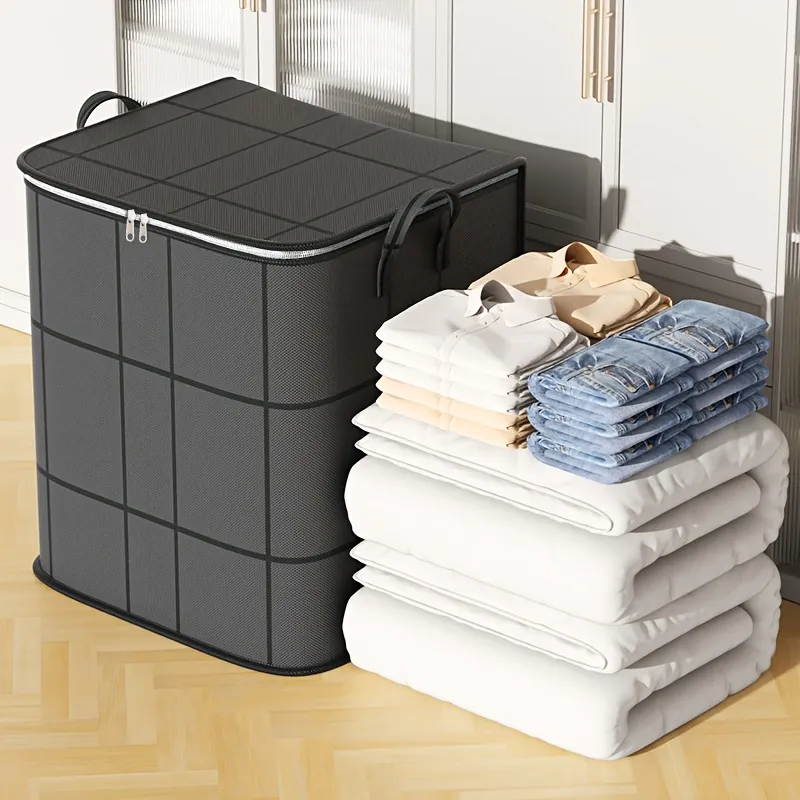
Soft zip-up bags suit bedding and clothes. A rigid, shallow box is better for items that need to stay flat. Label whatever isn’t transparent, especially if several boxes look alike.
Resist the urge to hide everyday things under there. Your favourite jumper will not feel like a favourite for long if you have to crawl across the bedroom floor to retrieve it.
7. Stop the desk becoming everyone’s spare shelf
Whether you work from home or use a small table to pay bills, paperwork and charging cables can spread across it overnight. The desk hasn’t shrunk. It has simply acquired everything that didn’t have another home.
Give incoming post a single tray. Put charging leads in a pouch or small drawer. Keep pens, scissors and stationery in one container that doesn’t dominate the surface. If the desk has a drawer, try dividing it before shopping for more furniture.
For a desk without drawers, a compact organiser tucked beneath the desktop can reclaim some room, provided it doesn’t get in the way of your chair. Otherwise, a neat desktop tray is a perfectly good answer. The point is to leave enough clear space to open a laptop or notebook without conducting a small archaeological dig first.
And if the desk is also your dining table, make the whole working setup easy to pack away. A single portable box beats a permanent spread of office supplies beside the dinner plates.
Buy for the home you have, not the one you imagined
Don’t order seven organisers on your first evening. Spend a few days noticing where the shoes actually land, which cupboard you dread opening and what keeps being abandoned on the desk. Those details tell you where to spend your money.
Take the measurements. Use the storage that already exists. Choose pieces that can move with you, rather than designing the whole flat around fittings you’ll leave behind. Taller furniture that requires wall anchoring needs a proper fixing plan, so it isn’t a casual substitute for a small movable organiser.
A new rental starts to feel like home in very ordinary ways: the coat is where you expect it, the bathroom counter is clear, the kitchen drawer opens without a fight. There may still be a few boxes to unpack. At least you’ll know where the kettle is.
