
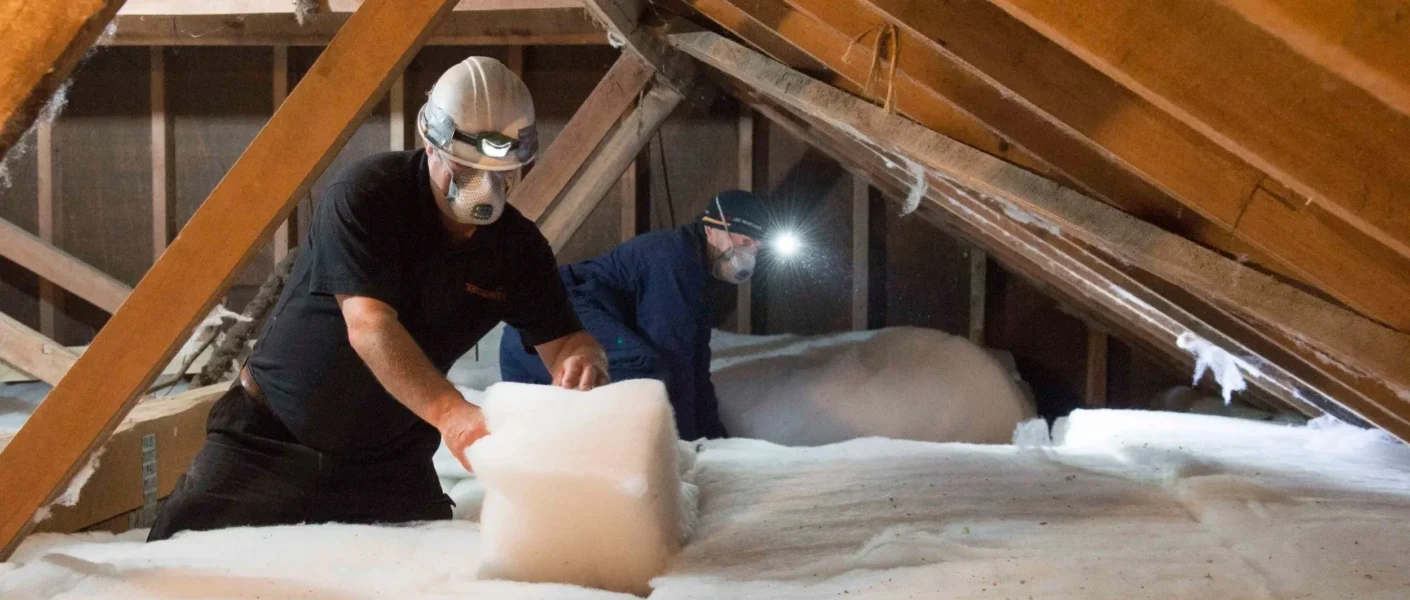
Upgrading insulation before installing a heat pump in Ottawa often makes sense. If you already struggle with cold bedrooms or floors that never feel warm, replacing the heating equipment may leave some of those frustrations unresolved.
That does not mean every house needs an insulation project first. The useful starting point is finding out where heat escapes, then choosing equipment for the home you plan to heat.
Why Insulation Affects Heat Pump Performance
A heat pump supplies heat, while insulation slows its movement through your walls, ceilings, and floors. When the house loses less heat, the system has less work to do to maintain your temperature.
Natural Resources Canada recommends addressing heat loss before selecting a heat pump. Improvements can sometimes allow a smaller unit, although the right size depends on an assessment rather than assumptions about savings.
In Ottawa, reducing heat loss can also help rooms stay comfortable during cold weather. However, operating costs still depend on electricity rates, equipment performance, thermostat settings, and the heating system being replaced.
Start With an Assessment
Before requesting equipment quotes, consider an energy assessment that examines insulation levels and air leakage. A blower door test can help locate leakage thatis hard to spot during a typical walkthrough.
Signs worth investigating include:
- Upstairs rooms that cool down quickly.
- Noticeable drafts around the attic hatch.
- Uneven or thin attic coverage.
- Rooms that remain uncomfortable despite steady heating.
These symptoms do not prove insulation is the only problem. Duct issues, windows, and heating distribution may also contribute, so an assessment helps you prioritize spending.
Which Improvements Should Come First?
The attic is often a practical place to investigate because accessible areas can be improved without opening finished walls. Reviewing your insulation in Ottawa with a qualified contractor can clarify whether existing coverage is adequate or needs attention.
For suitable attics, blown-in insulation can fill around framing and increase coverage. Address air leaks at ceiling penetrations before adding material, since insulation alone does not reliably stop air movement.
Roof leaks, damp materials, and ventilation problems also need attention before work begins. Adding insulation over an unresolved moisture problem can hide damage instead of fixing it.
Size the Equipment for Planned Improvements
Tell your heating contractor exactly which upgrades you intend to complete. Ask for heating and cooling load calculations that account for those improvements, rather than selecting equipment solely from floor area or the old furnace’s capacity.
Oversized equipment can operate inefficiently under some conditions. An undersized system may rely more heavily on supplemental heating, depending on its design.
Ask how the proposed heat pump performs at local winter temperatures and when backup heat would operate. Those answers matter, along with the insulation plan.
When the Heat Pump Cannot Wait
If your furnace fails, delaying replacement may be impractical. Share your renovation plans so the contractor can consider both current needs and expected changes.
Request separate quotes for insulation and heating work, with clear schedules. This lets you coordinate improvements without assuming everything must happen on the same day.
