
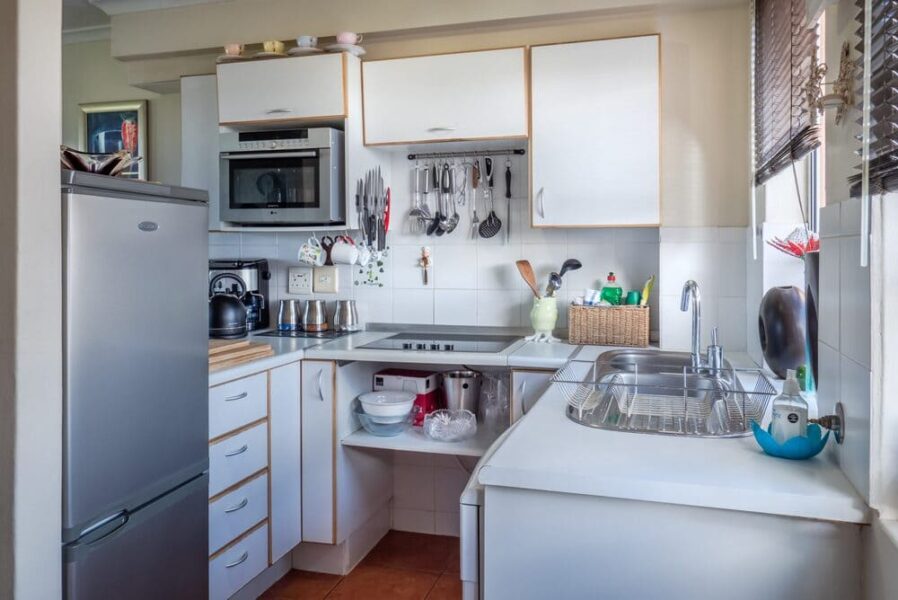
Picture this: you’ve finally committed to a healthier lifestyle. You bought a juicer, stocked up on fresh produce, and imagined yourself starting each morning with a vibrant homemade juice. Then reality sets in. Your kitchen counters are already crowded with a coffee maker, toaster, knife block, and perhaps a few decorative items. Suddenly, finding a permanent home for your new appliance feels like solving a puzzle.
For many homeowners, especially those living in apartments, condos, or older homes with compact kitchens, counter space is one of the most valuable commodities in the house. Every square inch matters. The challenge isn’t simply owning useful appliances—it’s finding a way to store them without making the kitchen feel cluttered and cramped.
Fortunately, creating a functional kitchen doesn’t require more square footage. Often, it comes down to smarter organization and thoughtful storage solutions. Whether you juice every morning or only on weekends, there are practical ways to keep your juicer accessible while maintaining a clean, organized kitchen.
Here’s how to make room for your juicer without sacrificing precious counter space.
Evaluate How Often You Use Your Juicer
Before searching for the perfect storage location, take a moment to assess how frequently you actually use your juicer.
This simple step can prevent one of the most common kitchen organization mistakes: giving prime real estate to appliances that rarely leave the cabinet.
If you use your juicer daily or several times a week, convenience should be a priority. Storing it in a hard-to-reach location may seem like a good idea initially, but repeatedly lifting a heavy appliance from a distant shelf can quickly become frustrating. Over time, inconvenience often leads to less use.
On the other hand, if juicing is an occasional activity reserved for weekends or special recipes, the appliance may not need immediate access. In this case, a cabinet, pantry shelf, or storage cart may be a better fit.
Think of your kitchen as a hierarchy of needs. The items you use most often deserve the easiest access. Everything else can occupy secondary storage areas.
This principle helps prevent countertop overcrowding. Many kitchens become cluttered not because homeowners own too many appliances, but because too many appliances compete for the same visible space.
Finding the right balance between accessibility and organization is key. A well-planned kitchen supports daily habits without creating visual chaos. The goal isn’t necessarily to hide every appliance—it’s to ensure each one earns its place.
By evaluating your routines honestly, you’ll have a much easier time identifying the most practical storage solution.
Smart Cabinet and Pantry Storage Ideas
Cabinets and pantries remain some of the most effective storage spaces in any kitchen. However, many homeowners fail to use them to their full potential.
One of the easiest strategies is dedicating a specific shelf to juicing equipment. Instead of storing the juicer separately from its accessories, keep everything together. Juice containers, cleaning brushes, spare parts, and recipe guides can all occupy the same designated area.
This simple system eliminates the frustration of hunting for components every time you want to make juice.
For lower cabinets, pull-out shelves can dramatically improve accessibility. These sliding shelves allow you to retrieve heavier appliances without bending deep into cabinets or rearranging surrounding items.
Appliance lifts are another clever solution. Often installed inside base cabinets, these mechanisms allow heavier kitchen appliances to be raised to working height and lowered back into storage when not in use. While commonly used for stand mixers, they can also be useful for larger juicers.
Vertical storage is another frequently overlooked opportunity.
Many cabinets contain unused space above existing items. Shelf risers, stackable organizers, and adjustable shelving systems can help maximize cabinet height. By utilizing vertical space effectively, homeowners can store more without making cabinets feel overcrowded.
Pantries offer similar opportunities. An underused corner shelf or a dedicated appliance section can provide convenient storage while keeping counters clear.
The secret is organization. Even a small cabinet can become surprisingly functional when every item has a designated place.
Creative Storage Solutions for Small Kitchens
When cabinet space is limited, it’s time to think creatively.
One increasingly popular option is the use of kitchen carts and mobile islands. These versatile pieces provide additional storage while remaining flexible enough to move where needed. Many feature shelves, drawers, or enclosed compartments that can easily accommodate a juicer and related accessories.
A rolling cart can function as a dedicated juicing station, allowing homeowners to prepare ingredients and store equipment in one convenient location.
Another strategy is to identify overlooked storage areas throughout the kitchen.
For example, the space above upper cabinets often becomes a decorative zone, but it can also serve as practical storage for appliances used less frequently. Attractive baskets or containers can help conceal items while maintaining a tidy appearance.
Pantry corners, deep shelves, and underutilized nooks can also be surprisingly effective storage locations. The key is viewing your kitchen from a new perspective and questioning whether each space is being used efficiently.
Multipurpose furniture can provide additional flexibility.
A storage bench, buffet cabinet, or kitchen console can house small appliances while contributing to the room’s overall design. This approach works particularly well in open-concept homes where kitchens blend into dining or living spaces.
The advantage of creative storage solutions is that they often improve more than organization. They can also increase functionality, enhance workflow, and make a small kitchen feel larger and more intentional.
Sometimes the best storage solution isn’t hidden away at all—it’s thoughtfully integrated into the overall design of the space.
Designing a Clutter-Free Juicing Station
If juicing is a regular part of your routine, creating a dedicated station can make preparation faster and more enjoyable.
A well-organized juicing station doesn’t require an entire room or expansive countertop. Even a small designated area can significantly improve efficiency.
Start by keeping essential items together. Produce baskets, juice containers, cleaning tools, reusable straws, and recipe notes should all be located near the juicer whenever possible. This reduces setup time and minimizes unnecessary movement around the kitchen.
Storage bins and baskets can help maintain order. Clear containers make it easy to see ingredients, while labels ensure every item returns to its proper place after use.
The fewer decisions you have to make each morning, the more likely you’ll stick with healthy habits.
Selecting space-efficient appliances can also contribute to a clutter-free environment. Compact designs are often easier to store and require less dedicated workspace. For homeowners who juice regularly, a premium low pulp juicer can be a practical choice, offering efficient performance while fitting more comfortably into smaller kitchen setups. While appliance features are important, overall footprint should also be considered, particularly in kitchens where every inch of storage matters.
Regular maintenance is equally important. Even the most organized storage system can become cluttered over time if it’s not periodically reviewed.
Every few months, take inventory of your kitchen equipment. Remove duplicate tools, relocate items you no longer use frequently, and adjust storage systems as your habits evolve.
Organization isn’t a one-time project—it’s an ongoing process.
The most successful kitchens adapt to changing needs while maintaining simplicity and functionality. By periodically reassessing your setup, you can ensure your storage solutions continue to support your lifestyle.
Conclusion
Living with a small kitchen doesn’t mean sacrificing convenience, functionality, or healthy habits. In fact, limited space often inspires smarter organization and more intentional design choices.
By evaluating how often you use your juicer, maximizing cabinet and pantry storage, exploring creative alternatives such as mobile carts and multipurpose furniture, and designing a dedicated juicing station, you can keep your kitchen both efficient and clutter-free.
The best storage solution isn’t necessarily the one that hides everything away. It’s the one that supports your daily routine while preserving valuable workspace. When appliances are stored thoughtfully, healthy habits become easier to maintain and the kitchen becomes a more enjoyable place to spend time.
A small kitchen may present challenges, but with the right approach, it can also become a model of efficiency. Sometimes, the secret to creating more space isn’t expanding the room—it’s making better use of the space you already have.