
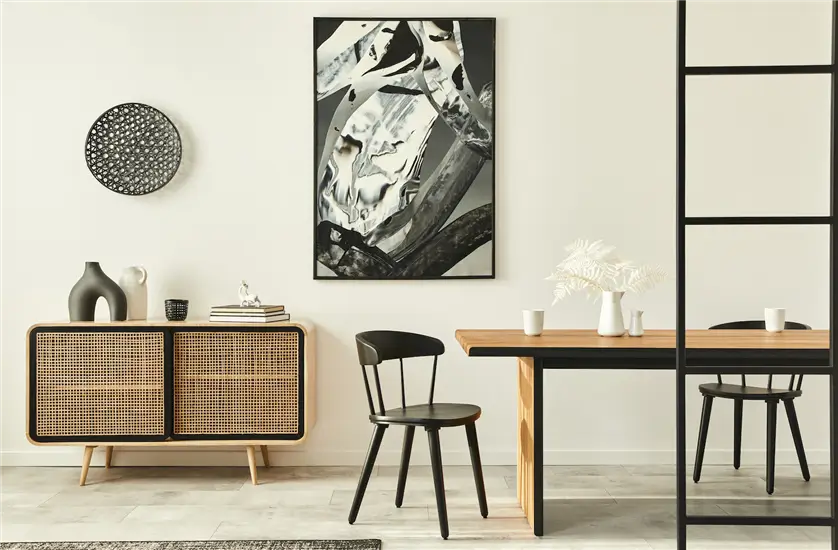
The contemporary interior design landscape is currently undergoing a thoughtful transformation. While previous decorating trends often relied on crowded gallery walls and overflowing bookshelves, today’s living spaces favor intentional curation and visual breathing room. Homeowners and interior designers are increasingly adopting a gallery-inspired mindset, treating personal collectibles and fine art as distinct architectural focal points rather than mere shelf fillers. When considering how to display decorative objects, the secret lies in isolating meaningful pieces so each item commands attention without overwhelming the surrounding room.
Design studios like AlumProject demonstrate how minimalist architectural structures can seamlessly elevate home curation. By focusing on the intersection of clean geometric lines, raw material honesty, and structural stability, they offer a tangible link between museum-grade presentation and everyday residential comfort. This approach ensures that cherished artworks do not get lost in domestic visual noise, but remain a deliberate, expressive part of the home’s spatial narrative.
The Curatorial Bridge: Why Intentional Display is Trending
The shift toward curated residential interiors is driven by a collective desire for calm, uncluttered living environments. Grouping numerous small trinkets together on standard consoles often creates visual chaos and diminishes the individual value of each piece. Today’s designers utilize pedestal display stands to elevate select items, giving sculptures, ceramics, and art objects the dedicated space they need to stand out cleanly.
Architectural Presentation vs. Crowded Shelving
The distinction between dedicated display structures and traditional cluttered shelving lies in spatial hierarchy and visual clarity:
- Material Integrity. Uncoated architectural aluminum offers exceptional structural strength paired with an understated, natural finish. Unlike bulky wooden plinths or ornate pedestals that compete with the artwork, raw metal provides a neutral, modern foundation that lets the object take center stage.
- The Engineering Touch. Unlike mass-produced display racks with visible seams or unstable bases, precision-crafted metal display stands feature crisp geometry and balanced proportions that support heavy sculptures effortlessly.
- Spatial Symbolism. Every elevated object in a minimalist room serves as an intentional focal point. While crowded bookcases scatter visual focus, standalone pedestals create deliberate pauses in a room’s layout, guiding the eye naturally through the space.
- Environmental Lifecycle. Solid metal display pieces are fundamentally sustainable. Built to endure decades without warping, chipping, or losing structural rigidity, they bypass the disposable cycle of temporary decorative furniture.
Key Elements of Clutter-Free Art Curation
When exploring modern home display ideas, several specific principles help maintain balance and sophistication:
- Varying Heights and Sightlines. Placing objects at different elevations creates dynamic visual rhythm without needing to add more items to the room.
- Dedicated Sculpture Zones. Understanding how to display sculptures at home starts with giving three-dimensional works clear perimeter space so light and shadow can interact with their forms from multiple angles.
- Negative Space as a Design Tool. Leaving generous empty areas around key pieces prevents visual fatigue and highlights the craftsmanship of each selected object.
Redefining Home Aesthetics through Gallery Precision
Modern residential luxury is no longer defined by the sheer quantity of decorative possessions, but by thoughtful editing and refined presentation. Design-conscious homeowners are increasingly investing in structural display elements that honor their collections:
- Monolithic Column Pedestals: Clean, vertical structures that turn corners and open floor areas into curated focal points.
- Low-Profile Plinths: Grounded platforms designed to anchor larger sculptural works or ceramic vessels with quiet stability.
- Unpainted Architectural Finishes: Raw metallic surfaces that complement modern plaster, stone, and wood interiors without adding visual clutter.
