
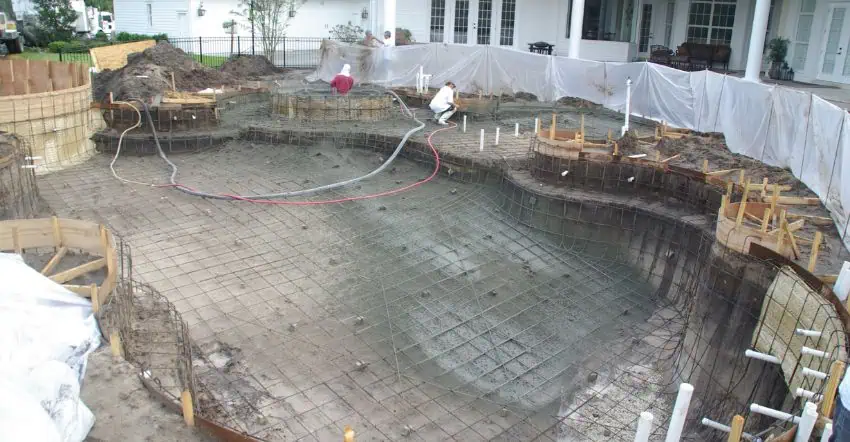
A concrete pool renovation may look like a cosmetic job from the outside, but the shell underneath is an engineered structure that holds back soil and groundwater every day. Before hiring, ask about the existing shell and the proposed work. Each question below includes the reason behind it.
Start with the license and the insurance
Ask which contractor license covers the proposed renovation and how to verify that it is current.
Ask directly about insurance too. Ask what insurance the contractor holds for the work and what completion documents you will receive. Ask to see the certificate before paying a deposit, and check that the name on it matches your contract. Membership of SPASA, the Swimming Pool and Spa Association, is also useful here because it is the peak industry body and its standards and contracts are built for this kind of work.
Ask how they assess the shell you already have
A worn interior is easy to see, so ask about the parts you cannot see. Concrete shells age in ways that stay hidden until the pool is empty, and the most common is concrete cancer. Water reaches the steel reinforcement inside the concrete, the steel rusts, and rust takes up more space than the original steel. The concrete around it then cracks and breaks away. If a new finish goes over that damage, the rust keeps growing and the new surface fails with it.
Ask what happens once the pool is drained. A thorough answer covers inspection of the empty shell, cutting each affected area back to sound concrete, treating or replacing the rusted steel, and rebuilding with repair mortar or shotcrete. Shotcrete and gunite are concrete sprayed on under pressure, and they suit shell repairs because the material compacts tightly against the old surface. If the answer is that new pebblecrete will simply cover everything, the repair step has been skipped and the deterioration will continue under the new finish.
The plumbing deserves the same attention because underground lines can leak for years without showing at the surface. Ask whether the contractor pressure tests every line before the new interior goes on. A leak found after the finish is applied means cutting into brand-new work. The skimmer box is worth naming too because it sits in the shell wall to draw surface water into the filter, and replacing it means excavating into the concrete. A quote that lists these checks has priced the job you actually have, making quotes easier to compare.
Ask how they plan to drain the pool safely
Everyone knows the pool has to be emptied. The reason to ask is the water sitting in the ground around it. A full pool is heavy, and that weight balances the soil and groundwater pressing against the shell. Take the water out and the balance changes. An empty concrete shell can be pushed upward by groundwater pressure, and shells have lifted or cracked when this is mishandled. Engineers call this uplift, and an empty pool is at its most vulnerable while it waits for work.
Concrete pools are built with a hydrostatic relief valve in the floor for this reason. The valve lets groundwater into the pool when pressure builds underneath so the load stays balanced. Ask the contractor to walk you through their draining protocol, and listen for mention of the valve, the groundwater level on your block, the forecast for the empty days, and a plan for rain while the shell is exposed. A contractor who names the valve before you do has drained pools carefully before, and that experience protects your shell while it sits empty.
Ask what your design changes mean for the structure
Renovations often grow past a new interior. You might want new steps, a spa joined to the shell, a shallower deep end, or a different shape. Each change means cutting into concrete engineered for the loads it already carries, so ask how new work gets tied into old. New sections are typically formed with shotcrete, the reinforcement is drilled and doweled into the existing shell, and bonding agents help the fresh concrete grip the old surface. Even a modest set of steps changes how loads move through that part of the shell.
Ask who designs these changes and how the join between old and new concrete is handled. That join is where movement and leaks can appear years later if the work is casual. Ask how long the new concrete needs before the next stage too. Structural concrete reaches its design strength over about 28 days, and a schedule that skips curing time tends to become a delay or a defect later. That timing belongs in the written schedule, and the timeline questions below return to it. The answers show whether your wish list is being treated as structural work, which is what keeps the shell sound.
Ask how local conditions shape the job
The ground around your pool does as much to the concrete as the water inside it, so local conditions deserve their own question. Clay soils swell when wet and shrink when dry, and that movement pushes on shells and coping year after year. Salt in coastal air speeds up corrosion wherever water has already reached the steel, and some blocks sit on a high water table, which changes how draining has to be managed.
Because these conditions vary from one area to the next, local experience matters when comparing pool builders. Ask how many renovations the contractor has completed near you, and what they watch for in your soil type. Resources on pool renovations sydney can help you frame those questions before you meet anyone. A contractor with local history answers with examples, and examples can be checked.
Ask how the new interior will be made to last
Start with the preparation
A new finish fails mainly because of poor adhesion to the surface underneath it. Plaster and pebblecrete need a clean, sound, rough base to grip, so ask exactly how the old interior comes off. Thorough preparation usually means chipping the old finish back to solid concrete, then acid washing and keying the surface so the new material has something to hold. Where the shell has a history of seepage or chemical leaching, a membrane waterproofing coating may go on first, and that is a separate line item worth asking about.
Preparation is also where quotes can differ quietly. Two quotes can both say “resurface” and mean very different amounts of work. Ask each contractor to list the preparation steps in writing, and the comparison becomes honest. If one quote skips steps another includes, the cheaper number buys less work. That turns the comparison from different jobs to the same job.
Then look at the edges
The waterline and the pool edge take more punishment than any other part of the shell. Waterline tiles sit in a band at the water level because that band is where staining and scale collect, and a tiled surface there is easier to keep clean. Coping stones cap the top edge of the shell, and they sit between two things that move, the pool shell and the deck around it.
Soil shifts with moisture and temperature, so the shell and the deck do not move together. Rigid joints between them crack. Ask what flexible expansion joint material the contractor plans to use between the coping and the deck, and how the joints will be spaced. That flexibility stops tiles popping and coping cracking after the first wet season. A contractor who brings up movement joints has usually repaired this damage before.
Ask for a staged timeline
A renovation follows an order, and each stage depends on the one before it being done properly. Ask for the schedule in stages: draining, inspection, structural repair, preparation, interior application, curing, and refill. Some waiting cannot be compressed because curing times depend on the mix, the design, and the contractor’s own schedule. Filling too early can mark or weaken the surface.
Weather belongs in the plan too. Rain on fresh work and rain that lifts groundwater around an empty shell can both cause damage, so ask what contingencies are built in. A staged schedule also gives you somewhere to attach progress payments because paying against finished stages keeps money and work in step. It also tells you early whether a promised timeframe is realistic, which is useful before you sign.
Ask how the warranty and handover are structured
Warranties on a renovation come from different places and cover different things. The structural work carries a warranty from the builder, the interior finish product may also carry a manufacturer’s warranty, and the installation carries the contractor’s workmanship guarantee. Ask for each one in writing, ask how long each runs, and ask who handles which problem. The lengths and exclusions differ, and those differences matter when something goes wrong.
Handover deserves its own questions because the documents you collect that day are what you rely on later. If the renovation adds smart pool automation, which manages filtration, chemical dosing, heating, and lighting from a phone app, ask for a full walkthrough and the manuals before the final payment. Ask for the pressure test results and the insurance certificate for your records too because those papers matter if you sell the house or need to make a claim.
You do not need to know how to shotcrete a wall or pressure test a pipe to ask these questions. Each one asks the contractor to explain their own process in plain terms. Contractors who do solid work tend to answer in detail because detail is how they work. Put the same questions to two or three pool builders, ask for the answers in writing, and compare the detail you get back.
