
Long before planning rules or building codes, climate set the terms for shelter. It decided where crops would grow, where water could be found, and how thick a wall needed to be to keep out the heat or the cold. Those pressures still show in towns and houses around the world, from mud-brick courtyards in the desert to raised timber houses in the tropics.
This guide looks at how climate influences where people live, how homes adapt to different conditions, and which materials hold up in each. It also covers the signs that a home suits its surroundings, and how a changing climate is starting to reshape both settlements and the buildings within them.
What Is the Link Between Climate and Where People Live?
Climate shapes settlement in quiet but persistent ways. Temperature, rainfall and seasons determine which land can feed a population, which areas flood, and how much energy a household needs simply to stay comfortable. Two ideas help explain the pattern: how climates are classified, and why people tend to gather in some regions more than others.
The most widely used system for grouping climates was developed by the climatologist Wladimir Köppen in the late 19th century and refined in the early 20th. It sorts the world into five broad groups: tropical, dry, temperate, continental and polar. Each has its own mix of temperature and rainfall. Those conditions shape what grows there, how people earn a living, and what a building has to withstand throughout the year.
The second idea is where people actually settle. Populations cluster where water and farmland are reliable, from river valleys such as the Nile, Ganges and Yangtze to mild coastal plains, while deserts and polar regions remain thinly populated. Over thousands of years, that pull towards dependable rainfall and moderate temperatures has shaped the map of towns and cities we see today.
How Different Climates Shape Home Design
Every climate presents a different problem for a home to solve. The four climate types below show how traditional homes around the world have responded, from thick desert walls to raised houses in the tropics.
Hot and Dry Regions
In deserts and arid zones, the main task is to slow the movement of heat. Thick walls of earth, adobe or stone absorb warmth during the day and release it at night, when temperatures drop sharply. Small windows limit direct sunlight, and inward-facing courtyards create shaded outdoor space. In parts of Iran, such as the city of Yazd, tall windcatchers known as badgirs draw cooler air down into homes, a passive form of ventilation that has worked for centuries.
Hot and Humid Regions
Where heat comes with heavy rain and high humidity, airflow matters more than thermal mass. Traditional homes across Southeast Asia and the Pacific are often raised on stilts, which lifts living space above floodwater and allows air to circulate underneath. Steep roofs with wide overhangs shed tropical downpours and shade the walls, while lightweight materials such as timber, bamboo and woven panels let breezes pass through and dry quickly after rain.
Temperate Regions
Temperate climates sit between extremes, with warm summers, cool winters and rain spread through the year. Homes here tend to balance several needs at once: pitched roofs and gutters to move water away, moderate insulation, and windows sized to bring in light without losing too much heat in winter. Damp is often the main long-term concern, which is why features such as damp-proof courses and good ventilation are common in places like the United Kingdom.
Cold Regions
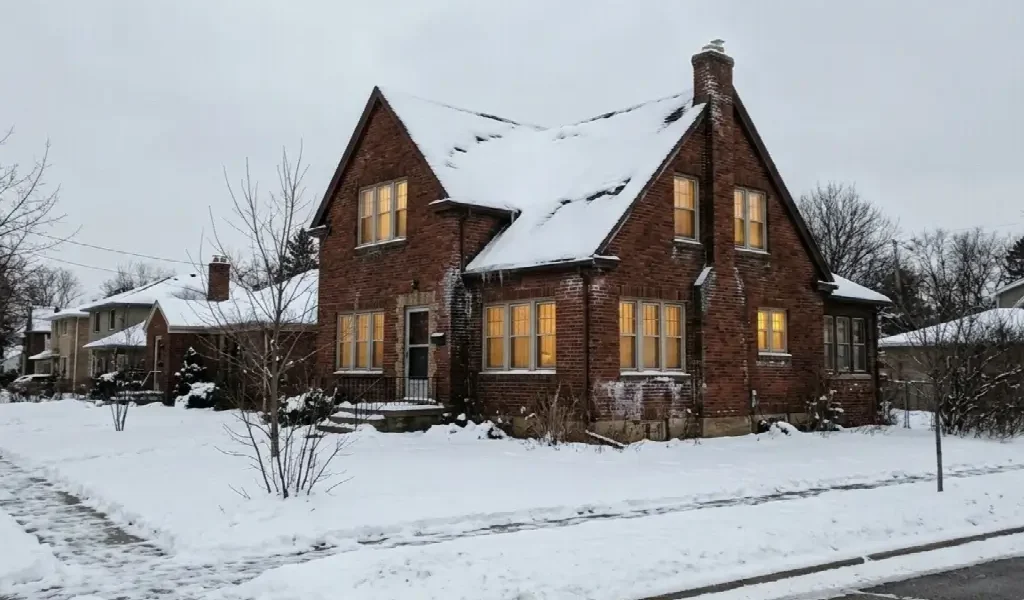
In cold climates, homes are built to hold heat and protect their structure from ice. Across much of Canada, Scandinavia and northern Russia, compact shapes reduce exposed surface area, heavy insulation and multiple glazing limit heat loss, and steep roofs help snow slide off before its weight becomes a problem. Foundations are set below the frost line so the ground doesn’t heave beneath them.
Moisture causes as much trouble as the cold itself. Water that seeps into brick or mortar expands by about 9 percent when it freezes, slowly widening cracks with every cycle. In Canada, Calgary is a clear example. Chinook winds can lift winter temperatures above freezing for a day or two before the cold returns, so walls go through many freeze-thaw cycles in a single season. Small cracks grow faster there than in milder climates, and spalling and crumbling mortar joints are common. For that reason, brick masonry repair in Calgary often focuses on keeping water out of the wall, repointing worn joints and replacing damaged bricks before the next winter makes the damage worse.
Building Materials and Climate
Materials have long been chosen as much for local conditions as for availability. Each one handles heat, moisture and movement differently, which is why the same material can last for centuries in one place and struggle in another. The two broad families below show the trade-offs.
Earth, Stone and Brick
Heavy materials such as earth, stone and brick have high thermal mass, so they absorb and release heat slowly. That steadies indoor temperatures in hot, dry places and adds durability almost everywhere. Their weakness is moisture. In wet or freezing climates, they depend on sound mortar, good drainage and protective details such as overhangs and flashing to stay in good condition.
Timber and Lightweight Materials
Timber, bamboo and other lightweight materials heat and cool quickly, which suits humid regions where ventilation matters more than storing warmth. They are also easier to build with in remote areas and perform well in earthquake zones, since they flex rather than crack. In colder regions, timber frames are usually paired with thick insulation and vapour barriers to manage heat loss and condensation.
Signs a Home Suits Its Climate
Whether a house is centuries old or newly built, certain features show how well it matches its surroundings. A home that fits its climate tends to use less energy, stays comfortable with less effort, and avoids many of the repairs that come from fighting the weather.
Orientation is a good place to start: in cold climates, living spaces that face the sun gain free warmth in winter, while in hot regions shaded windows and overhangs keep rooms cooler. Roof shape and drainage should suit local rain and snow, and walls should stay dry, without persistent damp patches, flaking surfaces or white mineral stains. Steady indoor temperatures without constant heating or cooling are another sign that the design is working with the climate rather than against it.
How a Changing Climate Is Reshaping Homes
Climate patterns aren’t fixed, and recent shifts are already influencing building decisions. The two sections below look at how this is changing where people choose to live and how existing buildings are being adapted.
Shifts in Where People Live
Rising sea levels, longer heatwaves and more intense storms are prompting some communities to reconsider low-lying coastal land and flood plains. In many countries, planning rules now take flood risk and extreme heat into account when deciding where new homes can be built. Over time, these pressures may gradually change where people live, much as rivers and farmland once did.
Adapting Existing Buildings
Most homes standing today will still be in use for decades, so adaptation often means upgrading rather than replacing. Common changes include better insulation, improved drainage, heat-reflective roofing and shading in warmer regions. In colder places, more frequent swings around freezing point can put extra strain on masonry and roofs, which makes regular inspection and maintenance increasingly important.
Frequently Asked Questions
How does climate affect housing?
Climate decides what a home has to protect against. Hot, dry regions favour thick walls and shaded courtyards, humid regions favour raised, well-ventilated houses, temperate regions focus on keeping out damp, and cold regions rely on insulation, steep roofs and deep foundations.
What is climate-responsive architecture?
It is design that works with local conditions rather than against them. Orientation, shading, ventilation and the choice of materials are used to keep a building comfortable with less heating, cooling and repair.
Why does brick crack in cold climates?
Water that soaks into brick or mortar expands by about 9 percent when it freezes. Repeated freeze-thaw cycles widen small cracks and can cause spalling, where the face of the brick flakes or breaks away.
Which building materials suit a hot climate?
In hot, dry climates, earth, stone and brick work well because their thermal mass keeps rooms cooler during the day. In hot, humid climates, lightweight timber or bamboo that lets air move through is usually the better choice.
Final Thoughts on Climate and Home Design
Climate has always guided where people live and how they build. Thick earth walls in the desert, raised houses in the tropics, damp-proof brick in temperate regions and heavily insulated homes in the cold all show the same principle: buildings last longer and work better when they respond to local conditions.
As weather patterns shift, that relationship is becoming more visible. Understanding how heat, rain, snow and freezing temperatures affect a home helps explain past choices about where people live, and it offers a practical guide for building and caring for homes in the years ahead.
