
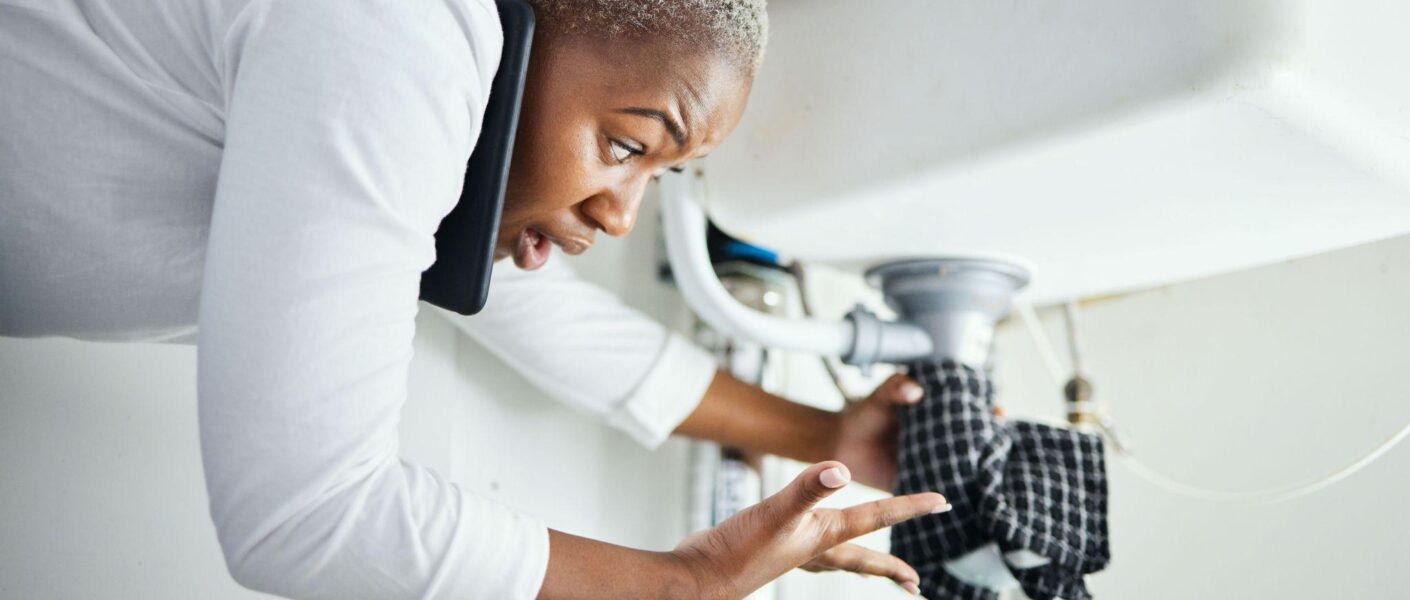
Plumbing emergencies can happen without warning, turning an ordinary day into a stressful situation. A burst pipe, overflowing toilet, leaking radiator, or blocked drain can quickly cause water damage and disrupt everyday life. For homeowners in Croydon and across London, knowing how to respond can help prevent expensive repairs and protect their property.
Although some minor plumbing issues can be managed temporarily, serious problems often require professional attention. Understanding the immediate steps to take and knowing how to choose a reliable 24/7 plumber can make a significant difference when an emergency occurs.
Emergency Plumbing Action Checklist for Croydon and London Homeowners
When a plumbing emergency occurs, taking the right steps quickly can help minimise water damage, reduce safety risks, and prevent costly repairs. Keep this checklist handy so you know what to do before professional help arrives.
Shut off the main water supply: Locate your property’s stopcock and turn it clockwise to stop water flowing from a burst pipe or serious leak.
Check for electrical hazards: Keep away from electrical sockets, appliances, and wiring exposed to water. Do not touch electrical controls in wet or unsafe areas.
Switch off heating if necessary: If the leak involves a radiator or central heating pipe, turn off the heating system where it is safe to do so.
Contain escaping water: Place buckets, towels, or suitable containers beneath leaks to reduce damage to floors and furnishings.
Avoid using blocked drains: Stop running taps, flushing toilets, or using appliances connected to affected drains if wastewater is backing up.
Move valuable belongings: Protect furniture, electronics, important documents, and other possessions from water damage where safe.
Document the damage: Take photographs or videos of affected areas for repair records and potential home insurance claims.
Contact a reliable 24/7 plumber: Explain the emergency clearly, provide your location in Croydon or London, and ask about availability, call-out charges, and estimated arrival time.
Inform relevant parties: If you live in rented accommodation or a flat, notify your landlord, letting agent, or building manager when appropriate.
Keep the affected area safe: Prevent children and pets from entering flooded or sewage-contaminated areas until the problem has been resolved.
When Is a Plumbing Emergency Serious Enough to Call Immediately?
Contact an emergency plumber without delay if you experience uncontrolled water leakage, a burst pipe, sewage entering your home, an overflowing toilet that cannot be contained, or a major leak affecting neighbouring properties.
If flooding creates an immediate electrical danger or threatens the safety of occupants, prioritise getting everyone to a safe location and contacting the appropriate emergency service. Temporary measures can limit damage but are not substitutes for professional repairs.
1. Turn Off the Water Supply Immediately
One of the most important steps during a plumbing emergency is stopping the flow of water. If a pipe bursts or a major leak develops, locate your property’s main stopcock and turn it clockwise to shut off the water supply. In many UK homes, the internal stopcock is found beneath the kitchen sink, in a utility room, or near the point where the water supply enters the building.
Homeowners should familiarise themselves with its location before an emergency happens. After shutting off the water, opening the cold taps can help drain some remaining water from the pipework. If the problem involves a hot water system, additional precautions may be necessary depending on the type of boiler or cylinder installed.
Taking these simple steps can significantly reduce water damage while waiting for professional assistance.
2. Handle Burst Pipes and Major Leaks Carefully
Burst pipes are among the most serious plumbing emergencies faced by London homeowners, particularly during periods of freezing weather. When water freezes inside a pipe, it expands and can cause the pipe to split. Older pipework, poorly insulated loft spaces, and exposed outdoor plumbing may be particularly vulnerable.
If you discover a burst pipe, shut off the main water supply and move furniture, electrical equipment, and valuable belongings away from the affected area. Use towels, buckets, or containers to collect leaking water where it is safe to do so. Avoid touching electrical switches or appliances near standing water. If water has reached electrical fittings, seek appropriate professional assistance rather than attempting to operate potentially affected equipment.
Temporary pipe repair tape may help contain a small leak, but it should not be considered a permanent solution. A qualified plumber should inspect the damaged section and determine whether repair or replacement is necessary.
3. Know What to Do When Drains Become Blocked
Blocked drains are another common problem in residential properties throughout Croydon and London. Kitchen drains frequently become obstructed by grease, food waste, and soap residue. Bathroom drains can develop blockages due to hair, toiletries, and other materials accumulating inside the pipework.
Common warning signs include slow-draining sinks, unpleasant smells, gurgling noises, and wastewater backing up into fixtures. For a minor blockage, a plunger may help restore normal drainage. However, repeated blockages or sewage backing up into the property can indicate a more serious problem within the drainage system.
Avoid repeatedly using strong chemical drain cleaners, as they may create hazards for anyone subsequently working on the pipes. Never mix different drain-cleaning products. If several fixtures are affected simultaneously, stop using water where possible and arrange a professional inspection. A drainage specialist may need to use appropriate clearing equipment or a CCTV survey to identify the cause.
4. Take Precautions During an Overflowing Toilet Emergency
An overflowing toilet can create unhygienic conditions and cause significant damage to flooring, ceilings, and surrounding rooms. If the toilet begins overflowing, stop flushing immediately. Where accessible, turn off the isolation valve supplying the cistern.
Keep children and pets away from contaminated water, especially if sewage is involved. Avoid using nearby sinks, showers, or appliances if you suspect a shared drainage blockage. Where wastewater has spread across floors or into living spaces, professional cleaning may be required.
Residents of flats or shared buildings should also notify their building manager or landlord when a leak or blockage could affect neighbouring properties.
5. Choosing a Reliable 24/7 Emergency Plumber in Croydon
Finding a trustworthy plumber during an emergency can be challenging, particularly when water is actively leaking or a drainage system is unusable. Croydon homeowners have access to a range of plumbing businesses serving South London, but availability, experience, and service quality can vary considerably.
An online search for emergency plumber croydon may help identify a possible service provider. However, homeowners should assess any company carefully rather than choosing solely based on its website or advertised response time.
A dependable emergency plumbing service should offer clear communication, explain its call-out arrangements, and provide information about expected charges before work begins whenever possible. Consider the following factors when comparing plumbers:
• Genuine emergency availability: Check whether the business handles urgent calls overnight, at weekends, and during bank holidays.
• Relevant experience: Ask whether the plumber regularly deals with burst pipes, water leaks, blocked drains, and similar problems.
• Transparent pricing: Request details of call-out fees, hourly rates, minimum charges, and potential additional costs.
• Appropriate qualifications: Ensure the tradesperson has the skills required for the particular job. Any work involving gas appliances must be carried out by an appropriately registered Gas Safe engineer.
• Insurance: Ask whether the business carries suitable public liability insurance.
• Customer feedback: Review independent customer experiences, paying attention to reliability, communication, and how unexpected problems were handled.
It is also sensible to ask whether replacement parts and completed repairs are covered by a workmanship guarantee.
6. Understand Emergency Plumbing Costs Before Agreeing to Repairs
Emergency plumbing work may cost more than routine appointments because it often involves unsociable hours, urgent travel, and immediate access to tools or replacement components. Prices can also vary according to the complexity of the problem, the condition of existing pipework, and whether specialist equipment is needed.
Before authorising work, ask the plumber to explain the likely costs and whether the initial fee includes diagnosis or only attendance. Where possible, request a written estimate. If additional damage is discovered during the repair, ask for an explanation and updated cost before approving further work.
Homeowners should also keep invoices and records of repairs, especially if the incident may involve a home insurance claim.
7. Prevent Further Damage While Waiting for Help
Once the immediate water supply or drainage problem has been contained, focus on limiting secondary damage. Remove standing water where it is safe to do so, protect nearby furniture, and improve ventilation if conditions allow.
Photograph damaged pipework, walls, ceilings, and flooring before beginning significant cleanup. These records may be useful when discussing repairs with insurers. If water is leaking through a ceiling, avoid standing underneath areas that appear swollen, sagging, or structurally weakened.
In situations involving extensive flooding or potential electrical hazards, safety should take priority over protecting possessions.
8. Understand Who Is Responsible for the Plumbing Problem
Not every plumbing issue affecting a home is necessarily the homeowner’s responsibility. In London, responsibility for water supply pipes and drainage systems can depend on where the problem occurs and whether the pipework serves one property or several.
Water companies may be responsible for certain public mains and sewers, while homeowners are generally responsible for much of the private plumbing within their property. If the issue appears to involve a shared sewer, external water main, or communal pipework, contact the relevant water company, property manager, or landlord to clarify responsibility.
This can help avoid unnecessary expenditure on repairs that another organisation may need to arrange.
9. Reduce the Risk of Future Plumbing Emergencies
Although plumbing problems cannot always be prevented, regular maintenance can reduce the likelihood of unexpected failures. Inspect visible pipes and flexible hoses for signs of corrosion, moisture, or deterioration. Repair dripping taps and small leaks before they become more serious.
During colder months, insulating vulnerable pipes in lofts, garages, and other unheated areas can help reduce the risk of freezing. Avoid disposing of cooking oil, sanitary products, wipes, and other unsuitable materials down household drains, even when packaging describes certain products as flushable.
Routine inspections can be particularly beneficial in older Croydon properties where plumbing systems may have been altered or extended over several decades. Keeping the contact details of a reliable local plumber readily available can also make emergencies easier to manage.
Conclusion
A plumbing emergency can be disruptive, but acting quickly and calmly can reduce the damage it causes. Turning off the water supply, avoiding electrical hazards, containing leaks safely, and recognising serious drainage problems are important first steps.
For homeowners in Croydon and throughout London, choosing a reliable 24/7 plumber involves more than finding someone who can arrive quickly. Relevant experience, clear pricing, appropriate qualifications, insurance, and dependable communication are equally important.
By preparing for common emergencies and maintaining household plumbing regularly, homeowners can protect their property, reduce unexpected repair costs, and respond more confidently when urgent plumbing problems arise.
