
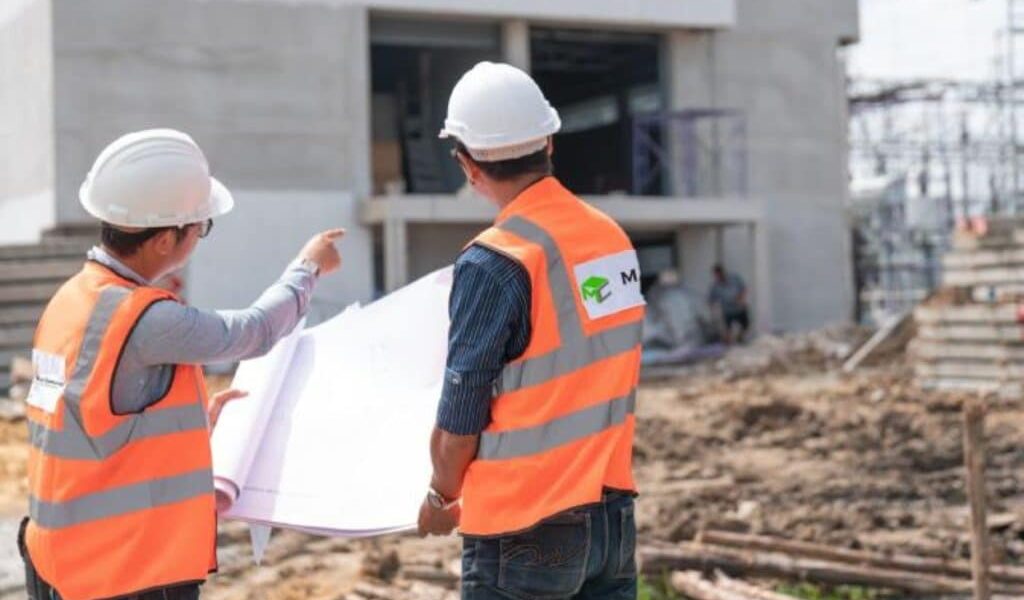
Finding trusted home builders starts before floor plans are drawn. The questions asked in the first meetings shape budget control and the quality of everyday living. A short vetting checklist helps buyers compare builders on facts instead of sales talk.
What kind of homes do you normally build?
Start with fit. Some builders focus on one-off plans drawn for a single lot and owner. Others work mostly from pre-designed plans with set options for finishes and layouts.
Neither path suits every project, so ask what customization is available and where limits apply. Find out whether walls can move and ceiling heights can change. Can heating or wiring be redesigned from scratch?
The answer gives a useful indication of fit. It shows whether the builder is set up for one-of-a-kind work or for repeat plans with tweaks.
Then ask for proof. Request recent completed homes close to your size and scope. Walk through at least one in person if possible because photos can hide small flaws in trim and paint that are easier to spot in natural light. Talk with past owners about schedule pressure and service after closing. Ask if the project used an architect hired separately or a design-build process where architect and builder planned together from day one.
A builder’s experience with similar work matters more than a promise to figure it out on your lot.
How are price and change orders handled?
Luxury pricing can be confusing because two builders can quote the same plan in very different ways. Look beyond the bottom-line numbers. Compare what is included in each proposal.
Ask if the contract is fixed-price or cost-plus. With fixed-price, ask what allowances cover flooring and cabinetry. Ask what is excluded and what contingency is held for unknowns that can surface during a large build with many selections and hidden site variables. With cost-plus, ask how costs are tracked and what overhead and profit percentage apply. Find out how receipts are shared.
Clear written allowances and exclusions help buyers understand the price before work starts.
Change orders need the same care. Even careful plans change once walls go up or materials get delayed. Ask how a change order is priced and who must sign it before work continues. Ask if work stops until approval is given because unwritten extras can quickly put pressure on a budget.
Use two test questions. Ask how tile upgrades are priced mid-project and how a small framing change is priced when drywall is already ordered.
How are complex details and decisions coordinated?
Smart systems and wide openings look simple in photos. They aren’t simple to build. Wiring and framing must be planned early with HVAC routes in mind or rework can follow and costs climb.
Ask about direct experience with the details you want. That might include automated lighting and shades or pocketing glass walls that open to a patio. It might be a temperature-controlled wine room or a dedicated gym with ventilation suited to its layout and use.
When designing a luxury modern home, it helps to bring a short list of must-have details to the first meeting so coordination needs get flagged early. The builder can then explain which choices affect framing and wiring before plans are final.
Also pin down communication. Ask who your single point of contact is. Find out how often progress updates arrive and whether they include photos. Ask how decision deadlines are set for fixtures and paint colors.
Slow answers during vetting can be a warning about communication during the build.
Missed selections can stall trades. A clear calendar can keep decisions ahead of labor instead of behind it.
Who is on site each day and how are trades managed?
High-end work depends on close supervision. Good materials alone don’t ensure a good installation. The people doing the work matter.
Ask who is on site every day. Is it a full-time project manager or site supervisor? Find out how many projects that person runs at once. Who steps in if that person is sick and decisions can’t wait?
Then ask how subcontractors are picked and managed. Luxury homes rely on skilled trades for tile and custom woodwork. Ask how long the builder has worked with key trades and how far ahead those trades are scheduled.
You can learn a lot from one walk through an active job site. Look at whether it is clean and materials are stored safely out of the rain. Are doorways and windows protected? Sloppy sites can raise concerns about the work behind finished walls.
What is the schedule and what happens after move-in?
Ask for a realistic schedule tied to your scope, not a sales estimate. Find out what milestones are in the contract. Ask how delays for weather or backordered material are handled. Ask how often the schedule is updated and who sends that update.
Vague promises offer little to plan around. Look for start dates and inspection points that get revised in writing as choices are finalized.
Then talk about life after closing. Ask how long workmanship is covered. Find out whether a separate structural warranty is included. Ask how service requests are filed and how fast they get answered.
Past owners offer a useful check. Ask whether nail pops were fixed. Did doors get adjusted after the first winter? Were calls returned?
Good vetting takes time but it can help prevent rework later. Asking hard questions now helps buyers spot avoidable gaps before those gaps become repairs.
