
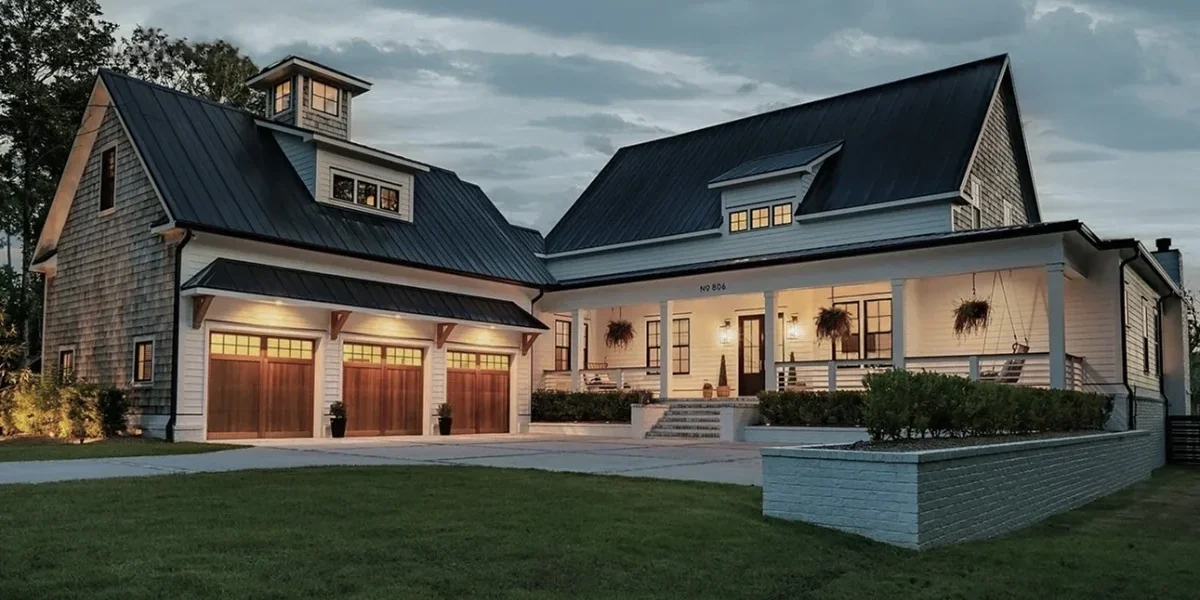
Planning a custom coastal home doesn’t require having every detail locked down. It takes enough clarity about daily life and budget to start a useful conversation with a builder who knows the coast. With those pieces in place, initial planning can begin.
You know how you want to live on the coast
People who are ready can describe a normal week in the new place. They know if it’s a full-time residence or a weekend retreat. They have a sense of how many bedrooms will get used and whether guests will stay often. That picture matters more than a style name or a color palette.
Coastal daily life raises practical design questions that don’t show up in photos. In an elevated home, consider how you’ll bring groceries to the main living level. Think about whether a covered deck, an outdoor shower, or storage for beach gear would suit your routines.
Clarity here saves redesign later.
Ready buyers can also name two or three non-negotiables. For some, that’s a ground-level garage and storage. For others, it’s a porch that catches the evening breeze. When those priorities are set, a designer can shape the home around them instead of guessing what matters most.
You have a lot or a tight shortlist
Dreaming about the Texas Gulf Coast in general is fun. Planning starts when the focus narrows to a specific area or a couple of lots. Galveston Island alone has very different settings from street to street, from open beachfront to sheltered bay side.
You don’t need to own the lot to start. A shortlist of two lots is enough to have a real discussion about access and views. Bring what’s available, such as a survey or prior soil testing if the seller shared it. A builder with coastal experience can help sort out what else to look into, such as flood zone information and base flood elevation for that block.
This is also the point where buyers stop comparing dozens of listings. They start getting familiar with one place. They drive it at night and in traffic, noticing where water sits after rain. Conversations with neighbors help them learn about wind and noise.
You have a broad budget range in mind
Readiness means thinking about the whole project, not just the main living spaces. Land, site preparation, foundation design, exterior materials, and outdoor features all belong in the early budget conversation. Identifying which costs the builder’s estimate includes makes it easier to compare design options.
There’s no need for a line-item spreadsheet at this stage. A broad project budget gives the builder a practical starting point for design. It keeps early sketches in a realistic range instead of drifting into revisions that waste months.
This is also when buyers start looking closely at builders with completed coastal work. Those with elevated homes nearby can explain how elevation and exposure affect early pricing, and a conversation with a coastal custom home builder such as Kai Custom Homes can help keep those early numbers realistic.
Buyers who are ready can also talk openly about trade-offs. They understand that a larger footprint might mean simpler finishes. A detached garage might wait for a later phase. That flexibility keeps the project moving when bids and selections come in.
You’re open to design that fits the lot
A coastal home’s design starts with the lot. Entry stairs, porch height, views, and outdoor spaces all need to work together. Discussing the site’s elevation, exposure, and soil conditions with the project team helps connect the home’s appearance with its foundation and structural design.
Readiness looks like curiosity about those constraints rather than resistance to them. Instead of bringing a fixed floor plan from elsewhere, ready buyers bring ideas and ask how they would need to change for this block. They expect bedrooms and living spaces to shift up or sideways to capture light and air.
This is a good time to look for builders with completed coastal work, not just general custom experience. A walk through a completed elevated home nearby can show how lot elevation and exposure shaped the design. That visit tells you more than any brochure.
You can stay flexible and make steady decisions
Planning a custom home involves a sequence of decisions rather than one big approval. Ask the builder how design reviews, selections, ordering, and construction fit together. Understanding which choices come first helps you reserve time for them without trying to decide everything at once.
Being ready doesn’t mean having unlimited availability. It means agreeing on a manageable way to review options, ask questions, and provide feedback. A regular check-in can help keep decisions organized.
Decision stamina matters as well. A custom build involves regular choices about layout tweaks and finishes. Couples or partners who are ready have a simple way to decide together. They pick one person to give the final answer when opinions split.
Someone who can give feedback and move on is ready to begin planning.
The right time to plan isn’t when every technical answer is known. It’s when lifestyle goals are clear and a lot is in focus. Early conversations about flood zones and soils give the design room to respond to what the lot allows. The result is a home that fits both the street and the way life happens there.
