
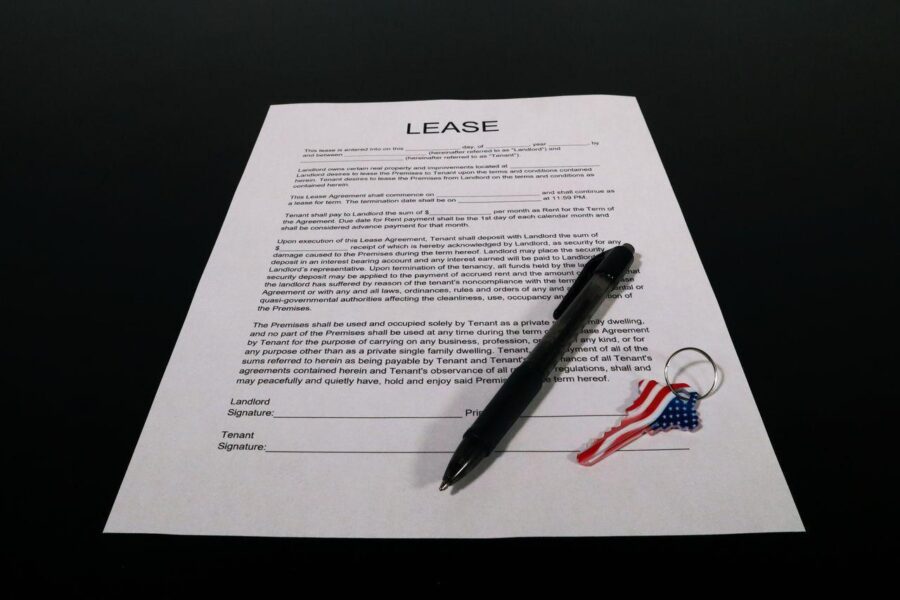
A good lease should be more than just a “paper” to sign; It provides you with an effective defense against legal action for the most part and gives you a clear and fair basis upon which to create a mutually beneficial landlord/tenant relationship.
This guide will explain the most important aspects of creating a lease that can protect your property as well as comply with local regulations regarding rental agreements.
How to Write a Strong Lease Agreement
An effective lease agreement clearly defines the terms and conditions for a tenancy, thereby eliminating ambiguities. The key to an effective lease agreement is clarity, fairness, and legal enforceability in each and every term.
Below are the four basic elements of a well-crafted lease agreement as they relate to protecting your investment.
Identify the Parties and Property Details
Include the full name(s) of all adult tenants and identify the landlord (or management company). Identify the entire rental location, including unit number. If included with rent, clearly state the quantity of designated parking spaces, storage areas, or other exclusive-use locations.
Specifically, identifying who is obligated to uphold the terms of the Lease Agreement and which exact space has been leased can prevent disputes regarding unauthorized persons living at the rental location or having unapproved entry to non-rented locations from the time the agreement is signed.
Define Rent Terms and Payment Policies
Include late charges, grace periods, and returned check fees within the legal limitations. Make sure to outline explicit terms for handling partial rent payments to avoid legal ambiguities.
Accepting a partial payment without specific terms may be interpreted as an agreement to allow the tenant to continue paying less than they owe, which would reset any eviction timelines and/or create doubt about whether you require them to pay the full amount.
Outline Maintenance and Repair Responsibilities
Clearly define responsibilities for each party; i.e., structural repair and major system repair are typically a landlord’s responsibility, while changing light bulbs, cleaning air conditioning/heating filters, etc., is a tenant’s responsibility.
Clearly define procedures and timeframes for reporting damage/repairs and your required response times. It also allows you to implement underrated home updates, knowing tenants can take care of them as per the lease agreement.
Include Rules, Policies, and Legal Protections
Create detailed information for your renters about house pet policies, smoking policy, number of guests allowed to be at the property at one time, quiet hours, and parking rules. Also, include all federal disclosure requirements, such as lead-based paint disclosures.
Additionally, include any state-specific disclosure requirements for how rental deposits are handled and the notice periods that need to be followed. Consider including a severability clause so that if one part of your contract is deemed illegal or unenforceable, the rest will remain intact.
Benefits of Using a Well-Structured Lease Agreement to Protect Rental Investments

A good lease protects your rental property like an ever-active bodyguard. A written lease can make oral agreements into binding contracts. The following represent 6 ways that a solid lease will help protect your rental property.
Clear, Enforceable Rent Collection Policies
Your lease should clearly outline the exact date(s) when rent becomes due (e.g., the first of each month), what constitutes a reasonable “grace” period before being charged a late fee, how often late fees will be charged, etc.
This way, there is no confusion in collecting rent and/or pursuing eviction proceedings. If you accept a partial payment on your lease, it is best to have an explicit provision outlining this situation so you don’t unknowingly waive your right to collect the remainder of the monthly rent.
Prevention of Misunderstandings and Disputes
Ambiguity generates conflict. The only way to avoid “he said/she said” is through an inclusive agreement that defines all rules of the property (e.g., pet policies, quiet times). An included agreement will reduce disagreement over security deposits, unauthorized guest(s), and/or excessive noise complaints. In addition to eliminating disputes, this also helps to decrease stress and preserve your working relationship with your tenants.
Full Legal Compliance and Liability Protection
In addition to including all federally and state-mandated disclosure requirements (i.e., Lead Paint Disclosure, Mold Disclosure), your lease should include compliance with all applicable local ordinances regarding maximum allowable security deposits and required notice periods for eviction. If a tenant files a lawsuit against you and/or incurs fines as a result of a violation of an ordinance, a comprehensive, well-documented lease will help protect your interests in court.
Defined Maintenance and Repair Boundaries
You’re able to keep minor problems from escalating into bigger issues because tenants, and even yourself (the landlord), know their responsibilities in terms of property care. For maximum effectiveness, your lease agreement should also include when tenants need to report a problem, such as a leak or air conditioning problem. This protects your property further and also keeps the tenants comfortable throughout their stay.
Streamlined Move-Out and Security Deposit Handling
Tenants will eventually move out, but to prevent issues with their security deposit or having an unexpected vacancy, your lease should include details about the move-out process. This will also contain clean-up requirements, giving a notice in advance, and what constitutes damage vs wear and tear. Having all this will reduce disappointments and disputes, making their transition to a new location hassle-free.
Partnership with Professional Property Management
Having a knowledgeable professional review your lease will provide added protection. Working with a dedicated rental manager in Baltimore can ensure your lease complies with all local and state-specific housing laws.
In addition to reviewing your lease for compliance, they can assist you in drafting language specific to the type of residential property you own, identify areas where there may be opportunities for improvement, and update your lease as new laws become effective.
Conclusion
Your lease serves as much more than standard paperwork. It serves as the foundational structure to support your relationship with your landlord and tenant(s), and it represents your first layer of protection from potentially expensive dispute resolution.
The clear definition of what constitutes rent, what each party is responsible for, and what the “house rules” are will help reduce or eliminate potential misunderstandings that could affect your bottom line.
Having a lease that is structured well and complies with all applicable federal, state, and local laws provides long-term peace of mind.