
Navigating the responsibilities of real estate ownership can be challenging, often transforming what should be a passive investment into a demanding, time-consuming obligation. For property owners seeking a more balanced approach, professional property management services offer an efficient path to optimizing operations while preserving long-term asset value. A prime example is Meridian Property Management (operating as First Command Property Management), an established agency that focuses on simplifying property ownership through specialized services like strategic marketing, rigorous tenant screening, seamless rent collection, proactive maintenance coordination, transparent financial reporting, regular inspections, and robust eviction protection.
By deploying a disciplined, results-driven service model, they help landlords throughout the Treasure Valley protect their physical investments, improve operational profitability, and maintain secure, well-managed rental properties without the day-to-day stress of independent oversight.
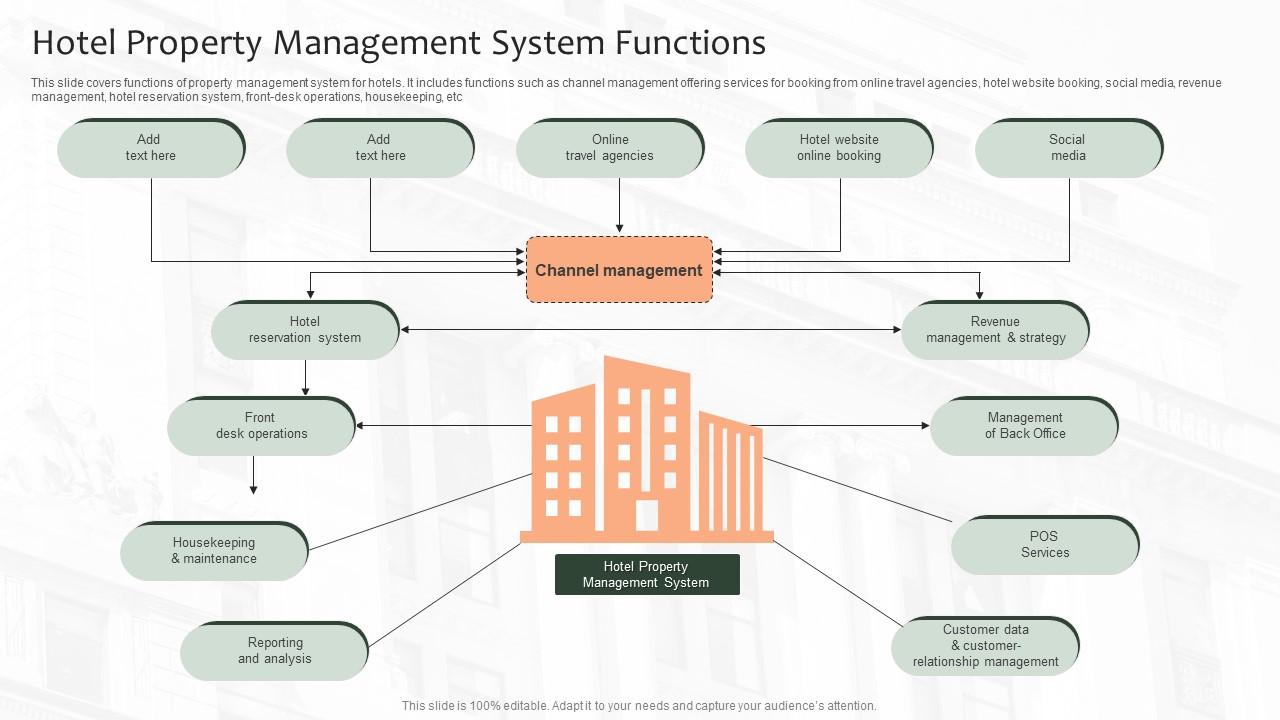
The Practical Framework of Professional Property Management
Based on over 17 years of rental investment data, adopting a proactive framework rather than a reactive approach to property issues allows full-service management firms to build structured systems that address every stage of the rental lifecycle. Having managed diverse residential portfolios through shifting market cycles, our field teams know that this organized framework ensures that the property is cared for, local housing regulations are followed, and tenant interactions remain objective and professional.
1. Targeted Property Marketing and Pricing Strategy
A property sitting vacant on the market represents immediate loss of momentum and revenue. Professional managers address this by conducting detailed market rent analyses to establish competitive, accurate pricing that attracts qualified prospects without sacrificing yield. They create comprehensive listings complete with high-resolution visual documentation and accurate property descriptions, distributing them across major digital networks to maximize visibility and shorten the leasing cycle.
2. Objective Tenant Screening and Placement
Protecting a real estate investment relies heavily on placing reliable residents. Property managers execute multi-tiered screening procedures that include verifying employment history, evaluating credit health, reviewing nationwide eviction records, and conducting direct references with previous landlords. This objective methodology removes personal bias from the selection process, establishing a stable baseline of residents who respect lease parameters and treat the property responsibly.
3. Structured Rent Collection and Cash Flow Management
Consistent operational cash flow is essential for managing mortgage obligations, insurance, and reserve accounts. Modern property management introduces secure online portals that simplify the payment process for tenants through automated recurring billing, direct ACH transfers, and electronic card options. Transparent lease terms and automated notices minimize late payments, delivering predictable monthly distributions straight to the owner’s account.
4. Preventive Maintenance and Vendor Network Coordination
Maintaining the structural integrity of a building requires ongoing maintenance and prompt solutions for sudden repair requests. Management agencies support owners by maintaining networks of vetted, fully insured contractors and service technicians. Due to the steady volume of work these firms manage, they frequently secure preferred operational rates, passing the cost savings directly to the property owner while keeping repairs compliant with municipal safety codes.
5. Standardized Property Inspections
Regular walkthroughs are crucial for confirming that residents are maintaining the interior and exterior of the home according to the agreed lease terms. Managers implement scheduled inspections, including detailed move-in baseline reports, routine mid-lease evaluations to detect hidden issues like slow plumbing leaks, and definitive move-out assessments. These evaluations protect the physical asset and provide clear documentation if deposit allocation questions arise.

6. Transparent Accounting and Financial Statements
An investment property operates much like a small business, requiring meticulous record-keeping for tax compliance and performance reviews. Through secure digital owner portals, management firms provide continuous access to detailed financial reporting, including monthly profit-and-loss balances, categorized expense reports, itemized maintenance invoices, and structured year-end documentation for simplified tax filing.
7. Regulatory Compliance and Legal Oversight
Residential leasing is governed by a shifting web of local, state, and federal guidelines, including Fair Housing guidelines and regional landlord-tenant statutes. Professional managers stay updated on these regulatory shifts, ensuring that lease documentation, safety compliance, and tenant notices meet precise legal standards. If a lease violation occurs, the firm manages the legal process directly, reducing financial exposure and keeping actions strictly inside legal parameters.
Real-World Impact: Case Study Insights
The practical value of these integrated services is best illustrated by documented operational turnarounds. For example, a recent case study from Meridian Property Management highlights how professional intervention successfully reduced a multi-family property’s vacancy timeframe from an average of 45 days down to just 9 days through localized digital marketing and optimized pricing strategies. Furthermore, the firm reported saving landlords between $3,500 and $5,000 in potential eviction fees and lost revenue by identifying high-risk applicants with hidden eviction histories early during the rigorous screening process.
Evaluating the Impact: Self-Management vs. Professional Oversight
Deciding between managing an asset personally or hiring a specialist involves looking at operational efficiency, legal risks, and market positioning. The table below outlines how these two paths compare across core operational areas:
| Operational Focus Area | Independent Self-Management Risks | Professional Management Solutions |
|---|---|---|
| Rental Valuation | Relying on guesswork can lead to prolonged vacancies or missed revenue. | Using direct local market data optimizes monthly pricing. |
| Applicant Evaluation | Incomplete screening background checks increase default risks. | Standardized, multi-layered background verification filters out risk. |
| Maintenance Response | Paying standard retail prices for unvetted emergency repairs. | Vetted vendor networks, bulk pricing, and 24/7 emergency dispatch. |
| Legal Compliance | Unintentional violations of housing codes or tenant rights. | Total adherence to state, federal, and local housing statutes. |
Conclusion: Optimizing Long-Term Real Estate Strategy
Hiring professional property management services changes the way you own real estate, turning a hands-on operational role into a strategic investment strategy. By assigning everyday operational tasks to dedicated professionals, owners protect the condition of their properties, stay compliant with changing laws, and enjoy the financial benefits of rental ownership with complete peace of mind.