
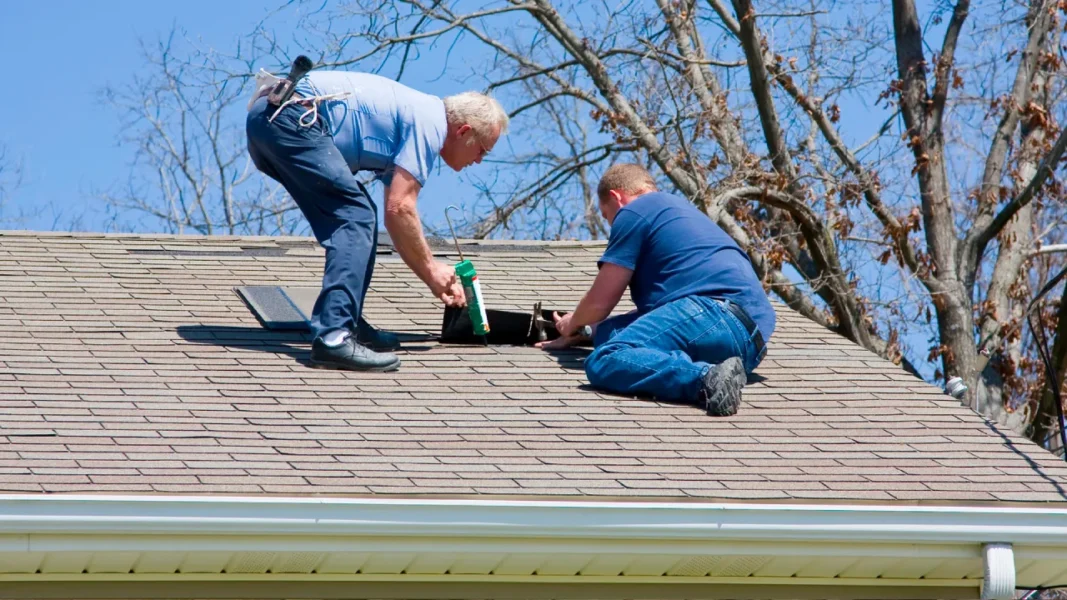
A durable roof is the most critical component of any property’s structural integrity. Whether you manage a bustling commercial facility or own a family home, your roof serves as the primary shield against unpredictable weather elements. For properties in the Pacific Northwest, choosing the right contractor ensures that this investment withstands shifting seasonal demands.
Companies like Signature Roofing set the benchmark for industry excellence, offering specialized expertise in residential roofing boise homeowners trust for premium roof repair, complete system replacement, and long-lasting performance across the Treasure Valley. By combining fast response times, exceptionally clean installations, clear communication, and high-quality results, professional contractors help safeguard your real estate assets for decades to come.
Hands-On Field Insights: Navigating Complex Roofing Realities
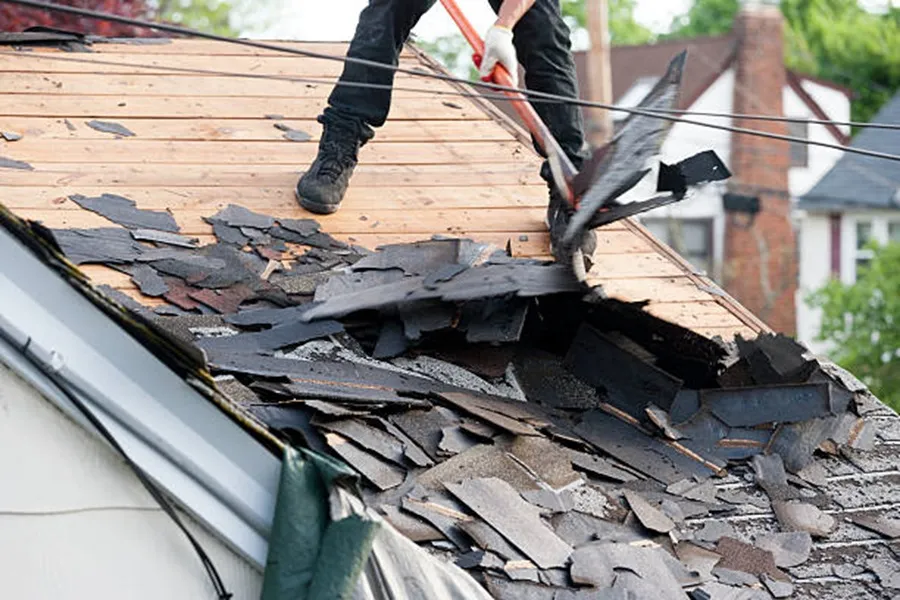
Decades of collective field experience across diverse residential and commercial job sites reveal that successful roofing relies on managing unseen structural variables. Observing thousands of tear-offs highlights a common reality: the true condition of a roof remains hidden until the old materials are completely stripped away. Experienced crews frequently encounter rotted plywood decking, compromised structural trusses, and deteriorated underlayments caused by historical, slow-moving leaks that never stained the interior ceiling. Addressing these issues immediately, rather than covering them up, forms the foundation of real property protection.
True installation mastery is demonstrated through precise execution at critical transition points. Decades of troubleshooting failing systems prove that over 90% of roof leaks do not originate in the field of shingles or membranes themselves. Instead, failures consistently occur around chimney flashings, valleys, skylights, and plumbing pipe boots. Handling these high-risk areas requires rigorous, hands-on mechanical skills—such as fabricating custom metal counter-flashing or hot-air welding commercial TPO seams at exact temperature thresholds—to guarantee a watertight seal that withstands extreme seasonal temperature shifts.
Key Differences Between Residential and Commercial Roofing Systems
While the fundamental purpose of any roof is protection, the engineering, materials, and architectural designs of residential and commercial structures differ significantly. Understanding these operational variances helps property owners make informed infrastructure decisions.
1. Architectural Design and Slope
Residential roofs typically feature steep slopes or high pitches. This design relies heavily on gravity to shed water, rain, and snow rapidly into gutter systems. Conversely, commercial buildings generally feature low-slope or entirely flat roof designs. Flat roofs require specialized engineering, dedicated internal drainage systems, scuppers, and precise tapering to prevent water from pooling and causing structural strain.
2. Material Composition and Application
Residential properties focus on aesthetics alongside durability, frequently utilizing asphalt shingles, architectural shingles, metal panels, or cedar shakes. Commercial roofing systems prioritize massive surface area protection, energy efficiency, and chemical resistance. Commercial materials generally involve single-ply membranes like TPO, EPDM, PVC, or multi-layered modified bitumen systems.
3. Installation Complexity and Scale
Residential installations are usually completed within a few days and focus on protecting residential living spaces. Commercial installations are large-scale projects that require detailed planning around heavy HVAC machinery, external piping, industrial ventilation systems, and strict safety regulations to avoid disrupting daily business operations.
Essential Residential Roofing Solutions for Homeowners
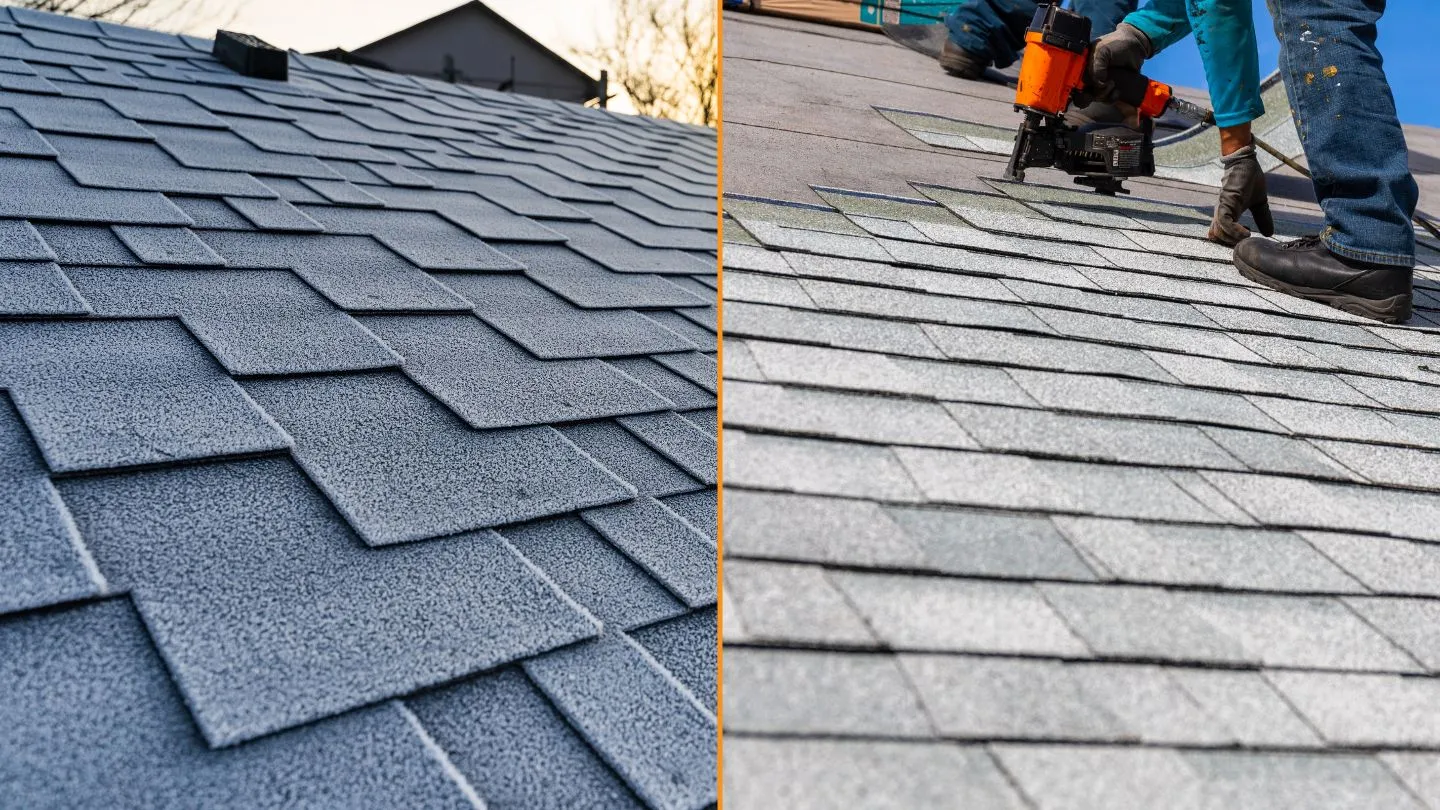
Maintaining a residential roof requires a proactive approach to prevent minor leaks from transforming into expensive structural damage.
Comprehensive Roof Inspections and Maintenance
Routine inspections, ideally performed biannually, identify hidden vulnerabilities. Professional roofers evaluate shingle condition, flashing integrity around chimneys, and structural ventilation health. Catching issues early extends the overall operational lifespan of the entire system.
Precision Roof Repair and Vent Upgrades
Storm damage, fallen debris, or localized wear require targeted repairs. Replacing missing shingles, resealing failing pipe boots, and repairing damaged valleys restores structural integrity without the immediate need for a full system replacement. Upgrading degraded plastic roof vents to heavy-duty metal alternatives further maximizes wind and weather resistance.
Complete Roof Replacement
When a roof reaches the end of its functional life—typically 20 to 25 years for standard asphalt shingles—a total tear-off and replacement becomes necessary. Modern replacement systems utilize advanced synthetic underlayments, ice and water shields, and premium standing seam metal or architectural materials that boost property curb value and optimize home energy efficiency.
Advanced Commercial Roofing Systems for Businesses
Commercial roof management directly impacts a business’s bottom line. Choosing the correct membrane system optimizes thermal performance and slashes building operational costs.
| System Type | Primary Benefits | Average Lifespan |
|---|---|---|
| TPO (Thermoplastic Polyolefin) | Highly reflective, energy-efficient, puncture-resistant | 15 – 20+ Years |
| EPDM (Ethylene Propylene Diene Monomer) | Extremely durable, UV resistant, cost-effective | 20 – 25+ Years |
| PVC (Polyvinyl Chloride) | Chemical resistant, fire-retardant, weldable seams | 20+ Years |
Commercial Roof Coatings and Restoration
For structurally sound commercial roofs experiencing surface wear, silicone or acrylic roof coatings offer an alternative to premature replacement. These fluid-applied membranes create a seamless, monolithic barrier that seals existing leaks, reflects solar radiation, and extends the roof’s operational life by a decade or more.
Crucial Local Context and Industry Accreditations
When selecting a roofer in Southwest Idaho, local expertise and factory credentials are the most critical factors for long-term project success. The region’s intense weather profile—ranging from heavy winter snow loads to triple-digit summer heat—demands precise architectural execution.
Geographic Service Areas
Top-tier local operations do not just cover central municipalities; they deploy in-house crews to actively support communities throughout the entire Boise-Nampa metropolitan area. A truly reliable local partner serves a wide geographic footprint, including:
- Ada County Hubs: Downtown Boise, Meridian, Eagle, Star, and Kuna.
- Canyon County & Beyond: Nampa, Caldwell, Middleton, and extended seasonal regions like McCall.
Manufacturing Accreditations
The highest level of consumer protection comes from factory-certified statuses, which allow contractors to offer extended multi-decade non-prorated material and labor warranties. Discerning property owners should seek out specific manufacturer credentials:
- Carlisle Centurion 100: Denotes elite, high-standard mastery in installing complex low-slope commercial single-ply membrane systems.
- Tesla Solar Roof Certified Installer: Validates advanced structural training required to integrate architectural solar glass tiles seamlessly into a home’s structural shell.
The Power of In-House Assets vs. Subcontracting
Many regional roofing outfits rely entirely on third-party subcontractors, leading to fragmented communication, scheduling conflicts, and compromised quality control. Industry leaders bypass this issue by utilizing dedicated, factory-trained, in-house crews who manage every step of the project. Furthermore, advanced contractors maintain a dedicated in-house metal shop. This asset allows for custom on-demand architectural metal fabrication, ensuring that custom valley flashing, complex commercial roof paver systems, standing seam metal roofs, metal wall paneling, and custom gutters are custom-tailored to the specific dimensions of your facility.
Selecting a Reliable Local Roofing Partner
A roofing system is only as good as the craftsmanship behind its installation. When vetting roofing contractors to protect your property, prioritize companies that emphasize the following operational values:
- Transparent Communication: Comprehensive, itemized estimates that break down material, labor, and warranty costs without hidden fees.
- Certified Project Expertise: Factory-certified installers who understand regional climate demands, specific wind-uplift ratings, and local building codes.
- Job Site Cleanliness: Dedicated clean-up protocols, utilizing magnetic sweeps to protect your family, employees, or customers from dangerous stray debris.
- Strong Warranty Packages: Provisions for both long-term manufacturer material warranties and robust workmanship guarantees.
Conclusion
Whether you are managing a commercial facility or protecting your family home, your roof demands professional care and premium materials. Investing in timely repairs, proactive seasonal maintenance, and professional replacement strategies guarantees long-term structural security. Partnering with trusted local experts ensures your property remains safe, secure, and energy-efficient through every season.
Frequently Asked Questions About Residential and Commercial Roofing
What is the difference between residential and commercial roofing?
The main differences between residential and commercial roofing are the roof slope, the materials used, and the installation complexity. Residential roofs usually have a steep slope and use asphalt shingles, metal panels, or wood shakes. Commercial roofs are typically flat or low-slope and use single-ply membranes like TPO, EPDM, or PVC to protect large surface areas and handle heavy industrial equipment.
How long does a residential asphalt shingle roof last?
A standard residential architectural asphalt shingle roof typically lasts between 20 to 25 years. The exact lifespan depends on local weather conditions, the quality of the installation, and how regularly the roof is inspected and maintained.
What are the signs that a roof needs to be repaired or replaced?
You should contact a roofing professional if you notice leaking ceilings, missing or curling shingles, cracked flashing around chimneys, or excessive shingle granules in your gutters. For flat commercial roofs, common signs of damage include pooling water, tears in the membrane, or failing seams.