
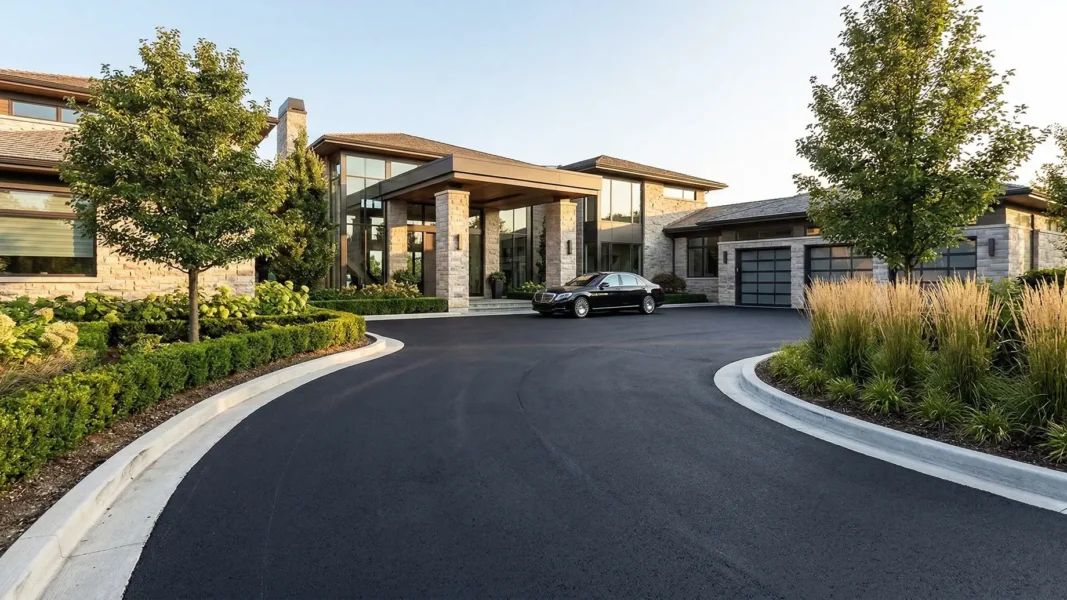
Asphalt is the backbone of modern infrastructure, providing smooth, durable, and cost-effective surfaces for vehicles and pedestrians alike. However, achieving a flawless finish that withstands heavy traffic and harsh weather requires specialized engineering and precise execution.
Choosing an experienced asphalt contractor is the most critical factor in ensuring the longevity of your pavement asset. For instance, companies like Sommerset Paving demonstrate industry-leading expertise by delivering comprehensive commercial, residential, and municipal asphalt solutions.
Their full-suite service capabilities range from brand-new installations and complex structural repairs to precision resurfacing and preventative sealcoating, helping property owners create highly durable, visually appealing driveways, parking lots, and municipal pathways built to last.
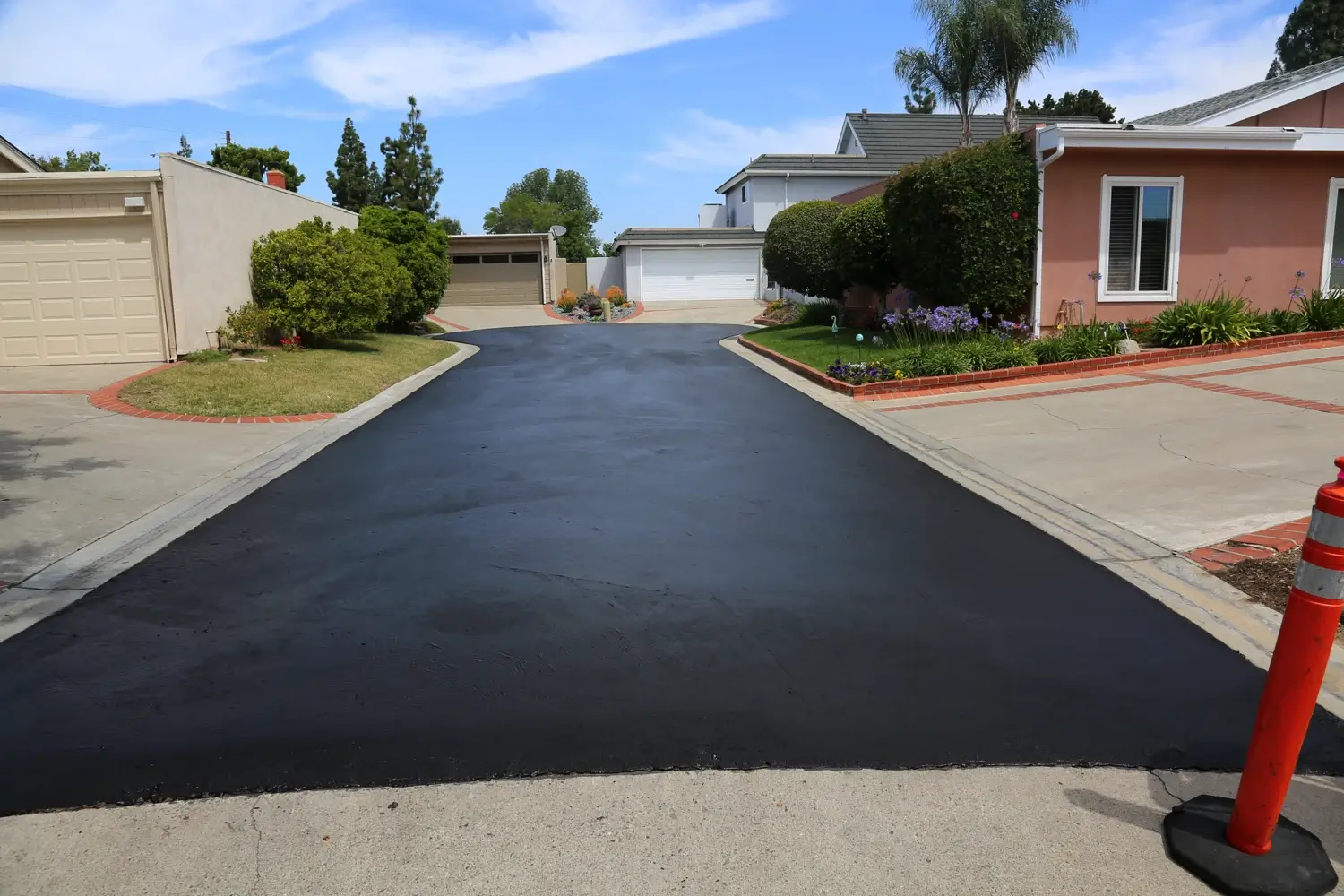
The Science of New Asphalt Installation
A premier asphalt installation is far more than just pouring hot mix over dirt. It is a multi-step engineering process designed to manage heavy load distribution and optimize water drainage, which is the primary enemy of paved surfaces.
1. Excavation and Site Grading
Every long-lasting surface relies on a stable foundation. Contractors must first excavate old, unstable materials and grade the underlying soil. Modern engineering mandates subgrade soil stabilization testing during this phase. Precision grading ensures that rainwater flows away from structures and toward designated drainage catch basins, preventing future pooling and subgrade erosion.
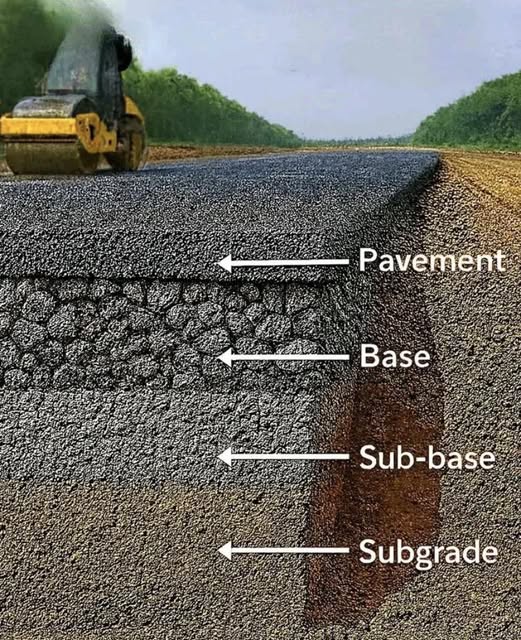
2. Sub-Base Aggregates and Geotextiles
The sub-base acts as the true load-bearing layer of your pavement. Thick layers of crushed aggregate stone are laid down and compacted tightly. For areas expecting heavy truck traffic, engineers integrate woven geotextile stabilization fabrics between the soil and the stone base. This layer provides structural integrity, prevents soil migration, and offers a flexible, frost-resistant platform that absorbs vehicle weight without shifting.
3. Asphalt Pouring and Compaction
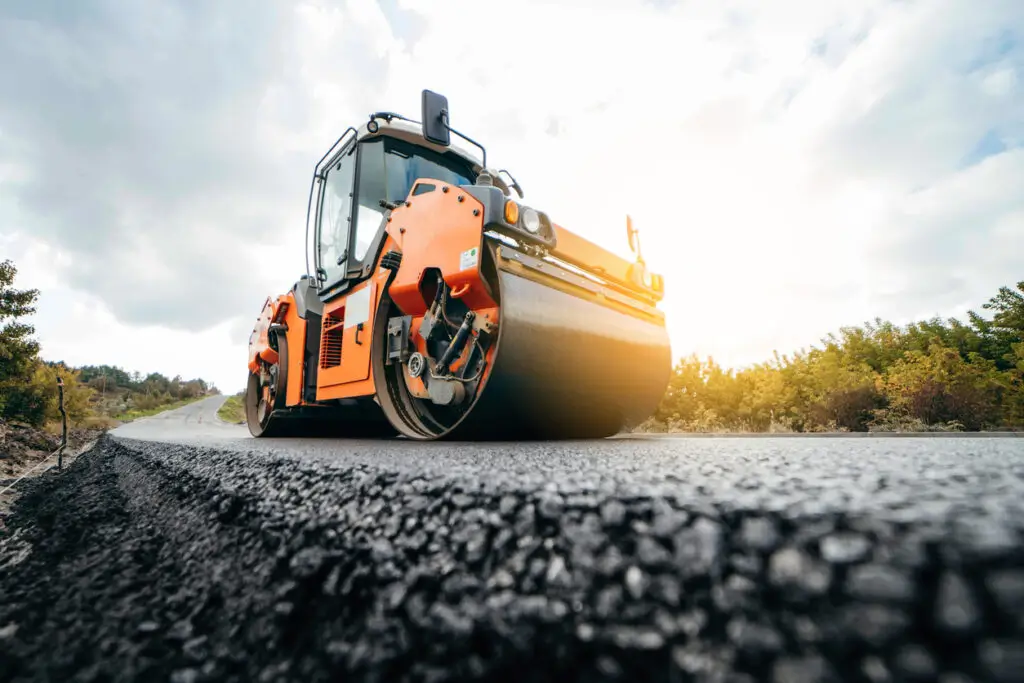
The top layers consist of hot-mix asphalt, applied at temperatures typically between 280°F and 320°F. Operators carefully balance the liquid bitumen binder ratio with targeted aggregate sizes depending on the required load-bearing capacity. Heavy steamrollers compact the aggregate-and-binder mixture down to a specific target density. This high-pressure compaction minimizes air voids, locking out moisture and forming a smooth, resilient driving surface.
Asphalt Deterioration: Why Pavement Fails
Over time, even the highest-quality asphalt undergoes natural wear and tear. Understanding the root causes of deterioration allows property managers and homeowners to intervene early with targeted repair strategies.
- UV Oxidation: Sun exposure breaks down the liquid asphalt binder, turning the pavement from a rich black to a brittle, easily cracked gray.
- Moisture Infiltration: Rain and melting snow seep into microscopic surface cracks, softening the underlying stone base.
- Freeze-Thaw Cycles: Water trapped inside cracks expands when frozen, fracturing the surrounding asphalt and rapidly creating deep potholes.
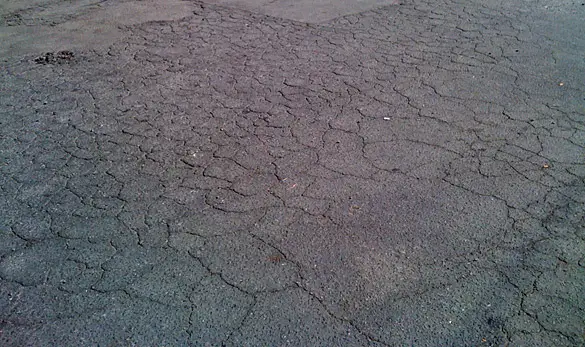
- Fatigue Cracking (Alligator Cracking): Interlocking cracks resembling reptile skin signify advanced sub-base structural failure. This occurs when heavy commercial trucks travel over areas with weak base support, causing irreversible sagging and deep stress fractures.
Professional Repair and Maintenance Strategies
Maintaining asphalt proactively saves property owners thousands of dollars by extending the lifespan of the pavement and avoiding premature, full-depth replacement costs.
Crack Filling and Sealing
Linear cracks are the earliest signs of pavement stress. Mechanics use rubberized, hot-pour crack fillers to seal these openings completely. This flexible barrier prevents water from routing beneath the surface, effectively halting the freeze-thaw degradation cycle in its tracks.
Infrared Asphalt Patching
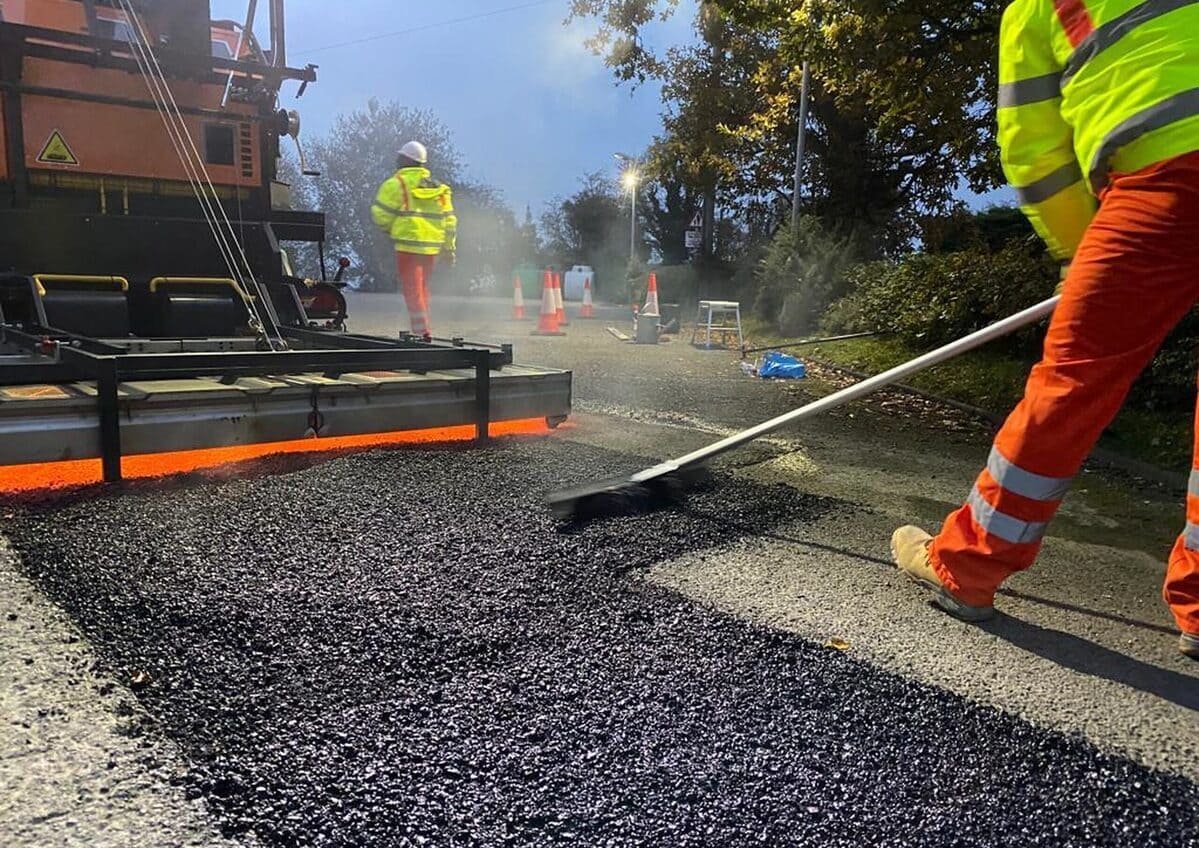
When localized areas begin to crumble or form deep potholes, patching is necessary. Traditional methods require digging out the area, but modern contractors often utilize infrared asphalt recycling technology. This process heats the existing damaged asphalt to 350°F, mixes it with a fresh rejuvenator and new hot-mix material, and packs it tightly back into place. This creates a seamless, thermal bond that eliminates the vulnerable joints found in traditional cold joints.
Asphalt Milling and Resurfacing (Overlay)
If the surface layer is heavily worn but the deep base layer remains structurally intact, an asphalt overlay is an ideal alternative. Specialized milling machines shave down the top one to two inches of old asphalt to maintain proper curb line reveals. When the entire structural profile is broken, contractors pivot to Full-Depth Reclamation (FDR), pulverizing all deteriorated layers into a new stabilized base. Otherwise, a fresh layer of hot-mix asphalt is laid directly over the milled surface, completely renewing the pavement at a fraction of the cost of new construction.
The Critical Role of Preventative Sealcoating
Sealcoating serves as a protective shield for asphalt surfaces, functioning much like varnish on exterior wood. It applies a liquid coating of coal tar, asphalt emulsion, or polymer-modified resins across the paved area.
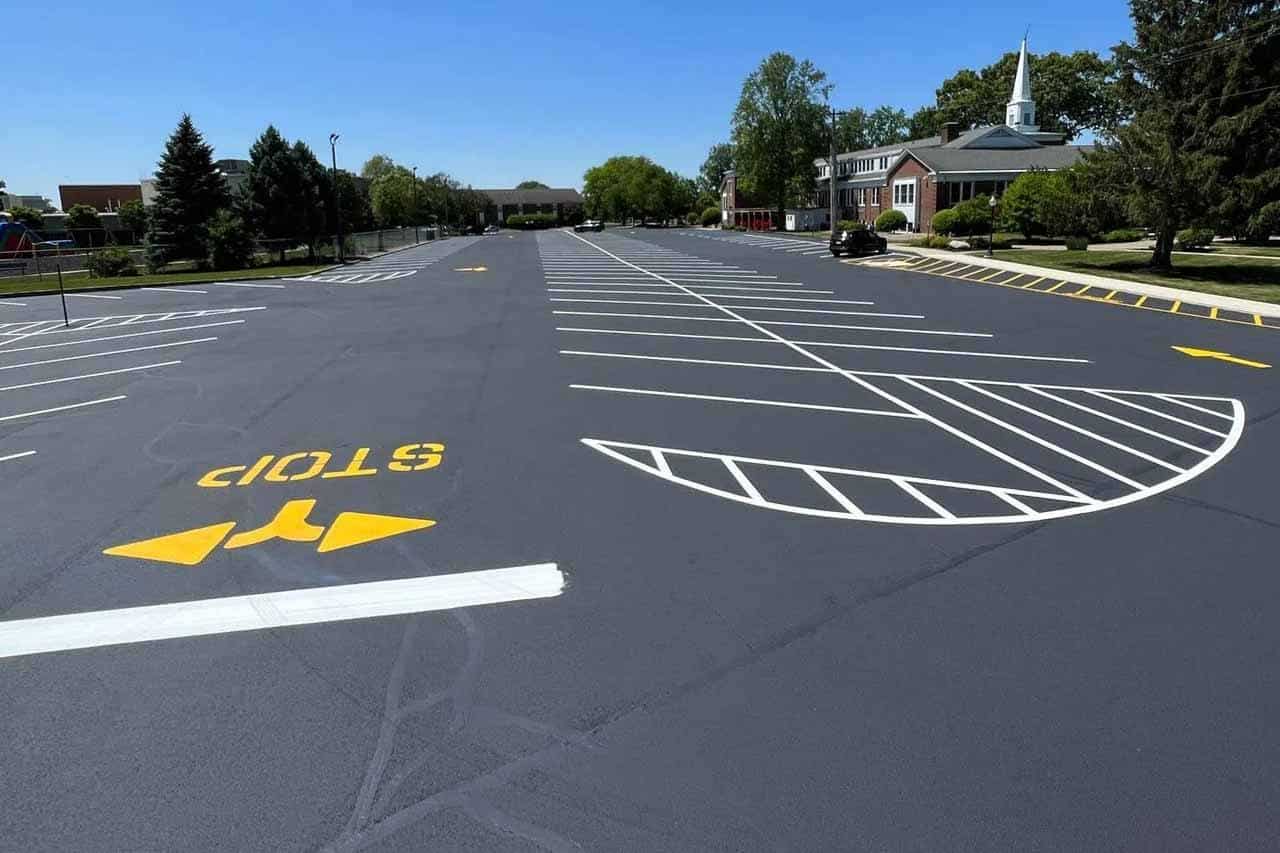
Property owners must choose between traditional refined coal tar sealers—known for high chemical resistance—and eco-conscious asphalt emulsion sealers, which emit significantly lower volatile organic compounds (VOCs). Regular sealcoating protects the binder against UV oxidation and resists chemical fluid spills like oil or gasoline. Additionally, it restores the deep, dark black aesthetics of the lot, allowing for crisp, highly visible traffic paint striping that ensures ADA compliance (Americans with Disabilities Act) and vastly improves parking lot safety.
Understanding Asphalt Paving Costs
The total investment for an asphalt project varies based on the scope, thickness requirements, and structural load needs of the property. Below is an overview of the current average national pricing structures across sectors:
Residential Paving Costs
For typical residential applications like driveways, standard paving costs generally range from $7 to $13 per square foot for brand-new installations over freshly prepared sub-bases. If an existing driveway requires demolition, haul-away, and subgrade adjustments, costs can rise between $8 and $15 per square foot. For driveways with sound bases that only require a surface renewal, an overlay or resurfacing costs roughly $3 to $7 per square foot.
Commercial Paving Costs
Commercial paving projects benefit from economies of scale but often require thicker applications to handle heavier weight loads. Basic commercial parking lot or driveway installations average between $4 and $10 per square foot. Total project figures are calculated through standard component breakdowns: materials usually account for $3 to $10 per square foot, labor runs between $2 and $6 per square foot, and extensive site clearing or engineering adjustments adds an extra $1 to $3 per square foot. Long-term preventative maintenance like sealcoating remains highly cost-effective, running approximately $0.20 to $0.30 per square foot.
Pavement Assessment: When to Repair vs. When to Replace
Property owners often wonder whether to keep patching old asphalt or invest in a full replacement. A reliable rule of thumb is the 30% Threshold Rule. If less than 30% of the entire asphalt footprint suffers from deep structural cracks or potholes, target localized repairs, milling overlays, and preventative sealcoating. However, if more than 30% of the pavement exhibits deep alligator cracking or base failure, a full excavation and new asphalt installation becomes the most cost-effective long-term solution.
Tailored Paving Across Different Sectors
Different properties present entirely unique asphalt construction and maintenance challenges:
- Residential: Focused on matching home aesthetics, managing tight property line transitions, and creating smooth driveway entries.
- Commercial: Demands robust heavy-duty asphalt mixes to withstand constant traffic, along with strategic scheduling to minimize business downtime.
- Municipal: Requires strict adherence to public safety standards, precise utility adjustments, and building durable walking paths, roads, and suburban roundabouts.
Conclusion
Investing in professional asphalt paving and timely repair services is essential for protecting your property value and ensuring safe traffic flow. From initial site excavation to preventative maintenance like sealcoating, every step requires a balance of proper materials and technical skill. By partnering with a dedicated, communicative contractor, you can maintain pristine, high-performing pavement surfaces for decades to come.