
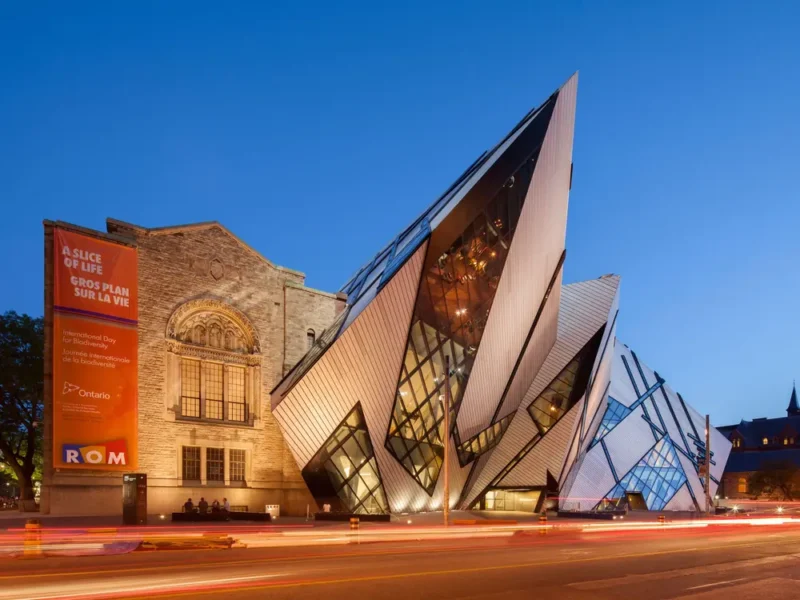
Embarking on a modern construction venture requires balancing aesthetic vision with technical precision. Top-tier design firms offer specialized expertise spanning residential renovations, complex commercial developments, and institutional projects, as showcased by studios creating concepts like Minimalist Mountain Modern structures. Modern architectural workflows manage every facet of development by integrating architectural design, interior design, structural engineering, feasibility studies, and direct project management. Navigating local planning approvals and building permits protects property owners from budget overruns while taking a physical structure from initial concept to completion efficiently and successfully.
The Framework of Modern Architectural Design
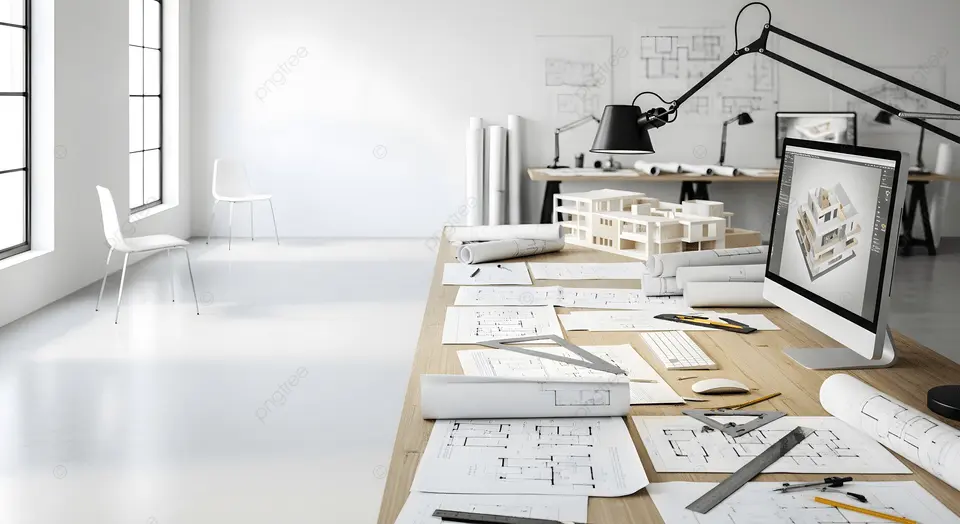
Architectural design goes beyond drafting blueprints; it defines how a structure interacts with its environment and serves its occupants. Comprehensive design firms analyze spatial dynamics, environmental factors, and building longevity early in the drafting phase. This stage translates a client’s ideas into buildable, structurally sound configurations, striking a balance between innovative aesthetics and building science.
Advanced practices utilize Building Information Modelling (BIM) to generate intelligent three-dimensional representations. These systems allow design teams to run digital solar studies, model thermodynamic behaviors, and evaluate acoustic qualities before manufacturing physical building materials. By testing real-world stresses in a virtual environment, designers prevent field errors, reduce waste, and build structures optimized for their exact microclimate.
Specialized Project Sectors and Tailored Design Frameworks
Different build types require distinct planning, zoning compliance, and operational priorities. A comprehensive architectural approach ensures that sector-specific demands are integrated directly into the initial blueprints.
Residential Renovations and Custom Builds
Residential architecture prioritizes human scale, daily utility, and personal comfort. Whether managing historic residential renovations or crafting custom modern dwellings, designers must maximize spatial flow and optimize natural light. This sector demands close coordination with local residential zoning laws, property setback regulations, and neighborhood character codes to deliver highly personalized homes that retain long-term market value.
In addition to spatial layouts, modern residential architecture focuses on updating building envelopes to meet strict energy standards. Renovations frequently focus on removing thermal bridges, updating insulation barriers, and integrating smart HVAC automation. These deep structural interventions preserve the historical character of older homes while significantly reducing seasonal energy costs.
Commercial Developments and Retail Spaces
Commercial builds center heavily on operational efficiency, consumer traffic flow, and scalable brand representation. Offices, retail establishments, and mixed-use structures must balance open spatial configurations with strict safety requirements. Commercial project planning emphasizes strict adherence to regional building accessibility standards, structural load limits for high-traffic environments, and strategic mechanical planning to lower long-term operating costs.
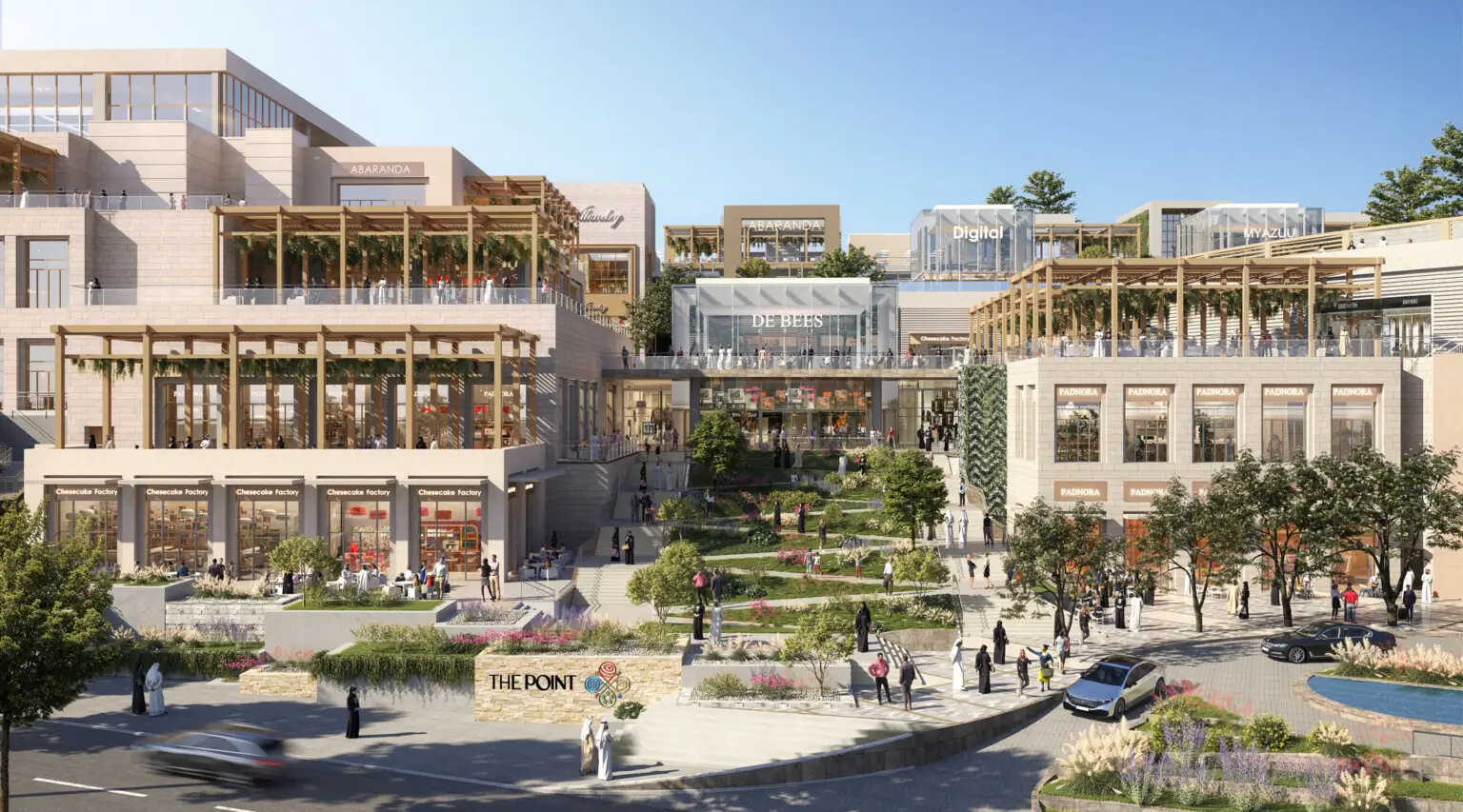
Furthermore, commercial properties must adapt to shifting economic environments. Smart commercial design incorporates adaptive structural grids and demountable interior wall systems. This foresight allows an office floor to rapidly transform into a collaborative retail footprint, protecting the client’s financial investment against changing market demands over time.
Institutional Projects and Civic Infrastructure
Schools, healthcare facilities, and public infrastructure demand the highest levels of structural durability and community accountability. Institutional projects must accommodate diverse user groups while standing up to decades of rigorous use. Architects working in this sector focus on universal design access, maximum fire safety containment, robust building security, and integration with public municipal grids through highly coordinated engineering workflows.
These large-scale projects also require deep Life-Cycle Cost Analysis (LCCA). Because public assets are funded through community investments, choice of materials must prioritize lifetime maintenance costs over cheap upfront purchase options. Architects select heavy-duty, low-emission materials and integrate renewable energy grids to ensure public facilities remain self-sustaining assets for generations.
Strategic Project Planning and Feasibility Studies
Every successful build starts with thorough project planning and early-stage feasibility studies. Assessing regulatory boundaries, structural requirements, and financial parameters helps identify potential project challenges before ground is broken. Incorporating structural engineering parameters into early architectural concepts ensures the physical structure is safe, functional, and optimized for long-term durability.
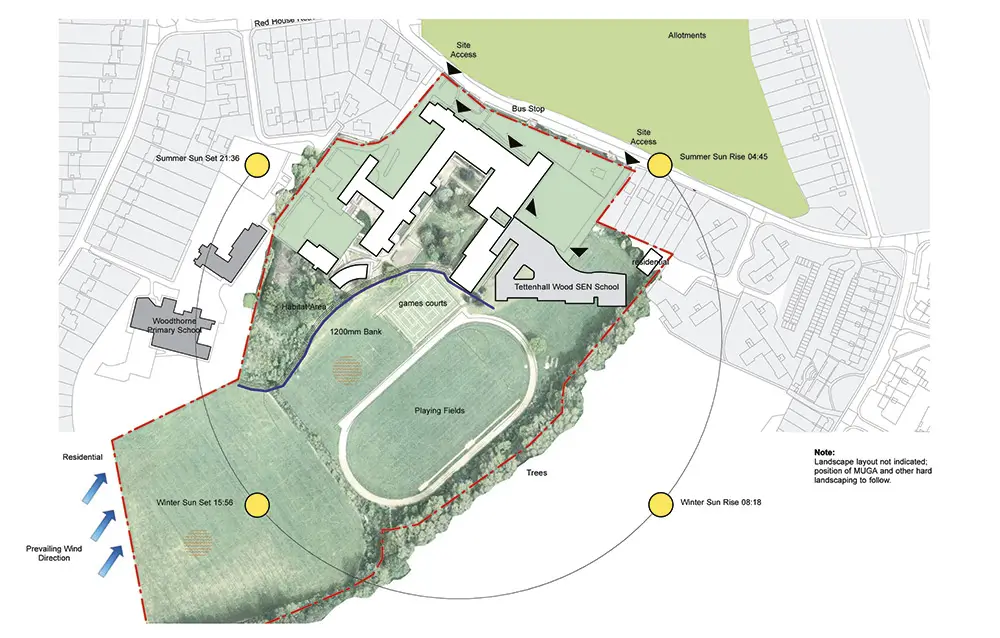
A rigorous feasibility assessment identifies hidden site variables such as poor soil bearing capacity, historical water tables, and complex utility easements. Uncovering these technical details before construction begins lets structural engineers design specialized foundational components, such as micro-piles or deep mat slabs, preventing costly field corrections and project delays.
Key Stages of Complete Project Execution:
- Feasibility Assessments: Validates land use, environmental zoning, and structural constraints.
- Cohesive Space Planning: Synchronizes structural engineering with interior design layout requirements.
- Regulatory Alignment: Coordinates submissions for municipal planning approvals and building permits.
- On-Site Management: Maintains strict project management to protect timelines and ensure build quality.
Interior Design Integration
A building’s exterior presence must harmonize with its interior spaces. Seamlessly combining interior design with the broader architectural framework delivers cohesive lighting, smart materials, and practical room layouts. This unified approach creates functional spaces tailored for corporate, residential, or public utility environments.
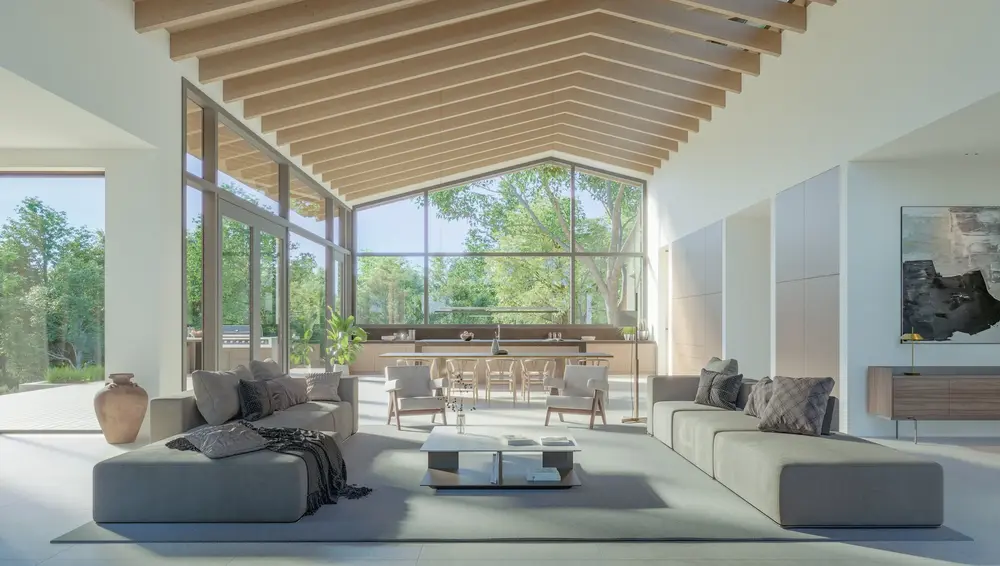
This integration extends to the specification of non-toxic, sustainable materials that improve indoor air quality (IAQ) and promote overall wellness. Designers optimize interior spatial pathways to encourage movement while using acoustic dampening panels and strategic lighting placement to manage noise and stress. The result is an interior that actively boosts user productivity and mental comfort.
Permits, Planning Approvals, and Project Management
Navigating municipal planning approvals and securing local building permits is often one of the most complex phases of project planning. Dedicated architectural management professionals manage these interactions with local authorities, ensuring compliance with strict regional safety guidelines, environmental regulations, and zoning codes. This oversight minimizes regulatory delays, allowing projects to advance through construction phases efficiently and securely.
During active construction, dedicated project management safeguards client interests through regular construction administration. This includes reviewing shop drawings, approving material samples, and conducting detailed on-site reviews to check contractor compliance with contract documents. This continuous quality control loop reduces builder errors, keeps expenditures within budget limits, and delivers a finished structure that matches the original design intent.