
Denver’s climate is one of the most demanding environments for asphalt surfaces in the entire country. With over 300 days of sunshine annually, dramatic temperature swings between seasons, and heavy snowfall followed by rapid thaws, parking lots in the Mile High City endure a relentless cycle of expansion, contraction, and moisture infiltration. For property owners and facility managers, understanding the full scope of what it takes to preserve asphalt surfaces is not just a matter of aesthetics — it is a critical investment in safety, liability management, and long-term property value.
The Unique Challenges Denver’s Climate Poses to Asphalt
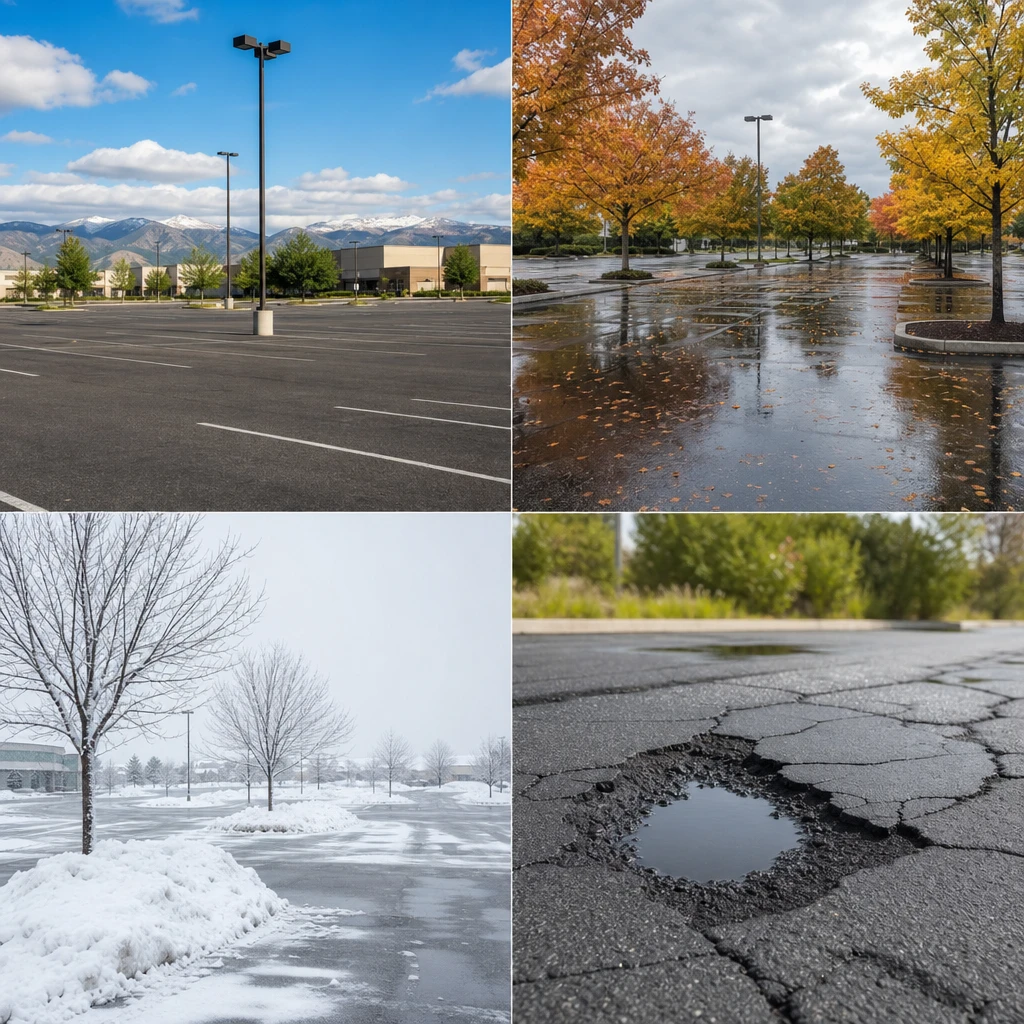
Unlike coastal cities where temperatures remain relatively stable, Denver experiences what pavement engineers call freeze-thaw cycling. Water seeps into minor surface cracks during warmer periods, then freezes and expands as temperatures drop overnight. This process, repeated dozens of times throughout autumn and winter, gradually widens cracks into potholes and destabilizes the structural base beneath the asphalt. The result is accelerated deterioration that, if left unaddressed, can compromise an entire parking surface within just a few seasons.
Beyond freeze-thaw damage, Denver’s intense UV radiation is a silent but persistent threat. Ultraviolet rays break down the binding agents in asphalt, causing oxidation that turns surfaces brittle and gray. Once oxidation sets in, the pavement loses its flexibility and becomes far more susceptible to cracking under the weight of vehicles. This is why proactive sealcoating — applied before visible damage appears — is considered one of the most cost-effective strategies in any comprehensive maintenance plan.
How Deicing Chemicals Accelerate Surface Degradation
Many Denver property managers rely heavily on chemical deicers during winter months to keep parking areas safe for pedestrians and vehicles. While effective at melting ice, these chemicals — particularly chloride-based compounds — can penetrate asphalt surfaces and weaken the bond between aggregate and binder. Over time, this leads to raveling, a condition where the surface layer begins to shed small stones and lose its cohesion. Selecting the right deicing products and pairing their use with a robust sealcoating schedule can significantly reduce this type of chemical-induced wear.
Core Components of a Comprehensive Maintenance Strategy
Effective parking lot upkeep is never a single-service solution. It requires a layered approach that addresses both immediate damage and long-term structural integrity. The most successful maintenance programs typically combine several key services delivered at strategic intervals throughout the year.
Crack Sealing: The First Line of Defense
Crack sealing is widely regarded as the most important preventive measure available to property owners. When cracks are sealed promptly — ideally before they reach a quarter inch in width — water and debris are prevented from penetrating the base layers. Hot-pour rubberized sealants are particularly effective in Denver’s climate because they remain flexible across a wide temperature range, accommodating the natural movement of the pavement without breaking the seal. Delaying crack treatment, even by a single season, can allow minor fissures to evolve into structural failures that require far more expensive repairs.
Sealcoating: Protecting the Surface Investment
Sealcoating serves as a protective barrier against UV radiation, water infiltration, and chemical exposure. Applied every two to three years depending on traffic volume and surface condition, a quality sealcoat restores the rich black appearance of asphalt while extending its functional lifespan by several years. Timing matters considerably in Denver — sealcoating should be applied during warmer months when temperatures consistently exceed 50 degrees Fahrenheit and no rain is forecast for at least 24 hours after application.
Pothole Repair and Patching
Potholes are not merely cosmetic problems. They create genuine safety hazards for pedestrians and can cause vehicle damage that exposes property owners to liability claims. Infrared patching technology has become increasingly popular for pothole repair because it heats the existing asphalt, allowing new material to bond seamlessly with the surrounding surface rather than simply filling a void. This produces a more durable repair that resists future cracking along the patch edges. For professional parking lot maintenance in Denver, working with experienced contractors who understand local soil conditions and climate variables makes a measurable difference in the longevity of every repair.
Striping, Drainage, and ADA Compliance
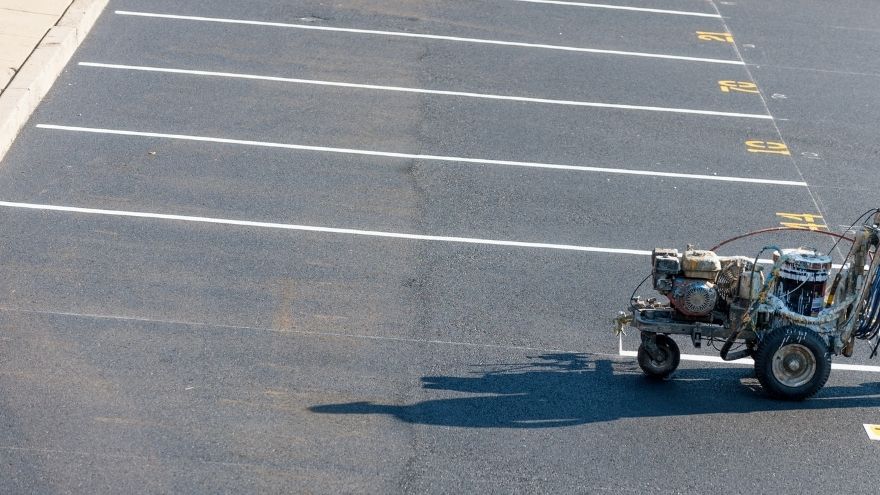
A well-maintained parking lot is about more than surface integrity. Line striping ensures efficient traffic flow, maximizes parking capacity, and communicates clear directional guidance to drivers. Faded or missing markings are a common source of accidents and confusion in commercial parking areas. Fresh striping, applied after sealcoating, dramatically improves the overall appearance and functionality of any lot.
Drainage is another frequently overlooked element. Poor drainage allows standing water to accumulate, accelerating both freeze-thaw damage and oxidation. Ensuring that catch basins are clear, that surface grades direct water away from the pavement, and that curbing is intact are all essential components of a thorough maintenance inspection. ADA compliance — including properly marked accessible spaces, ramps, and signage — must also be reviewed regularly, as requirements can change and surfaces shift over time.
Innovative Design Trends Influencing Modern Paving
While functional maintenance remains the priority for most commercial property owners, the broader world of pavement and surface design is evolving in fascinating directions. Architects and urban planners are increasingly exploring how paved surfaces can serve aesthetic and environmental purposes simultaneously. A compelling example of this trend can be seen in Zaha Hadid Architects’ ocean wave paving design for a Chinese plaza renovation, which demonstrates how thoughtful surface design can transform utilitarian spaces into visually striking public environments. These innovations are gradually influencing how commercial developers think about parking and pedestrian areas as integrated design elements rather than purely functional afterthoughts.
Choosing the Right Contractor for Denver Properties
Not all asphalt contractors possess the same depth of experience with Denver’s specific environmental conditions. Property owners should look for companies with demonstrated expertise in cold-climate paving, a clear understanding of local soil composition, and a track record of delivering durable results across multiple seasons. Requesting references from comparable commercial properties, reviewing before-and-after documentation, and confirming that contractors carry appropriate licensing and insurance are all prudent steps before signing any service agreement.
For property owners seeking guidance on broader asphalt paving and repair services, understanding the full range of available treatments — from surface overlays to full-depth reclamation — helps ensure that maintenance decisions are aligned with both budget constraints and long-term performance goals.
About Asphalt Coatings Company
Asphalt Coatings Company has built a strong reputation across the Denver metro area by delivering reliable, high-quality pavement maintenance services to commercial, industrial, and municipal clients. Their team brings deep familiarity with Colorado’s demanding climate conditions and applies that knowledge to every project, from routine sealcoating applications to complex structural repairs. With a commitment to using industry-leading materials and proven techniques, the company helps property owners protect their asphalt investments and maintain safe, attractive surfaces throughout the year.
Conclusion: Proactive Care Pays Dividends
Denver’s parking lots face environmental pressures that make neglect an expensive proposition. The cost of preventive maintenance — crack sealing, sealcoating, timely pothole repair, and proper drainage management — is consistently far lower than the cost of full pavement reconstruction. Property owners who commit to a structured, annual maintenance schedule protect not only their physical assets but also the safety of everyone who uses their facilities. In a city where weather extremes are the norm rather than the exception, proactive pavement care is not optional — it is essential.