
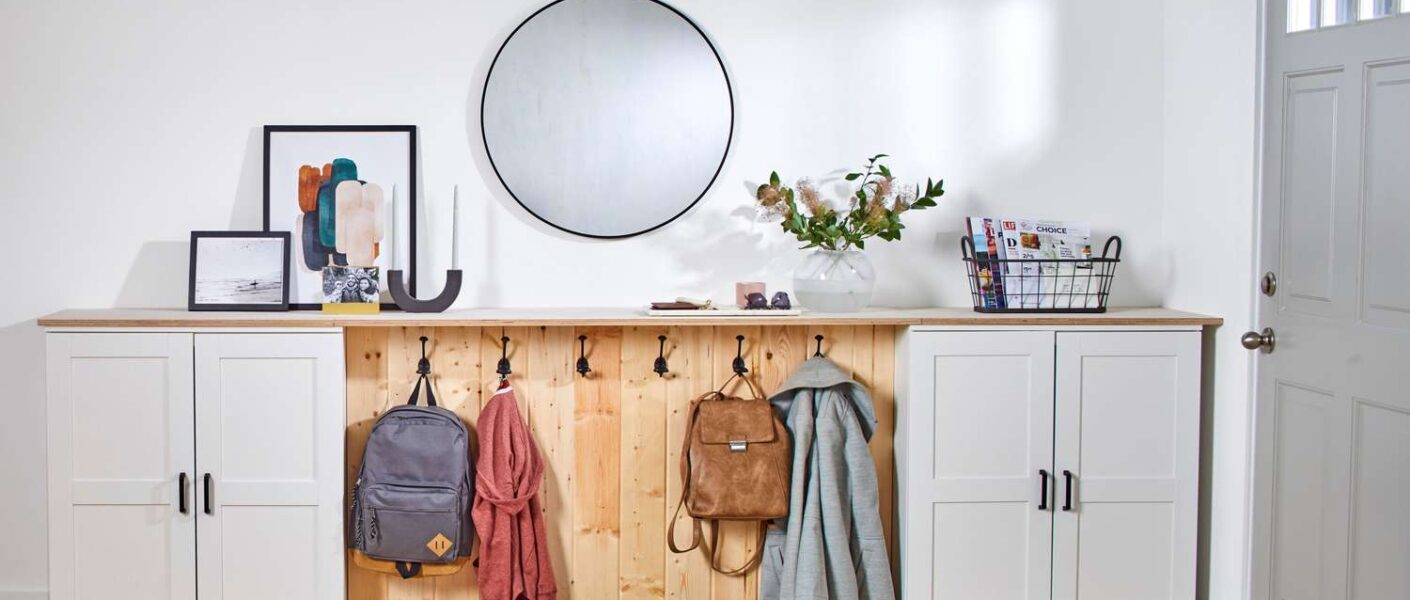
Your entryway is the first space you see when you return home and the first area guests notice when they visit. However, it can quickly become overcrowded with shoes, coats, bags, umbrellas, keys, and other everyday essentials. Without proper organization, even a beautifully decorated entrance can feel messy and uninviting.
Creating a clutter-free entryway does not necessarily require a major renovation or an expensive investment. With practical storage solutions, thoughtful furniture choices, and simple organizational habits, you can transform your entrance into a functional and welcoming space.
Whether you have a spacious hallway or a compact apartment entrance, the following tips will help you maintain an organized entryway that complements your home and simplifies your daily routine.
1. Start by Decluttering Your Entryway
The first step toward creating an organized entrance is removing unnecessary items. Take everything out of your entryway and determine which belongings genuinely need to remain there.
Old shoes, unused bags, unnecessary paperwork, and seasonal accessories often accumulate near the front door. These items occupy valuable space and make it difficult to find everyday essentials.
Divide your belongings into categories such as items to keep, relocate, donate, or discard. Keep frequently used belongings within easy reach and move everything else to appropriate storage areas elsewhere in your home.
Starting with a clean and empty space also allows you to understand your entryway’s layout and identify suitable storage opportunities.
2. Invest in Practical Shoe Storage
Shoes are among the biggest contributors to entryway clutter. When multiple pairs are scattered across the floor, they create visual distractions, occupy walking space, and make cleaning more difficult.
A dedicated shoe storage solution can significantly improve the appearance and functionality of your entrance. Explore options such as shoe cabinets, compact racks, and enclosed organizers from HomeyFad shoe storage to find a solution that suits your available space and household requirements.
For narrow entryways, consider slim cabinets that maximize vertical space without extending too far into the hallway. Larger entrances may accommodate storage benches or wider shoe racks.
Keep frequently worn footwear near the entrance and store occasional or seasonal shoes elsewhere. This simple approach prevents overcrowding while keeping your daily footwear easily accessible.
3. Make the Most of Vertical Space
When floor space is limited, vertical storage can make a significant difference. Walls provide valuable opportunities for organizing belongings without making the entrance feel cramped.
Install wall-mounted hooks for jackets, handbags, hats, and scarves. Floating shelves can provide additional storage for small accessories, decorative baskets, and everyday essentials.
You can also install a wall-mounted organizer with separate compartments for keys, letters, and sunglasses. Choose a height that is convenient for everyone in your household.
Using vertical space effectively keeps frequently used items accessible while maintaining an open floor area. It is particularly beneficial for apartments and smaller homes where every inch of available space matters.
4. Choose Multifunctional Furniture
Multifunctional furniture is an excellent choice for creating a clutter-free entryway. Instead of filling the space with several separate furniture pieces, select designs that serve multiple purposes.
A storage bench, for example, provides a comfortable place to sit while putting on shoes and offers additional space for storing footwear or accessories. A console table with drawers can hold keys, wallets, and other small belongings while providing a surface for decorative elements.
Furniture with concealed storage is particularly useful because it hides everyday clutter and creates a cleaner appearance.
Before purchasing furniture, measure your entryway carefully. Ensure that each piece fits comfortably without obstructing doorways, restricting movement, or overwhelming the space.
5. Create a Designated Drop Zone
Many entryways become cluttered because household members do not have a designated place to leave their belongings when they arrive home.
Creating a dedicated drop zone encourages everyone to develop better organizational habits. A small tray, basket, or drawer can serve as a convenient location for keys, wallets, sunglasses, and other frequently used items.
Consider assigning individual storage compartments or hooks to each family member. This makes it easier to locate personal belongings and prevents items from accumulating on shared surfaces.
A designated drop zone also helps streamline busy mornings. Instead of searching throughout the house for misplaced essentials, you can find everything you need in one convenient location.
6. Use Baskets and Storage Containers
Decorative baskets and storage containers offer a simple way to manage smaller belongings that might otherwise contribute to clutter.
Use baskets to store gloves, scarves, reusable shopping bags, pet accessories, and other everyday items. Matching containers can create a coordinated appearance while keeping miscellaneous belongings neatly concealed.
Woven baskets are ideal for creating a warm, natural look, while fabric bins and minimalist containers work well in contemporary interiors.
Labeling storage containers can also help family members understand where items belong. This is particularly useful in busy households with children.
Choose appropriately sized containers and avoid overfilling them. Regularly review their contents to prevent unnecessary belongings from accumulating.
7. Keep Seasonal Items Under Control
Seasonal belongings can quickly overwhelm an entryway if they remain there throughout the year. Heavy winter coats, boots, umbrellas, and summer accessories should be rotated according to your current needs.
Store out-of-season belongings in bedroom closets, under-bed storage containers, or other designated areas. Keep only the items appropriate for the current weather near your front door.
This practice frees up valuable storage space and makes everyday essentials easier to access.
Review your entryway at the beginning of each season and remove anything that is no longer required. Seasonal organization is a practical habit that prevents clutter from building up over time.
8. Incorporate Minimalist Decorative Elements
An organized entryway does not have to look plain or lack personality. Carefully selected decorative elements can make the space feel welcoming without contributing to unnecessary clutter.
A wall-mounted mirror, small indoor plant, attractive rug, or framed artwork can enhance the appearance of your entrance. Mirrors are particularly useful in compact spaces because they reflect light and can make the area appear more spacious.
Choose neutral colors or a coordinated color palette to create a visually balanced environment.
Avoid overcrowding shelves and console tables with excessive decorative accessories. A few thoughtfully chosen pieces can create a stronger visual impact while maintaining a clean and sophisticated appearance.
9. Improve Lighting and Maintain Clear Walkways
Good lighting plays an important role in making your entryway feel comfortable and inviting. A poorly lit entrance can appear smaller and less organized, even when everything is stored properly.
Consider installing ceiling lights, wall sconces, or a compact table lamp to brighten the space. Where possible, allow natural light to enter without obstruction.
Keeping walkways clear is equally important. Avoid placing oversized furniture, loose footwear, or storage containers in areas where people regularly walk.
An open, well-lit entryway improves accessibility, makes cleaning easier, and creates a more pleasant experience for both household members and visitors.
10. Establish a Daily Organization Routine
Maintaining a clutter-free entryway requires consistent habits rather than occasional intensive cleaning.
Spend a few minutes each day returning shoes to their storage area, hanging coats, organizing accessories, and removing unnecessary paperwork. Encourage everyone in your household to follow the same routine.
A weekly review can help identify items that no longer belong near the entrance. Wipe down furniture, clean the floor, and empty any baskets or trays containing unnecessary belongings.
When organization becomes part of your everyday routine, maintaining a tidy entryway becomes much easier and requires less effort.
Final Thoughts
Creating a clutter-free entryway is about combining practical organization with thoughtful interior design. By investing in suitable storage, maximizing vertical space, choosing multifunctional furniture, and establishing consistent habits, you can transform your entrance into a welcoming and functional area.
Start with small improvements and gradually develop an organizational system that suits your household’s lifestyle. A tidy entryway not only enhances your home’s appearance but also simplifies daily routines, reduces unnecessary distractions, and creates a positive first impression.
With the right approach, your entryway can remain stylish, comfortable, and beautifully organized throughout the year.
