
Commercial roofing decisions in 2026 continue requiring careful long-term planning as Texas facility managers balance installation costs, maintenance forecasting, weather exposure, and operational efficiency. Severe heat, hail activity, labor fluctuations, and rising insurance requirements all influence how commercial roofing systems perform across Austin, Houston, San Antonio, Lubbock, Midland, Corpus Christi, and surrounding commercial markets.
Property owners evaluating a commercial roofing contractor in Texas now focus heavily on lifecycle value instead of short-term installation pricing alone. Platinum Roofing provides commercial roofing solutions across the U.S., with a dedicated focus on Texas and Arkansas. Long-term roofing performance increasingly depends on material durability, maintenance planning, contractor qualifications, and energy efficiency strategies tailored to each facility.
Roofing Material Durability Considerations
Material lifespan remains one of the most important parts of commercial roofing planning.
- Single-Ply Membrane Performance: TPO and PVC roofing systems continue to remain common choices for low-slope commercial facilities because of their balance between durability and maintenance efficiency.
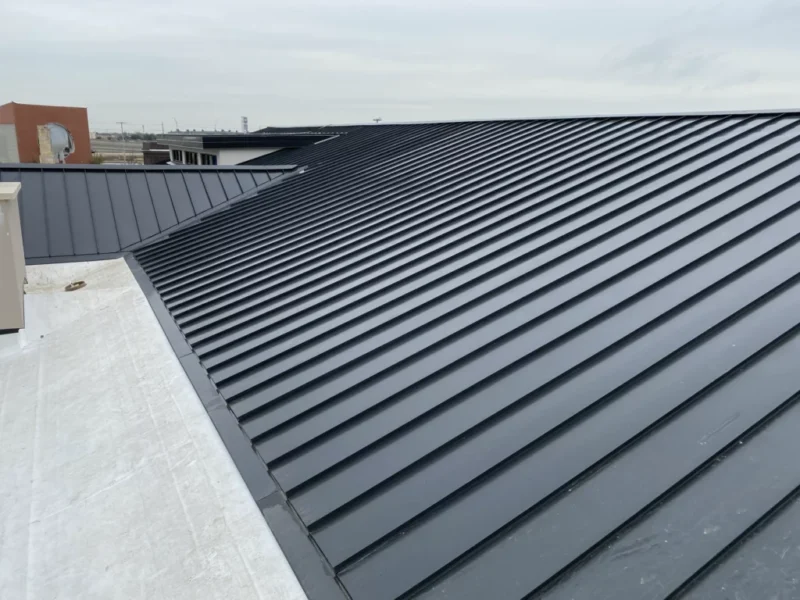
- Metal Roofing Longevity: Commercial metal roofing systems frequently deliver longer service life when installed and maintained correctly.
- Roof Coating Restoration Potential: Reflective roof coatings may help extend existing roof system performance while supporting preventative maintenance strategies.
- Weather Resistance Factors: Roofing materials exposed to repeated hail, ultraviolet exposure, and thermal movement require stronger seam and flashing performance.
- Lifecycle Cost Evaluation: Durable roofing systems often reduce long-term emergency repair frequency and operational disruption exposure.
Commercial roofing contractors in Houston, TX, regularly evaluate weather-related wear because thermal stress and storm exposure remain major contributors to roofing deterioration.
Installation and Maintenance Cost Planning
Installation and maintenance forecasting strongly influence long-term roofing value.
- Labor Efficiency: Roofing systems requiring faster installation timelines may help reduce project staging and labor costs.
- Material Usage Management: Accurate material planning helps reduce waste during commercial roofing projects.
- Routine Maintenance Scheduling: Organized preventative maintenance programs support longer roof performance and warranty compliance.
- Access and Equipment Requirements: Multi-story facilities frequently require additional safety equipment and access coordination during roofing work.
- Long-Term Repair Forecasting: Maintenance planning helps reduce reactive emergency repair costs over the roof lifecycle.
A roofer in Texas managing commercial projects often prioritizes organized inspection schedules because preventative planning supports stronger long-term operational budgeting.
Energy Efficiency and Building Performance
Energy efficiency continues to become a larger factor in commercial roofing system selection.
- Reflective Roofing Systems: Reflective roofing materials help reduce rooftop heat absorption during high-temperature months.
- Temperature Stability: Improved insulation and ventilation coordination support more balanced indoor climate performance.
- Reduced HVAC Strain: Efficient roofing systems may help reduce cooling system workload during peak summer conditions.
- Thermal Movement Reduction: Energy-efficient systems often experience less stress from repeated expansion and contraction cycles.
- Operational Cost Management: Long-term energy planning supports more predictable facility operating expenses.
Commercial Roofing Contractors in Austin, TX, frequently recommend reflective roofing systems because prolonged heat exposure remains one of the most consistent stress factors affecting commercial roofs.
Contractor Qualifications and Warranty Planning
Contractor experience and warranty structure continue shaping long-term roofing performance.
- Licensing and Insurance Verification: Commercial roofing providers should maintain proper insurance coverage and industry compliance standards.
- Warranty Documentation: Manufacturer and workmanship warranties help support long-term repair planning.
- Inspection Compliance Requirements: Many warranty programs require documented maintenance and scheduled inspections.
- Safety Program Coordination: Organized safety procedures to support smoother project execution across active commercial properties.
- Project Communication Standards: Clear scheduling, reporting, and inspection coordination help reduce operational disruption during roofing work.
Commercial Roofing Contractors in San Antonio, TX commonly coordinate detailed maintenance documentation because warranty compliance plays a major role in long-term roofing asset management.
Commercial roofing system planning in 2026 continues to require careful evaluation of durability, maintenance forecasting, energy performance, and contractor qualifications. At Platinum Roofing, we help commercial property owners evaluate roofing systems based on long-term operational performance and regional weather exposure. Get a Commercial Roofing Quote or Speak to a Commercial Roofing Specialist to discuss roofing solutions for your facility.