
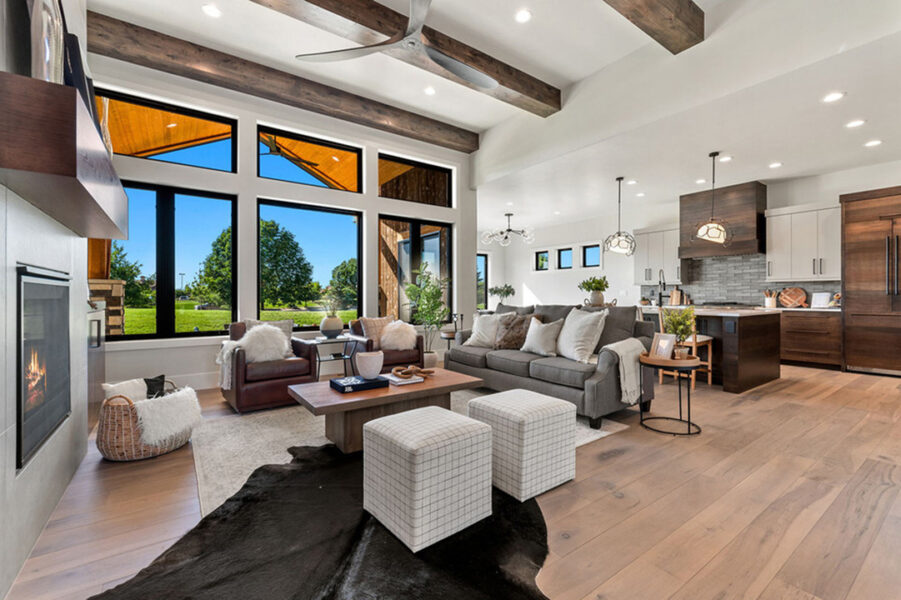
Building a luxury home goes far beyond buying expensive finishes or stacking oversized rooms. True luxury design focuses on flawless functionality, absolute privacy, and architectural harmony that elevates your daily routine.
If you want to build a high-end residence, you need exact specifications rather than vague design concepts. This guide provides actionable steps to execute a luxury home design that looks stunning and functions perfectly for your lifestyle.
1. Hire a Specialized Design Team
Do not hire a standard builder or residential decorator. You must assemble a team consisting of a licensed architect, a certified high-end interior designer, and custom home builders who construct bespoke residences.
These experts design complex structures, install smart systems, and source premium materials. Require your architect and designer to hold weekly meetings with the contractor. This coordination guarantees the structural shell accommodates the interior finishes without conflict.
2. Select the Perfect Site and Topography
True luxury architecture begins with the land before you ever pour the foundation. You must analyze site orientation to maximize natural light using passive solar design. Position the primary living spaces to capture prevailing breezes and frame specific views like a mountain peak or a lake.
Orient the home strategically to block views of neighboring roofs or street traffic. Conduct thorough geological testing before purchasing the plot. Assess the soil composition, water tables, and bedrock depth.
Luxury homes often include deep basements and massive retaining walls. These features require serious geological testing to ensure safety. This testing dictates what you can build on the property without risk.
3. Navigate Permitting and Review Boards
Local zoning laws dictate what you can construct. Research local restrictions before finalizing your design. Setbacks, maximum roof heights, and size limits based on lot size restrict how large a house can sit on a given lot.
High-end neighborhoods, coastal commissions, and historic districts enforce architectural review boards. These boards mandate specific roof pitches, exterior materials, and paint colors. Submit your architectural renderings and material samples early. Understand that board approvals can take months or years to secure.
4. Master Spatial Flow and Proportion
Luxury architecture requires precise measurements and clear traffic paths. Design open floor plans that establish distinct zones for cooking, dining, and lounging without relying on walls.
Increase your first-floor ceiling height to 10 or 12 feet. Widen interior hallways to 5 or 6 feet. Replace standard 6-foot 8-inch interior doors with 8-foot tall doors. These measurements draw the eye upward and make the space feel expansive.
5. Design Staff and Service Infrastructure
A home of this scale requires daily maintenance, and your design must account for the people who perform it. Incorporate hidden staff pathways by building secondary service hallways or hidden staircases. This allows caterers, housekeepers, and property managers to move through the home without entering the main living areas.
Create a dedicated service entrance for caterers, package deliveries, and maintenance workers. Keep this entrance separate from the primary mudroom and main entrance. Include attached or detached staff quarters with a modest kitchen and bathroom for a live-in nanny, estate manager, or groundskeeper.
6. Invest in Premium Materials
Select materials based on performance and authenticity. Do not use luxury vinyl plank flooring or laminate countertops. Install 9-inch wide European white oak flooring.
For your kitchen countertops, choose natural stones like Calacatta marble or Soapstone for low-traffic areas. Select high-end engineered quartz for busy kitchens because it resists stains and etching better than natural marble.
Skip polished chrome fixtures because they show fingerprints. Install unlacquered brass, antique bronze, or brushed nickel fixtures. These metals develop a unique patina that adds character to your home.
7. Design Custom Millwork and Bespoke Cabinetry
Reject flat-pack and ready-to-assemble cabinetry. Commission a local woodworker to build custom baseboards, crown molding, wainscoting, and bespoke cabinetry.
Hide your refrigerator and dishwasher behind custom wood panels that match the cabinets. In the living room, recess your television flush into a wall of custom built-in shelving. Require your woodworker to align the wood grain patterns from door to door.
8. Implement a Layered Luxury Lighting Design
Do not rely on a single overhead light. Install three distinct lighting layers in every room. Start with ambient lighting using 4-inch LED recessed lights.
Add task lighting using pendant lights hung 30 to 36 inches above kitchen islands. Place bathroom sconces 60 inches from the floor. Finish with accent lighting using picture lights above art and LED strip lights under floating stair treads. Connect all lighting to a smart dimming system to control the light intensity.
9. Integrate Invisible Smart Home Technology
Hide every wire, router, and control panel. Hire a home automation integrator during the architectural drafting phase to wire the house for Crestron or Control4 systems. Install speakers flush inside the drywall or ceiling. Recess motorized window shades into the ceiling drywall so they disappear when rolled up.
Program the smart home system to recognize your phone. The system will trigger the lights, temperature, and music to turn on without touching a panel when you walk through the front door. Install these specific automation components to maintain a clean aesthetic:
- Lutron HomeWorks QSX processors for precision lighting and shade control.
- Savant or Sonos multi-room audio systems with in-ceiling directional speakers.
- Motorized television lifts that raise the screen from a cabinet at the foot of the bed.
10. Blur Indoor and Outdoor Boundaries
Connect the interior living room to the exterior patio using multi-slide or folding glass doors that measure 10 feet tall. Install the same flooring material inside and outside, such as honed limestone or porcelain pavers.
Keep the interior floor and exterior patio at the exact same height to remove steps. Install radiant heating under the exterior patio concrete to keep the space warm during winter months.
11. Execute Holistic Landscape Architecture
A luxury home looks out of place on a barren lot. Your budget must include bringing in mature, craning-sized trees to give the property an instant landscape. These trees cost tens of thousands of dollars each but provide essential high-end curb appeal.
Use natural slopes, earth mounds, and dense evergreen trees to create a private compound. This natural privacy screening blocks the view from the street and neighboring properties without requiring unsightly fences.
12. Curate Bespoke Lifestyle Spaces
Design specific rooms dedicated to your hobbies to add customized functionality. Install a climate-controlled glass wine room set to 55 degrees Fahrenheit next to the dining room.
Build a wellness suite containing an infrared sauna and a cold plunge tub kept at 50 degrees. Construct a butler’s pantry with a second dishwasher, a dedicated espresso machine, and a beverage refrigerator. This setup keeps the main kitchen clear of dirty dishes and clutter during parties.
13. Build Specialized Collection Spaces
Ultra-luxury home design requires architectural engineering for custom and heavy collections. Design automobile galleries that act as display spaces rather than standard garages. Install special exhaust ventilation, showroom lighting, hydraulic car lifts, and glass viewing walls that connect the garage to a lounge area.
Design dedicated zones for art and artifacts. Pour reinforced flooring to support the weight of heavy bronze or stone sculptures. Build micro-climate zones for delicate art or rare books to control humidity.
Build acoustically isolated home cinemas using room-within-a-room construction. Install floating floors and decouple the walls to prevent movie audio from vibrating the rest of the house.
14. Engineer Acoustic Insulation and Privacy
True luxury requires total silence from outside noise and neighboring rooms. Standard fiberglass insulation does not block enough noise. Fill your walls with mineral wool insulation, like Rockwool Safe and Sound, to block sound transmission.
Install solid-core wood doors for every bedroom and bathroom to stop noise from traveling down hallways. Line your HVAC ductwork with acoustic duct board to prevent the air handler sounds from traveling through the vents.
15. Design Advanced Climate and Water Systems
A luxury home must maintain 99% filtered air and water purity. Install radiant floor heating instead of air vents to eliminate dust and cold spots. Pair this with a dedicated energy recovery ventilator to bring in fresh outside air while exhausting stale indoor air.
For your water, install a whole-house water filtration system and a water softener at the main supply line. Add a hot water recirculation pump so your shower produces instant hot water without wasting a single gallon.
16. Ensure Whole-Home Resilience and Autonomy
Modern luxury estates must operate off the grid during emergencies. Incorporate disaster preparedness features specific to your geography. Install wildfire-resistant exteriors, hurricane-grade structural tie-downs, or elevated flood foundations depending on your location.
Achieve energy independence with a commercial-grade generator. As an alternative, build massive solar arrays paired with multiple battery walls like Tesla Powerwalls. This ensures your HVAC systems, smart home technology, and pool pumps continue running during a prolonged grid outage.
17. Build a High-End Primary Suite
The primary bedroom should function as a private retreat, not just a place to sleep. Build a dressing room separate from the sleeping area. Install a center island in the dressing room with felt-lined jewelry drawers and integrated RFID locks to store jewelry and watches.
In the primary bathroom, install a curbless walk-in shower with a rain showerhead and a high-end freestanding soaking tub. Mount heated towel racks on the wall. Put electrical outlets inside bathroom drawers to hide hair dryers and shavers out of sight.
18. Integrate Hidden Security Systems
Do not mount visible security cameras or keypads on your front door. Bury the security infrastructure into the architecture. Install impact-rated glass in all ground-floor windows and doors to stop forced entry.
Hide fingerprint scanners or facial recognition cameras inside the door hardware to unlock the house. Install a discreet safe room built with reinforced concrete walls and a solid steel door. Connect the safe room to a backup generator and a dedicated independent phone line.
19. Design the Luxury Kitchen as a Functional Masterpiece
The luxury kitchen design requires specific ergonomic planning to accommodate multiple cooks and guests. To prevent traffic jams, build two separate kitchen islands. Design the first island for food preparation and install a secondary prep sink. Design the second island for seating and socializing, raising the counter height to 42 inches to accommodate bar stools.
Include these specific high-end kitchen features:
- Dual 36-inch integrated column refrigerators to separate fresh food from beverages.
- A pot filler faucet mounted 24 inches above the range for filling large pots on the stove.
- A walk-in corner pantry with motion-sensor lighting and built-in spice racks.
20. Elevate the Arrival Sequence
The journey to your front door creates the first impression of your property. Install a custom wrought iron or solid wood driveway gate operated by vehicle transponders. Lay the driveway using hand-laid Belgian block borders or heated permeable pavers to prevent ice buildup.
Flank the driveway entrance with 8-foot tall stone pillars. Install directional ground lights 12 inches high to light the driveway without blinding drivers. Install a motorized water feature in the front courtyard to create white noise that masks neighborhood traffic.
21. Treat the Ceiling as the Fifth Wall
Do not paint your ceilings flat white. Add architectural interest to draw the eye upward. Install V-groove wood paneling on the ceiling of the living room.
Apply hand-troweled plaster to the dining room ceiling for subtle texture. Install 12-inch deep coffered beams in the library or study. Paint the ceiling a custom tinted color that is 20 percent lighter than the wall color to create a cozier environment.
22. Engineer High-Functioning Utility Spaces
Luxury means your utility spaces work out of sight. Coat your garage floor with a polyaspartic system instead of epoxy to stop tires from peeling the finish. Install a dedicated 240-volt NEMA 14-50 outlet in the garage for electric vehicle charging.
Build a dedicated mudroom with individual lockers for each family member. Include a built-in bench with pull-out shoe drawers underneath. Install a dedicated dog washing station in the mudroom with a handheld shower wand and a wall-mounted pet dryer.
23. Procure Bespoke Furniture and Art
Do not buy generic furniture sets from big-box retail stores. Commission custom upholstery pieces from trade-only showrooms. Request 8-way hand-tied springs and down-filled cushions for sofas that last 20 years.
Allocate 10 percent of your total interior design budget for original art. Consult with an art advisor to source original paintings or sculptures from local artists. Install museum-grade UV-filtering acrylic over your art windows to protect the pieces from sun damage without diminishing visibility.
24. Integrate Sustainable and Eco-Friendly Technology
Modern luxury home design demands sustainability. Install a geothermal heating and cooling system by burying pipes 6 feet underground. This uses the earth’s temperature to cut HVAC energy use by 40 to 50 percent.
Do not use Tesla Solar Roof tiles because they struggle with the complex rooflines and custom pitches typical of luxury architecture. As an alternative, install traditional high-efficiency solar panels on low-slope roof sections and hide them out of sight using parapet walls. Source reclaimed wood for your ceiling beams and flooring to add an aged appearance while reducing environmental impact. Install a rainwater harvesting system with a 500-gallon underground cistern to irrigate your landscaping.
25. Design Comprehensive Outdoor Living Spaces
Expand your luxury architecture into the backyard with a fully functional outdoor kitchen and living room. Install a built-in 36-inch gas grill, a wood-burning pizza oven, and a beverage center under a pergola.
Construct a sunken fire pit area using natural stone seating. Build an infinity edge pool that spills toward a focal point like a mountain range or ocean horizon. Install underwater LED lights that change color to match the theme of your event.
26. Install a Private Home Elevator
Future-proof your bespoke residence by installing a private home elevator. Hide the elevator doors behind custom millwork panels that match the adjacent hallway.
Ensure the cab interior features the same premium materials as the rest of the house. Use leather wall coverings, recessed ceiling lights, and handcrafted wood flooring inside the cab. This guarantees accessibility without sacrificing the design language of the house as you age in place.
27. Implement Strict Budgeting and Project Management
True custom home features require strict financial oversight. Establish a contingency fund equal to 15 percent of your total construction budget. This covers unforeseen structural issues or sudden material price increases.
Do not demand fixed bids from your general contractor. True custom homes involve immense unknowns and custom engineering, so high-end builders decline fixed bids without adding a massive 20 to 30 percent risk tax.
Negotiate a Cost-Plus contract with a Guaranteed Maximum Price (GMP). This method pays the builder for actual costs plus a fee while capping your total financial risk. Review monthly budget burn rate reports with your architect to avoid running out of money before completion.
28. Design Hidden and Abundant Storage
Luxury living requires you to hide all everyday items. Design a hidden room behind a pivoting bookshelf to store bulky items or hobby equipment.
Line your garage with custom slatwall panels and overhead steel racks to keep the floor clear. Install motorized sliding shoe racks in your dressing room to maximize vertical space. Ensure your laundry room includes built-in sorting hampers and a folding counter set at 36 inches high for ergonomic comfort.
