
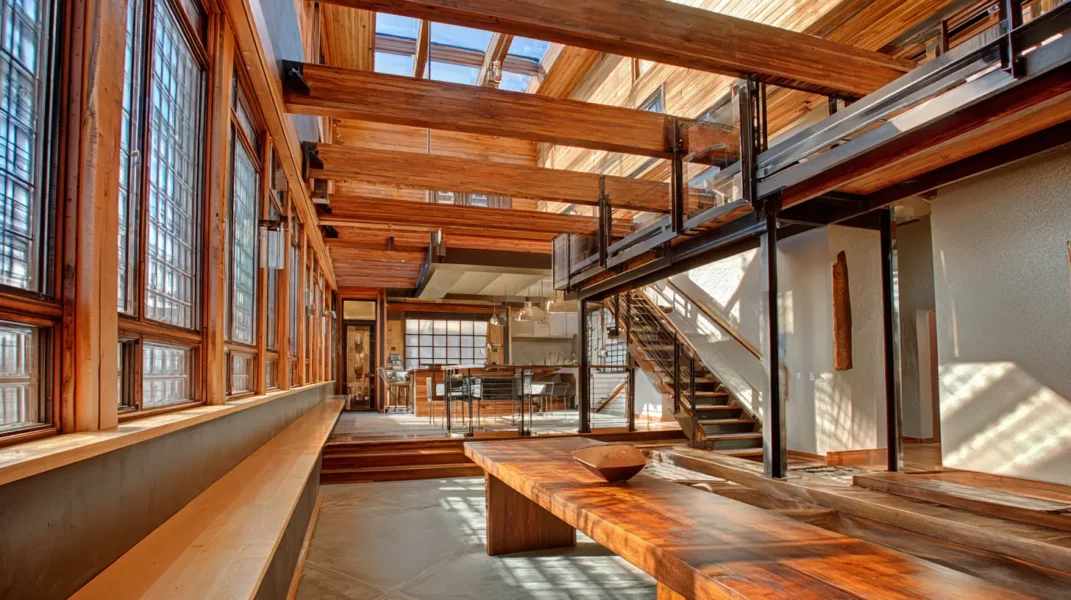
Cedar has earned its reputation as one of the most versatile and enduring materials in construction and architectural design. From exterior siding that weathers gracefully over decades to interior trim that adds warmth and character, this naturally resilient wood continues to captivate builders, architects, and homeowners alike. Its unique combination of aesthetic appeal, durability, and workability makes it an exceptional choice for projects ranging from custom millwork to structural applications. Understanding what sets cedar apart—and how to incorporate it effectively—can transform ordinary construction into something extraordinary.
The Natural Advantages of Cedar in Millwork Applications
Cedar’s cellular structure provides inherent advantages that few other woods can match. The wood contains natural oils and compounds that act as preservatives, protecting against moisture damage, insect infestation, and fungal decay. This biological resistance means cedar millwork maintains its integrity in environments where other materials would deteriorate rapidly. Whether exposed to coastal humidity or mountain freeze-thaw cycles, properly installed cedar elements demonstrate remarkable longevity without the need for chemical treatments.
The dimensional stability of cedar makes it particularly valuable for precision millwork. Unlike woods that expand and contract dramatically with seasonal moisture changes, cedar remains relatively stable. This characteristic ensures that doors hang properly year-round, windows operate smoothly, and trim joints remain tight. For custom cabinetry and built-in furniture, this stability translates to fewer callbacks and greater customer satisfaction. The wood’s straight grain and fine texture also allow for clean cuts and smooth finishes, reducing labor time while improving final results.
Sourcing Quality Cedar for Professional Projects
The success of any cedar project begins with material selection. Professional contractors understand that not all cedar is created equal, and partnering with a reliable millwork and specialty materials supplier ensures access to properly graded, kiln-dried lumber that meets project specifications. Quality suppliers maintain inventory across multiple grades, from clear vertical grain for premium applications to knotty grades that provide rustic character at accessible price points. This selection flexibility allows builders to match material costs with project budgets without compromising on quality where it matters most.
Beyond raw lumber, specialty suppliers offer value-added products including pre-milled trim profiles, tongue-and-groove paneling, and custom-machined components. These offerings reduce on-site fabrication time while ensuring consistency across large projects. When renovation work requires matching existing profiles, established suppliers often maintain historical molding patterns or can arrange custom knife grinding to replicate discontinued designs. This level of service proves invaluable when maintaining architectural integrity in restoration projects.
Cedar in Interior Design Contexts
While cedar excels in exterior applications, its interior uses deserve equal consideration. Cedar wainscoting transforms ordinary walls into focal points, bringing texture and natural warmth to dining rooms, studies, and bedrooms. The wood’s aromatic properties—most pronounced in closets and storage areas—provide natural moth deterrence while creating pleasant living environments. In bathrooms and spa-like settings, cedar’s moisture resistance makes it suitable for applications where other woods would be questionable choices.
When planning comprehensive interior renovations, material choices extend beyond millwork alone. Homeowners comparing options for various surfaces often explore hardwood versus luxury vinyl plank flooring to understand the trade-offs between natural and engineered materials. While cedar isn’t typically used for flooring due to its softness, these decisions about authenticity versus practicality mirror considerations in millwork selection. The key lies in using each material where its properties provide maximum benefit rather than forcing uniform solutions across diverse applications.
Scientific Understanding of Cedar’s Performance
The exceptional performance characteristics of cedar aren’t merely traditional knowledge—they’re scientifically documented. Research into cedar’s hidden potential has revealed the specific compounds responsible for its natural durability. Thujaplicins and other extractives provide the antimicrobial and insect-repellent properties that make cedar so valuable in construction. This scientific validation supports what craftsmen have known empirically: cedar performs reliably in demanding conditions.
Understanding the science behind cedar’s properties helps contractors make informed decisions about finishing and maintenance. While the natural oils provide protection, exterior applications benefit from UV-blocking finishes that preserve color and prevent surface checking. Interior applications may require nothing more than light sanding and clear sealing to showcase the wood’s natural beauty. The lower density of cedar compared to hardwoods means fasteners must be chosen carefully to prevent splitting, particularly near board ends.
Installation Best Practices for Long-Term Performance
Proper installation techniques maximize cedar’s natural advantages while minimizing potential issues. Pre-drilling for nails and screws prevents splitting, especially important when working with clear grades where every board counts. Allowing adequate ventilation behind siding and preventing ground contact for exterior applications ensures moisture can escape rather than accumulating and compromising the wood. Stainless steel or hot-dipped galvanized fasteners prevent unsightly staining from rust bleeding through finishes.
Acclimation remains critical despite cedar’s dimensional stability. Material should equilibrate to job site conditions before installation, particularly for interior millwork where climate control creates consistent environments. This practice minimizes post-installation movement that could compromise joints or create gaps. When working with pre-finished materials, protecting completed work during construction prevents damage that requires costly refinishing or replacement.
Liberty Cedar’s Role in Quality Construction
Establishing relationships with suppliers who understand both material properties and construction realities makes project execution smoother. Companies specializing in cedar products bring expertise that extends beyond simply stocking lumber. Their knowledge of regional building practices, local code requirements, and emerging design trends helps contractors specify appropriate products for each application. Technical support for unusual installations or custom requirements can prevent costly mistakes and delays.
The supply chain considerations for cedar deserve attention as well. Sustainable forestry practices ensure continued availability of quality material while protecting forest ecosystems. Suppliers committed to responsible sourcing provide documentation verifying that lumber comes from well-managed forests, satisfying green building certification requirements and environmentally conscious clients. This transparency builds trust and differentiates quality suppliers from commodity lumber yards.
Future Considerations in Cedar Millwork
As construction evolves, cedar’s role continues adapting to contemporary needs. Modified cedar products with enhanced density and hardness expand application possibilities into areas traditionally reserved for harder species. Thermally modified cedar offers improved dimensional stability and darker color tones without chemical treatments. These innovations maintain cedar’s natural appeal while addressing specific performance requirements that standard material might not meet.
The growing emphasis on biophilic design—incorporating natural elements into built environments—positions cedar advantageously for future projects. Its visual warmth, pleasant aroma, and tactile qualities contribute to occupant wellbeing in ways that manufactured alternatives cannot replicate. As research continues demonstrating the psychological benefits of natural materials in living spaces, cedar millwork represents more than aesthetic choice—it becomes an investment in long-term occupant satisfaction and building value.
