
Celebrity homes have always captured public imagination, but the most iconic residences transcend luxury or fame. They reflect cultural movements, creative breakthroughs, architectural ambition, and pivotal moments in history. These homes are not simply places where famous individuals lived—they are physical extensions of legacy, identity, and influence.
From legendary musicians and artists to media moguls and world leaders, certain homes have become inseparable from the people who occupied them. Many are preserved as museums or protected landmarks, while others continue to shape conversations around architecture, preservation, and cultural memory. This article explores the most iconic celebrity homes in history through a research-driven lens, focusing on verified records, architectural context, and long-term cultural significance.
What This Article Is — and Is Not
- It is a historical and real estate-focused examination, not celebrity gossip
- It prioritizes accuracy, context, and long-term relevance
- It avoids speculation and unverified anecdotes
- It treats each home as a cultural artifact, not a status symbol
By applying these standards, this article presents a definitive reference for readers interested in celebrity homes as part of architectural history, cultural heritage, and global influence.
Music Legends and Their Iconic Homes
Music has produced some of the most influential cultural figures in modern history, and their homes often became creative sanctuaries, personal statements, and lasting symbols of artistic legacy. These residences are closely tied to defining moments in music history and continue to attract global attention through preservation, tourism, and scholarship.
Graceland — Home of Elvis Presley
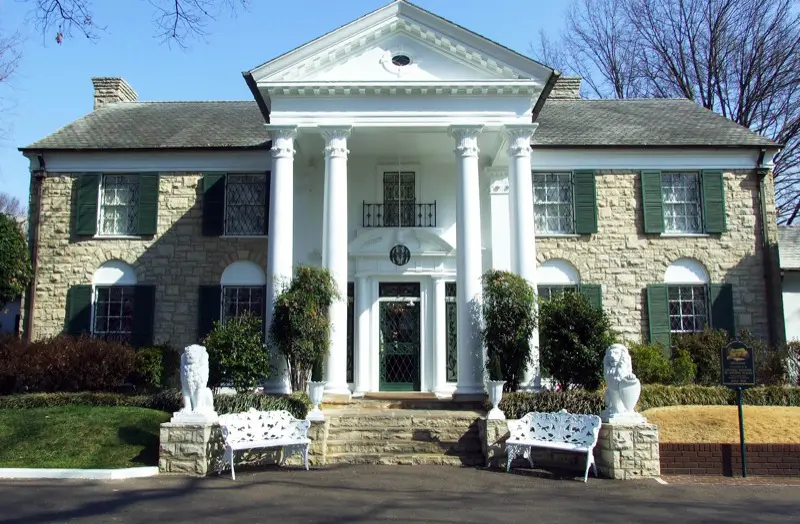
Located in Memphis, Tennessee, Graceland is one of the most recognized private residences in the world. Purchased by Elvis Presley in 1957, the estate became both a personal retreat and a creative base during the height of his career. Over time, it evolved into a global cultural landmark that reflects the rise of rock and roll as a defining force of the 20th century.
Architecturally, Graceland blends Colonial Revival elements with highly personal interior design choices that mirror Presley’s artistic identity. One of its most distinctive features is the ornate front gate, designed with musical notes and guitar motifs—an intentional visual tribute to music itself. Inside, spaces like the Jungle Room showcase how Presley infused his home with theatrical flair and creative expression.
Today, Graceland operates as a museum and is officially recognized as a National Historic Landmark. It stands as a rare example of a celebrity home that transitioned seamlessly into a heritage institution while retaining its emotional and cultural authenticity.
Paisley Park — Creative Complex of Prince

Paisley Park, located in Chanhassen, Minnesota, represents a modern evolution of the celebrity home. Designed as a combined residence, recording studio, and performance space, it functioned as the center of Prince’s creative universe for decades.
Unlike traditional luxury estates, Paisley Park was built with artistic independence in mind. The complex housed multiple studios, rehearsal spaces, sound stages, and private rooms, allowing Prince to control every aspect of his creative output—from songwriting to production and visual presentation. This level of self-contained artistry makes Paisley Park unique among celebrity properties.
Following Prince’s passing, Paisley Park opened to the public as a museum. Visitors now experience the space through curated tours that follow his career chronologically, displaying instruments, stage wardrobes, handwritten lyrics, and studio environments. The property continues to serve as both a cultural archive and an active symbol of artistic autonomy.
Neverland Ranch (Sycamore Valley Ranch) — Estate of Michael Jackson
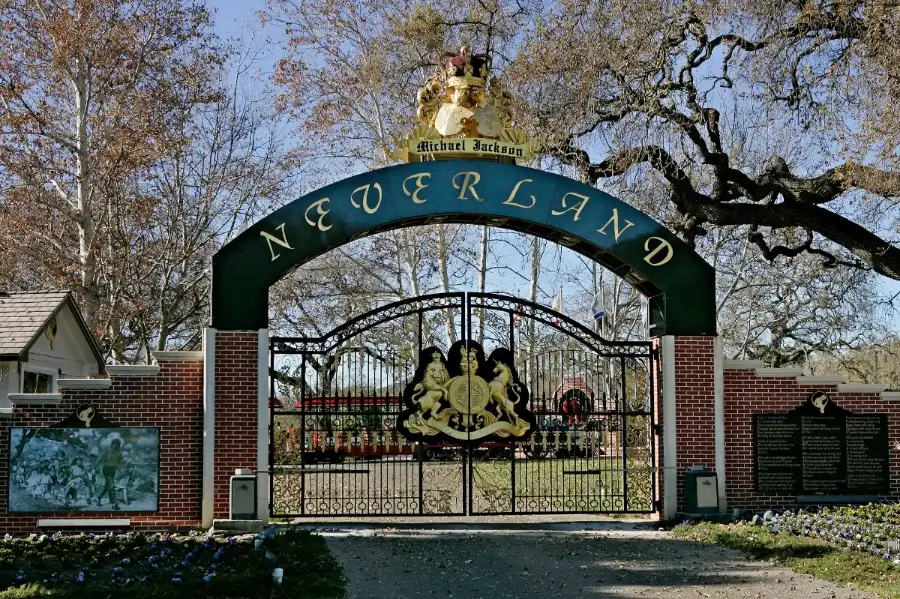
Set in the hills of California’s Santa Ynez Valley, Neverland Ranch was envisioned as a private world shaped by imagination, creativity, and escapism. Originally developed as a luxury ranch, the property was transformed by Michael Jackson into a highly personalized estate that reflected his artistic vision and fascination with storytelling.
The ranch featured landscaped grounds, themed architecture, amusement-style elements, and custom-built spaces designed to inspire creativity and wonder. Over time, it became one of the most widely recognized celebrity estates in the world, often referenced in discussions about fame, privacy, and self-expression.
Later renamed Sycamore Valley Ranch, the property has since transitioned into a quieter chapter of its history, while still remaining a powerful cultural reference point. Its legacy highlights how celebrity homes can become symbols that extend far beyond real estate, entering global cultural consciousness through design, narrative, and artistic association.
Artists and Writers: Homes as Creative Engines
For artists and writers, home is often more than a private retreat. It becomes a studio, a laboratory of ideas, and a deeply personal environment that shapes creative output. The following homes are inseparable from the work produced within their walls and continue to offer insight into the lives and processes of their owners.
La Casa Azul — Home of Frida Kahlo
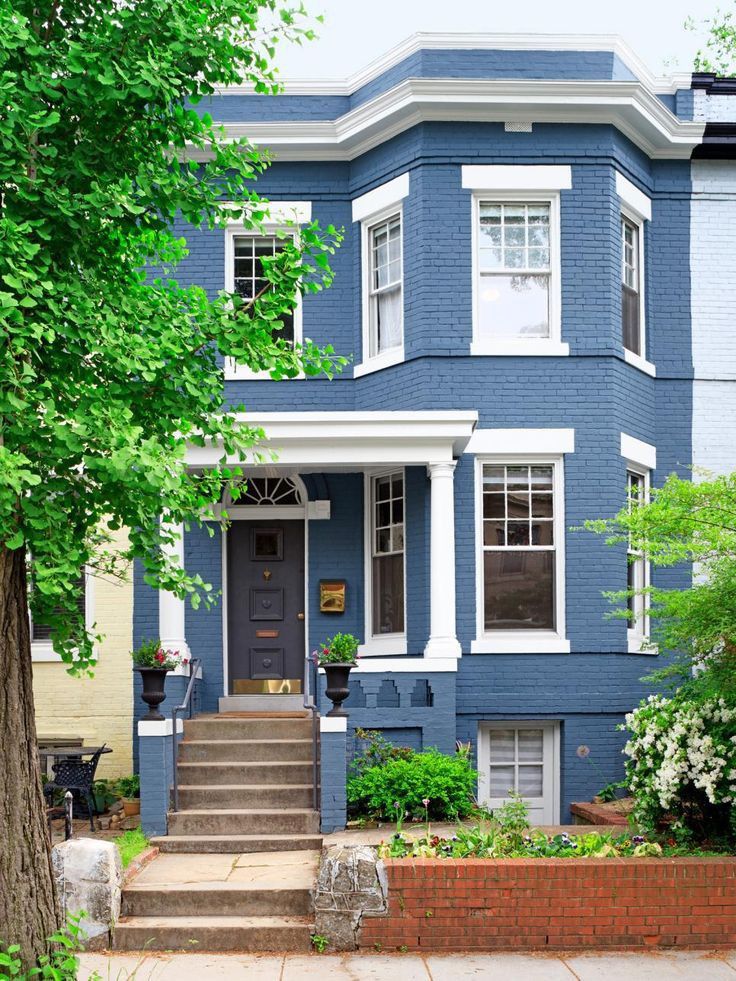
La Casa Azul, commonly known as the Blue House, stands in the Coyoacán district of Mexico City as one of the most recognizable artist residences in the world. Frida Kahlo was born here, lived here for much of her life, and ultimately chose it as the place where her personal and artistic identities fully converged.
The home’s vivid cobalt-blue exterior, enclosed courtyard, and carefully curated interiors reflect Kahlo’s connection to Mexican heritage, nature, and symbolism. Inside, everyday objects—clothing, medical devices, personal letters, and art supplies—reveal how closely her life and work were intertwined.
After her death, the house was preserved and opened as a museum, allowing visitors to experience her world with remarkable intimacy. In later years, previously sealed areas of the home were carefully opened and studied, bringing new depth to the understanding of her creative life. Today, La Casa Azul stands as a powerful example of how an artist’s home can function as both a living archive and a cultural landmark.
Ernest Hemingway Home — Residence of Ernest Hemingway

Situated in Key West, Florida, the Ernest Hemingway Home offers a rare glimpse into the domestic life of one of America’s most influential writers. Hemingway lived and worked here during a highly productive period, writing several notable works while drawing inspiration from the surrounding environment.
Built from native limestone, the house was designed for durability and comfort, with thick walls and expansive spaces suited to both solitude and social gatherings. One of its most distinctive characteristics is its population of polydactyl cats, descendants of those originally gifted to Hemingway, which continue to inhabit the property today.
Preserved as a museum, the home includes Hemingway’s writing studio, personal furnishings, and gardens, all carefully maintained to reflect the era in which he lived there. The property demonstrates how environment, routine, and space can quietly shape literary output while offering visitors an authentic connection to the writer’s daily life.
Mark Twain House — Home of Mark Twain
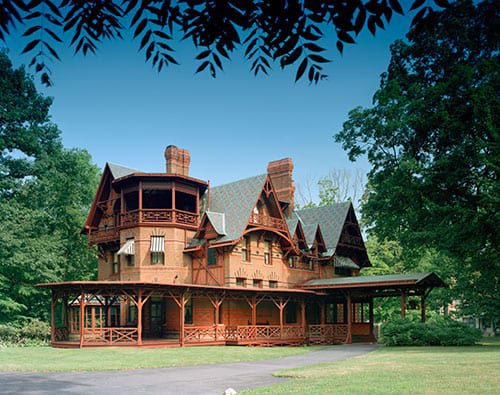
The Mark Twain House in Hartford, Connecticut, is widely regarded as one of the most important literary homes in the United States. Designed in a distinctive Victorian Gothic style, the house was built with direct involvement from Mark Twain, reflecting his strong interest in architecture, technology, and modern living.
Twain lived here during a period often described as the peak of his literary career. Within these walls, he wrote several of his most enduring works, supported by a home environment that balanced innovation with comfort. The interior featured advanced amenities for its time, underscoring Twain’s enthusiasm for progress and experimentation.
Today, the house operates as a museum and cultural center, offering guided tours that emphasize both the architectural design and the literary achievements associated with the property. It stands as a clear example of how a thoughtfully designed home can nurture creativity while becoming a lasting monument to artistic legacy.
Power, Media, and Political Influence
Some celebrity homes are inseparable from power, influence, and decision-making that shaped nations, media, and public opinion. These residences functioned as strategic retreats, creative headquarters, and symbols of authority, blending private life with global impact.
Hearst Castle — Estate of William Randolph Hearst
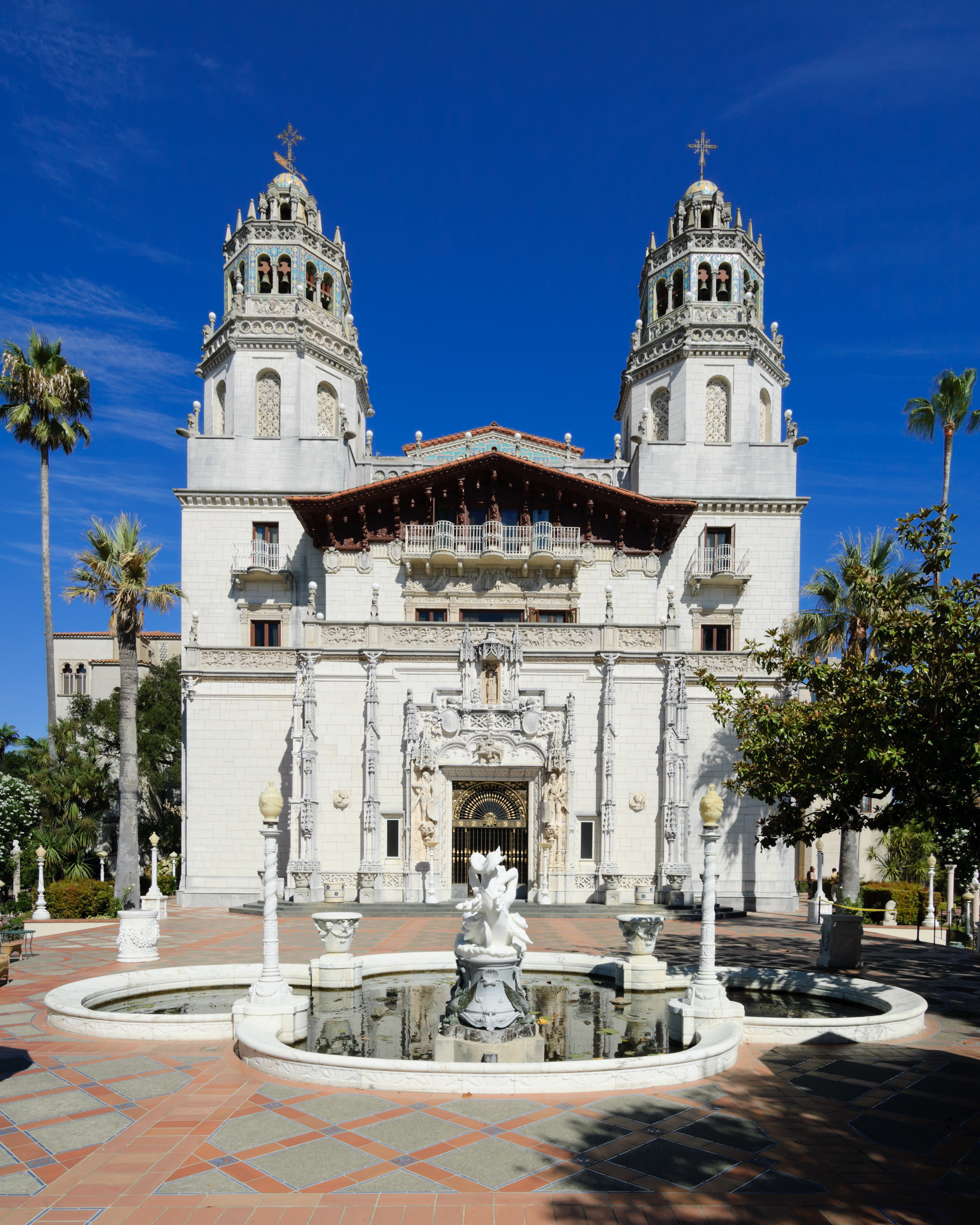
Perched high above the California coastline in San Simeon, Hearst Castle stands as one of the most ambitious private residences ever constructed in the United States. Conceived by William Randolph Hearst and designed by architect Julia Morgan, the estate was developed over several decades as a personal retreat and an elite gathering place for influential figures from politics, Hollywood, and international society.
The property features a grand main house complemented by guest residences, expansive gardens, fountains, and iconic pools inspired by classical European architecture. Hearst used the estate to host world leaders, artists, and film stars, creating an environment where media, culture, and power intersected naturally.
Today, Hearst Castle is preserved and managed as a public historic site. It remains a defining example of how media influence and architectural ambition combined to create a residence that transcended private ownership and entered cultural history.
Chartwell — Country Home of Winston Churchill
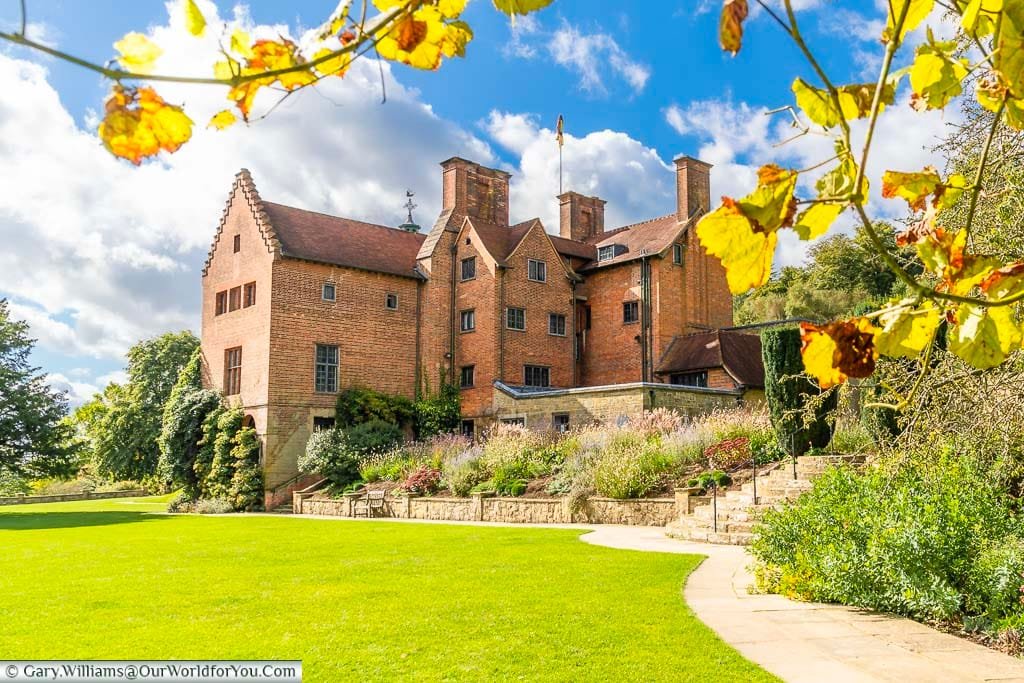
Located in the rolling countryside of Kent, Chartwell was the long-time home of Winston Churchill and served as a personal refuge throughout his political career. More than a country house, Chartwell was a place of reflection, writing, and artistic expression for one of the most influential leaders of the 20th century.
Within its walls, Churchill worked on speeches, historical writings, and paintings, blending intellectual discipline with creative exploration. The surrounding gardens, designed with his direct involvement, further reflect his appreciation for structure, balance, and craftsmanship.
Preserved by the National Trust, Chartwell allows visitors to experience the home much as it was during Churchill’s lifetime. The property illustrates how a residence can quietly influence leadership by providing space for thought, creativity, and long-term vision.
The Dakota Apartments — Residence of John Lennon and Cultural Figures

Standing prominently along New York City’s Upper West Side, The Dakota Apartments represent a different form of iconic celebrity living. Completed in the late 19th century, the building has long attracted artists, musicians, and cultural leaders drawn to its privacy, grandeur, and architectural presence.
Among its most notable residents was John Lennon, whose years at The Dakota are closely associated with his later creative period. The building’s distinctive Gothic and Renaissance-inspired design, combined with its fortress-like layout, offered residents both elegance and seclusion in the heart of Manhattan.
Designated as a historic landmark, The Dakota continues to symbolize the intersection of cultural influence and urban prestige. Unlike standalone estates, it demonstrates how collective residential architecture can achieve iconic status through its residents and enduring cultural relevance.
Hollywood Icons and Cultural Memory
Hollywood has produced some of the most recognizable figures in global culture, and their homes often become powerful reference points long after their era. These residences capture moments in film history, shifts in lifestyle design, and the evolution of celebrity itself, preserving stories that continue to resonate across generations.
Brentwood Home — Residence of Marilyn Monroe
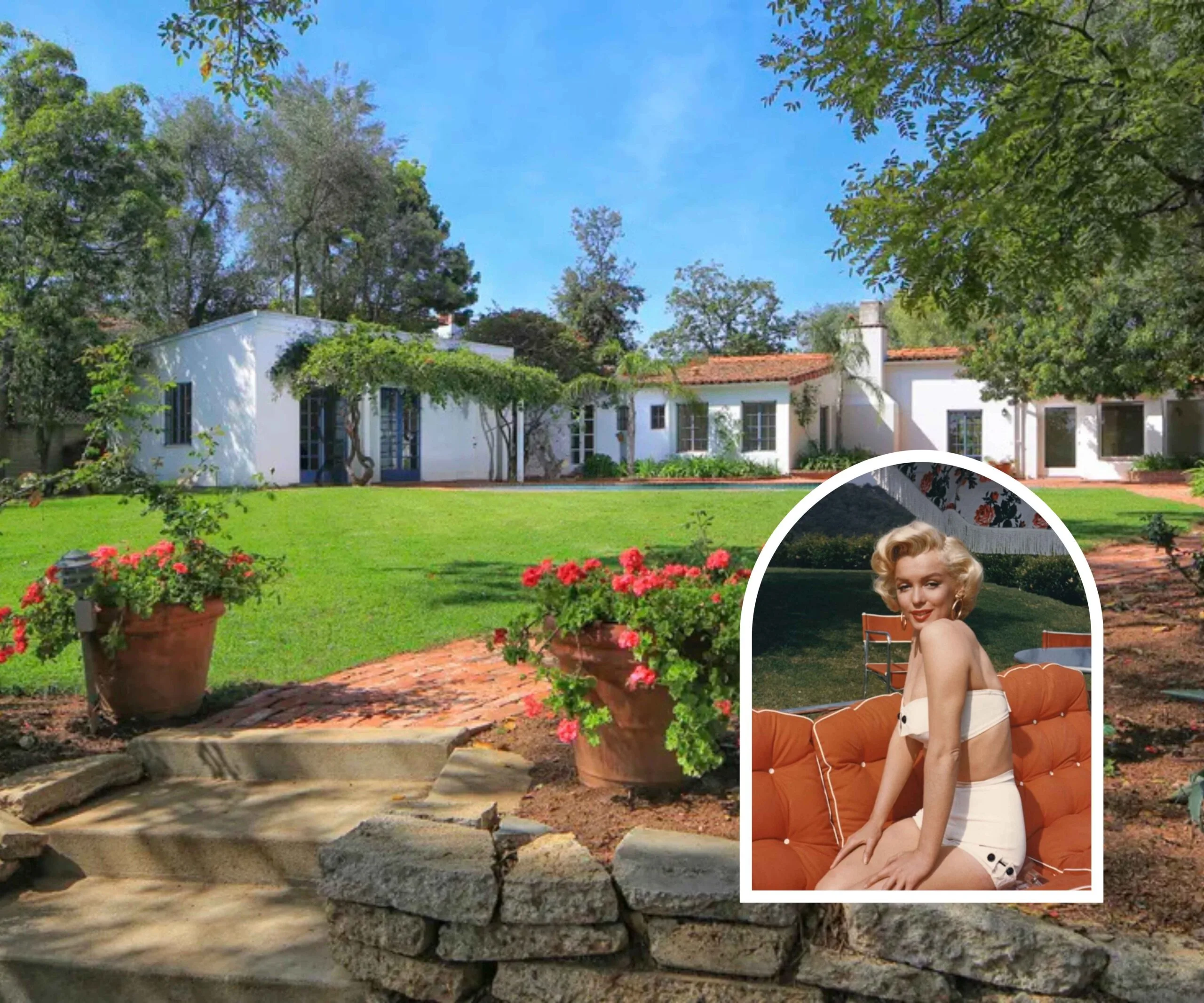
Tucked away in the Brentwood neighborhood of Los Angeles, Marilyn Monroe’s Spanish-style residence holds a unique place in Hollywood history. It was the only home she ever owned outright, making it especially significant within her personal story and public legacy.
The property reflects Monroe’s desire for privacy, warmth, and a sense of belonging away from studio life. With its gated entrance, intimate scale, and lush garden, the home offered a calm environment that contrasted with her highly visible career. Architectural details such as terracotta tiles and arched doorways added character without excess.
In recent years, the home has become central to broader conversations about preservation and cultural heritage, underscoring how even modest celebrity residences can carry lasting historical value. It remains one of the most closely followed homes in Hollywood real estate history.
The Playboy Mansion — Estate of Hugh Hefner
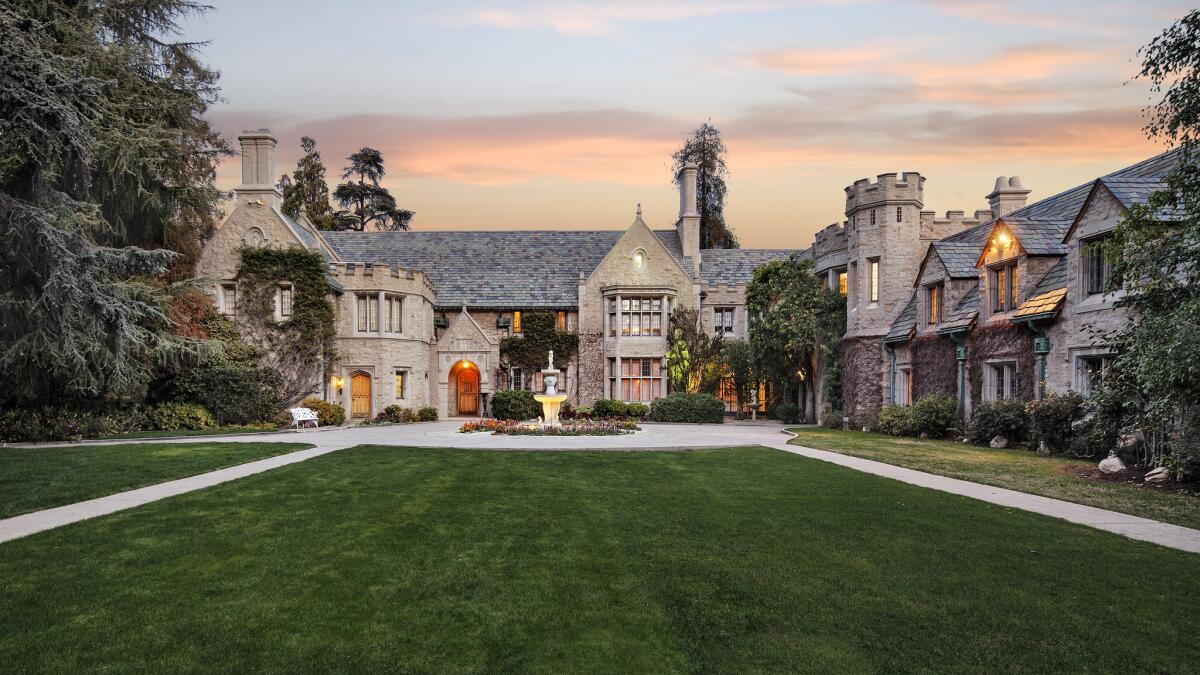
Located in Holmby Hills, Los Angeles, the Playboy Mansion became one of the most recognizable private estates of the late 20th century. Originally constructed in the 1920s, the property gained worldwide recognition after becoming the long-time residence of Hugh Hefner and the symbolic center of the Playboy brand.
The estate featured expansive grounds, entertainment-focused design elements, and gathering spaces that hosted notable figures from entertainment, sports, and media. Over time, the mansion became closely associated with a specific era of Hollywood social culture and lifestyle branding.
Following its sale, the property entered a new chapter while remaining firmly embedded in popular memory. Its legacy illustrates how a celebrity home can function as both a private residence and a cultural landmark shaped by media, identity, and era-defining influence.
Twin Palms Estate — Home of Frank Sinatra
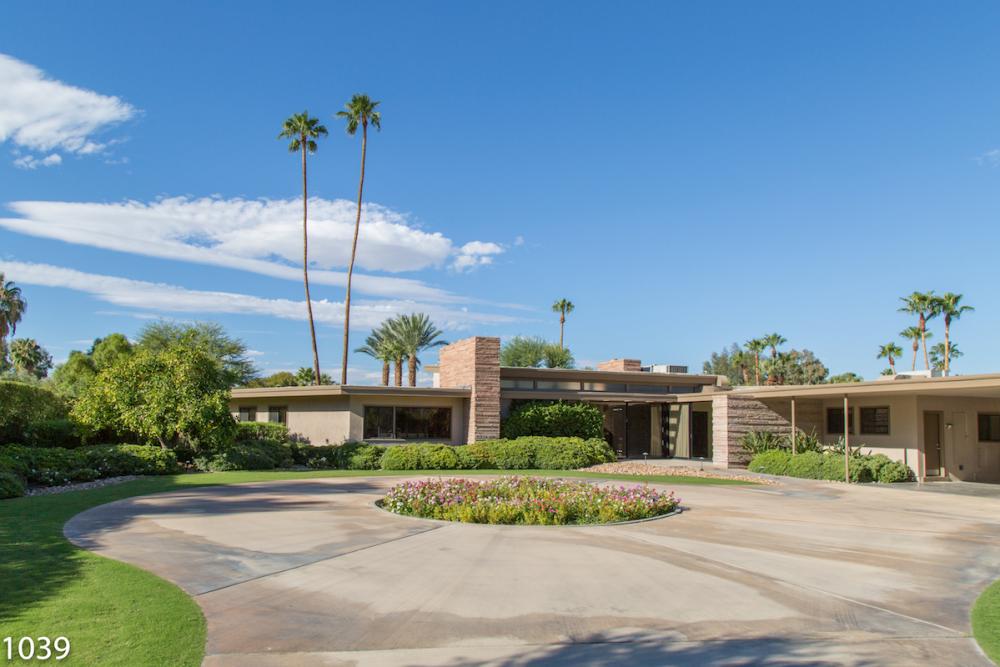
Set in Palm Springs, California, the Twin Palms estate is a celebrated example of mid-century modern celebrity living. Designed in the late 1940s, the home became closely associated with Frank Sinatra during a period when Palm Springs emerged as a retreat for Hollywood’s elite.
The property’s clean lines, open layout, and seamless indoor-outdoor flow reflected both the architectural movement of the time and Sinatra’s public image. One of its most famous features is the piano-shaped swimming pool, a playful design element that cemented the home’s place in architectural and pop culture history.
Now recognized on the National Register of Historic Places, Twin Palms represents the lasting appeal of design-driven celebrity homes. It continues to influence modern luxury architecture while symbolizing an era when Hollywood style and residential design were deeply intertwined.
Why These Homes Matter Today
Iconic celebrity homes continue to shape how history is remembered and experienced. Far beyond architecture or luxury, these residences serve as physical records of cultural shifts, creative breakthroughs, and defining public moments. They allow people to connect with history in a tangible way, stepping into spaces where influential decisions were made, legendary works were created, and enduring legacies took form.
Many of these homes now function as museums, heritage sites, or protected landmarks, offering educational value that extends across generations. Others remain influential through documentation, preservation efforts, and ongoing public interest. Together, they illustrate how personal living spaces can evolve into shared cultural assets, reflecting the values, ambitions, and creativity of their time.
These properties also influence modern design and real estate trends. Architects, historians, and collectors continue to study them for insight into lifestyle, innovation, and the relationship between identity and space. In this way, iconic celebrity homes remain active contributors to cultural dialogue rather than static relics.
How This List Was Selected
Each home was chosen using established real estate and cultural heritage reporting criteria to ensure accuracy, relevance, and lasting significance.
Selection criteria
- Cultural impact: The home played a meaningful role in the owner’s public or creative life
- Verified residency: Ownership or long-term residence is clearly documented
- Architectural value: The property reflects notable design or symbolic identity
- Preservation or legacy: The home is protected, curated, or culturally influential
- Trusted sources: All details come from authoritative institutions and major publications
This approach ensures every property included holds genuine historical and cultural value.
Homes That Became History
The most iconic celebrity homes in history remind us that where influential people live often matters as much as what they create. These residences provide insight into personality, purpose, and the environments that nurture innovation and leadership.
As preserved landmarks, museums, or enduring cultural symbols, these homes continue to educate, inspire, and connect people to moments that shaped art, entertainment, politics, and society. They stand as living evidence that architecture and place play a meaningful role in how legacies are formed and remembered.
Together, they form a global collection of homes that moved beyond private life to become part of shared human history—spaces where creativity thrived, influence expanded, and stories that still resonate today were quietly written.
