
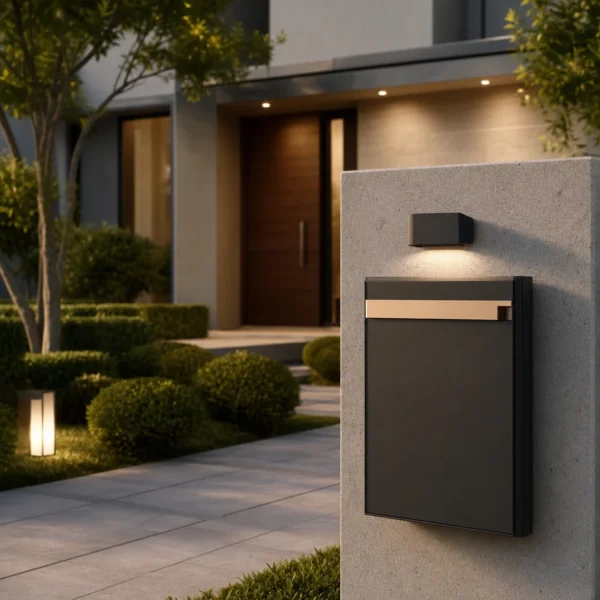
When people think about improving their home’s curb appeal, they often focus on landscaping, fresh paint, or a new front door. But one of the most overlooked elements of exterior design is something far simpler — the numbers and letters on your mailbox. These small identifiers do more than help the mail carrier find your home. They contribute to the overall aesthetic of your property, signal attention to detail, and in some cases, even affect how quickly emergency services can locate your address. Getting them right matters more than most homeowners realize.
Why Mailbox Identification Deserves More Attention
Your mailbox sits at the edge of your property, often the first thing a visitor, delivery driver, or neighbor notices before they even reach your front door. A faded, peeling, or mismatched set of numbers sends an unintentional message about how much care goes into maintaining your home. On the other hand, clean, well-chosen mailbox lettering communicates pride of ownership and a thoughtful approach to exterior design.
Beyond aesthetics, there are practical reasons to invest in quality mailbox identification. Postal regulations in many municipalities require that addresses be clearly visible from the street. If your numbers are worn down or difficult to read, you could face missed deliveries or, in an emergency, delayed response times. These are not trivial concerns — they are real-world consequences of neglecting what seems like a minor detail.
Choosing the Right Style for Your Home’s Exterior
Selecting mailbox numbers and letters is not simply a matter of picking whatever is available at the hardware store. The style, material, and finish you choose should complement the architectural character of your home. A craftsman bungalow calls for something different than a sleek modern build or a traditional colonial. Getting this match right elevates the entire look of your property without requiring a significant investment.
Material Matters: Durability Meets Design
Mailbox numbers are exposed to the elements year-round — sun, rain, snow, and humidity all take their toll. This is why material selection is critical. Aluminum and stainless steel options resist rust and corrosion, making them ideal for coastal or high-humidity environments. Brass offers a classic, warm tone that ages gracefully, while powder-coated finishes in matte black or brushed nickel provide a contemporary edge that holds up well over time. Avoid plastic options if longevity is a priority, as they tend to fade and crack within a few seasons.
Font and Size: Readability Is Non-Negotiable
Decorative fonts can look stunning up close, but if they sacrifice legibility from the street, they defeat the purpose entirely. The general rule is to choose a font that is clean and easy to read at a distance of at least 30 feet. Numbers should be large enough to be seen clearly — typically no smaller than three inches in height for residential mailboxes. If your mailbox is set back from the road, consider going larger. Contrast also plays a role: dark numbers on a light mailbox, or vice versa, will always outperform same-tone combinations.
Coordinating Mailbox Numbers With Your Overall Exterior Design
One of the most effective ways to create a cohesive exterior look is to coordinate your mailbox numbers with other hardware elements on your property. Think about your house numbers, door handles, light fixtures, and fence hardware. When these elements share a common finish — say, all in matte black or all in brushed bronze — the exterior feels intentional and well-designed rather than assembled from random choices over the years.
This principle applies equally to high-profile properties. Consider how celebrity homes often feature meticulously coordinated exterior details. A look at the design philosophy behind notable residential properties reveals that even the smallest exterior elements are chosen with purpose, reinforcing the overall architectural vision rather than working against it. Your home deserves the same level of intentional thinking, regardless of its size or budget.
DIY vs. Professional Installation: What You Should Know
Installing mailbox numbers is generally a straightforward DIY project, but there are a few things worth knowing before you start. Most adhesive-backed numbers work well on smooth surfaces but may not adhere properly to textured or painted wood. Screw-mounted options offer a more permanent solution and tend to look more polished. Before drilling, always check the material of your mailbox — some metals require specific drill bits, and certain post-mounted mailboxes have hollow interiors that require backing plates for a secure fit.
If you enjoy hands-on home improvement projects, this practical guide to DIY house numbers offers useful techniques that translate well to mailbox applications too. Spacing, alignment, and surface preparation are all covered in detail, helping you achieve a result that looks professional even without hiring a contractor.
Modern House Numbers: A Brand Built Around Exterior Precision
When it comes to sourcing high-quality exterior identification hardware, few brands match the breadth and craftsmanship offered by Modern House Numbers. Their product range spans a wide variety of styles, finishes, and materials designed to suit everything from minimalist contemporary homes to more traditional architectural styles. The attention to detail in their manufacturing process ensures that each piece is built to withstand outdoor conditions without compromising on visual appeal.
What sets this brand apart is their commitment to providing options that genuinely integrate with a home’s design rather than simply functioning as afterthoughts. Whether you are outfitting a new build or refreshing an older property, their catalog offers solutions that feel considered and refined. Customers consistently note the quality of materials and the ease of installation as standout features, making the upgrade process both accessible and rewarding.
The Context Paragraph: Making the Right Choice for Your Mailbox
When selecting exterior identification for your property, the details you choose reflect the care you put into your home overall. Opting for well-crafted mailbox numbers from a trusted source ensures that your address is not only visible and compliant with local regulations but also visually aligned with the rest of your home’s exterior. It is a small investment that pays dividends in both function and first impressions, making it one of the most practical upgrades any homeowner can make.
Final Thoughts: Small Details, Lasting Impact
Home improvement does not always require major renovations or significant budgets. Sometimes, the most impactful changes come from addressing the details that others overlook. Mailbox numbers fall squarely into this category — they are functional, visible, and surprisingly influential in shaping how your home is perceived from the street. By choosing quality materials, a style that complements your architecture, and a finish that coordinates with your other exterior hardware, you create a sense of completeness that elevates your entire property.
Take the time to evaluate what is currently on your mailbox. If the numbers are faded, mismatched, or simply uninspiring, consider it an opportunity rather than a problem. A thoughtful upgrade in this area is one of the easiest ways to make a meaningful improvement to your home’s exterior — and the results speak for themselves every single day.