
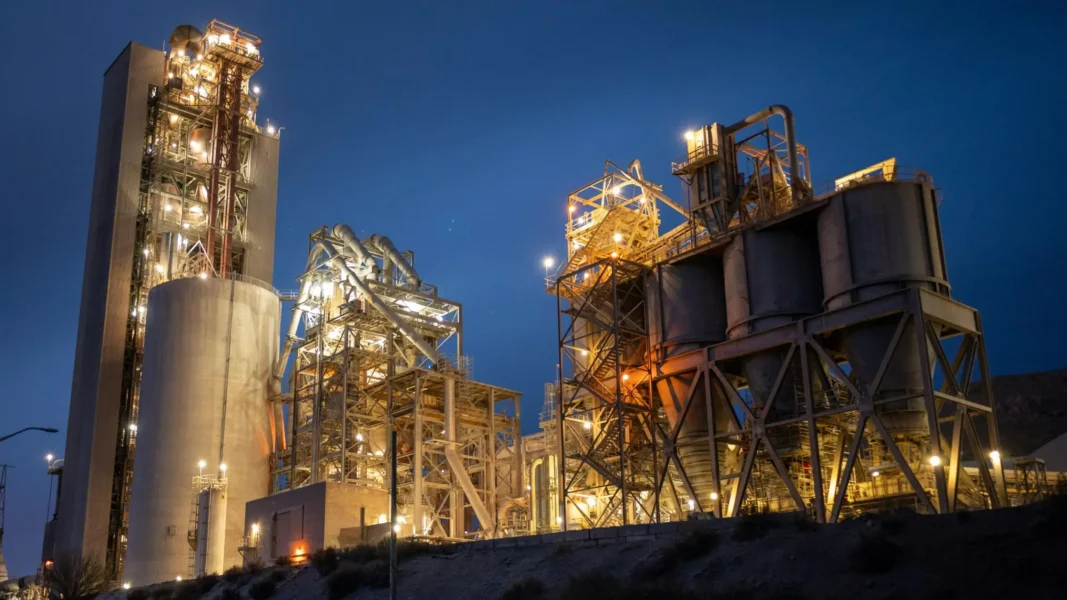
Most facility managers treat decommissioning like a demolition project with extra paperwork. However, it is the wrong lens, and it costs owners real money. If approached correctly, decommissioning is a value-recovery exercise, and every phase of the process either protects capital or destroys it.
Decommissioning is not demolition
These two terms are often used interchangeably with catastrophic consequences. Demolition is the easy part. It’s the physical act of bulldozing a building. Decommissioning comes before the demolition and involves draining fluids, particularly hazardous ones, shutting off utilities (even redundant electric cables can become live if not disconnected), and often removing valuable components and machinery for sale or reuse. It is impossible to demolish a site safely, be it an office block or a chemical plant, without first decommissioning it. If you try, you turn toxic materials and pollutants into a liquid and airborne form and spread them uncontrollably through the environment.
Audit everything before you touch anything
You can’t plan a decommissioning budget off memory or old plant drawings. Every project should open with a full inventory: every piece of equipment, every tank, every metre of piping, every material that might be hazardous, and every metal stream that will eventually need a home.
This audit does two things. It gives you a defensible basis for the decommissioning plan and schedule – the phased master document with milestones, budgets, and a risk register that everyone on the project works from. And it gives you a rough estimate of asset recovery value before a single bolt gets loosened.
Plants that have been running for decades almost always have gaps between what’s on paper and what’s actually on site. Old drawings miss retrofits, informal repairs, and materials that were common practice decades ago but are now regulated. That gap is exactly why hazardous materials abatement budgets need contingency built in from day one.
Hazardous materials will cost more than you think
The other is the weather. Demolishing a structure in pouring rain is more expensive, but every week you can’t pour concrete slabs because the ground is waterlogged also costs. If the groundwater will be exposed and possibly tainted during demolition, plan extra time for costly remediation, including possibly installing a cofferdam that isolates the contaminated area.
Structural demolition doesn’t usually require special disposal due to asbestos or buried hazardous materials like industrial residues, but there are exceptions. Concrete may have been treated with lead-based paint, for instance, or metal coated with PCBs, or transformers may have leaked into the soil. Freon from old AC units could also be a problem if it wasn’t professionally degassed. Structural demolition does generate waste and almost always requires burying it under at least a meter of earthen cover on site. Long-term leases sometimes prohibit even that temporary landfilling. Two kinds of quarries typically accept waste: clean fill, meaning no organic material like brush or paper, and contaminated fill.
Organics are cheaper to landfill than waste that your loader shovels away only to resample and truck off, so waste sorting can be a big time saver. Something is only hazardous waste if tests show it is, but some waste types are prohibited from being buried because they react dangerously with others. Shipping containers can also be an issue. Avoid nasty surprises: work in advance with the waste remover and the disposal site.
Segregate metals or lose 30-50% of their value
The majority of tonnage in industrial decommissioning comes from ferrous metals and recycling these often holds the key to project financials. But recycling also means dealing with non-ferrous metals, where the real margin lies. The biggest mistake clients make is co-mingling those streams. Picture a skip with both ferrous and non-ferrous longs, solids, and fittings. No big transporter in the industry is going to give you the market rate for non-ferrous waste when it’s diluted as low-value ferrous, and if you’re lucky you’ll get the rate for the lowest commonly recycled ton at the time – usually one to three-metre plate and sections. On average, clients lose between 30 and 50% of non-ferrous value on each load because of this one oversight. If that seems like an incidental detail, reflect on the fact that that 30 to 50% is likely to exceed what you’re going to pay for the transport.
Direct separation of the two waste streams at source – which will, by the way, help you keep your site tidier and safer too – is a good litmus test of your scrap vendor’s capability and honesty. Flow-on documentation keeps you compliant with your duty of care under the EPA and relevant State legislation. You’ll be liable if whoever you’re sending waste off-site with doesn’t dispose of it properly, so, yeah, scrap dealer due diligence is a thing.
Owners also often don’t appreciate how much pricing varies in the scrap market for non-ferrous metal from week to week – you need someone who’s professional full-time in the non-ferrous market to get paid the short odds. Partnering with an experienced, properly licensed operator like a scrap metal recycling sydney specialist gets you accurate grading on mixed loads, transparent pricing that reflects current market rates, and waste-tracking paperwork that will actually protect you if anything downstream goes wrong.
Recover value before you scrap anything
This is really where the “cost center” approach doesn’t make sense. A motor, gearbox, HVAC unit, or piece of process machinery can be sold for several times the scrap value if it’s in working condition or can be easily refurbished. Five to 10 times scrap value is a common estimate based on industry experience. But once a piece of equipment has gone through the scrap process, it’s just scrap. And because the market relationship between buyers and sellers of scrap is well developed and competitive, you probably won’t make much from selling scrap equipment.
What all that means is that you should walk the site and identify equipment that could be sold intact, both as a whole piece and after refurbishment. Then focus on identifying the obsolete equipment once the potentially reusable equipment is out of the way, and if you’ve done things in the right order, you may find that your demolition and disposal costs have already been largely covered. Or maybe even turned into a small profit.
Time your scrap sales against the market
Prices for recycled materials such as ferrous and non-ferrous scrap fluctuate regularly. With some decommissioning projects generating sufficient tonnage, pricing can impact whether it’s more worthwhile to send the materials to landfill. Planning to sell materials as and when they become available means prices can sometimes act in the recycler’s favor and the revenue may even surprise on the upside. Conversely, there’s a real imperative not to have built a pessimistic view on the value of the materials into the project budget going in, only to sell them for half as much as estimated.
Overall, for larger decommissioning projects, it’s prudent to hedge some of the risk by selling steadily over the campaign, rather than gambling that the metallurgical market will peak at exactly the right time you’ve decided to put all your materials in the back of a lorry. This is disruptive enough if you suddenly hit something requiring remediation, but so much worse if all the batteries die on your trucks as they’re leaving the site.
Safety protocols don’t get relaxed because it’s “just decommissioning”
Buildings that are partially dismantled, for example, remain subjected to the stresses that are placed on them when they contain large, heavy equipment. Those buildings often should not be climbed on, jostled or bumped without a careful engineering review. If your workers know they are going to have to demo part of a building and lean a ladder against it to climb up to a second story, they’d better be sure it’s not going to fall over on top of them when they do.
Untested, isolated utilities are the energy sources responsible for most fires, explosions, and asphyxiations in formerly hazardous industrial workplaces. Preplanning all sources of energy that will need to be present on the site is technical safety. Simply failing to seek out and block five separate, isolated power leads and a pressurized gas line left by the last crew to occupy a site, and then just turning the 50-year-old rusty valve back to the “open” position, is a somewhat different failing in materials management.
In testing or assessing these environments themselves, a collapse of a corroded riser that everyone assumed was sound is always just one innocent-seeming mistake away. Old electrical wiring is not less likely to kill people for not being in the tear-out plan.
Closing the site out properly protects the sale
Once all the equipment is off the property and as much as possible has been stripped, sold or recycled, the site is graded and decontaminated. As massive amounts of material are about to be trucked away anyway and as they’ve just disrupted the area, this is the time to do it. A proper post-decommissioning environmental assessment should be run at this point to verify that compromised soils and groundwater have been removed, and that everything now complies with current regulations. Ensuring closure criteria are met in this way is essential for either a regulator or a potential purchaser to sign off on the site.
There are two valid reasons for doing everything possible to sell and recycle salvage equipment and materials while tracking, keeping and supplying paperwork to assure that you have done so a decade or more into the future. The first is legal. Most jurisdictions around the world do not accept “out of sight, out of mind” as a landfilling policy anymore. Hazardous waste may not be landfilled in many cases, while even simple waste is often legally required to be treated before landfill and documentation of treatment must be retained by the generator. At the very least, the polluter pays principle applies, and if goods go to a landfill that is not properly equipped and contamination occurs, the original generator gets the bill.
The bottom line for owners
The success of a decommissioning project is determined by the order in which things are done and the records that are kept. It should not be based on how quickly structures are demolished. It makes most sense to audit the site initially, then recover all possible assets before recycling. Metals should be separated effectively, and recyclers should be selected based on evidence of both compliance and pricing. When this process is followed, decommissioning is no longer a cost but an opportunity to recover investments in a plant before it’s too late.
