
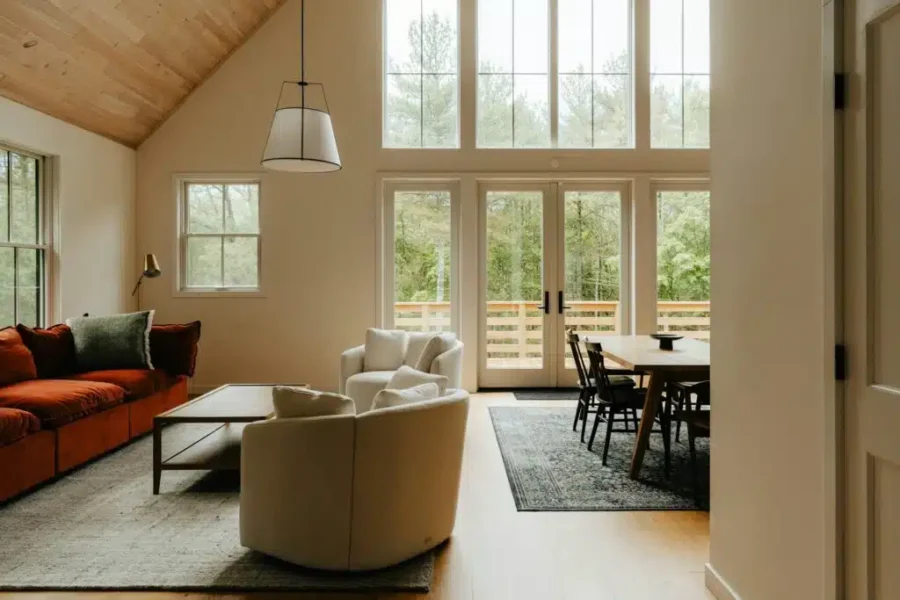
Creating a comfortable home all year round is about making small, practical changes that help your space adapt to every season. From improving insulation to using seasonal decor, simple adjustments can keep your home cool in summer, warm in winter, and welcoming whatever the weather.
By understanding your home’s needs and making thoughtful updates, you can improve comfort, reduce energy costs, and enhance everyday living. Whether it’s using natural light, adding cosy touches, or choosing the right plants and materials, these changes help create a home that supports your family’s well-being throughout the year.
Year-Round Climate Control Strategies
Ensuring your home stays comfortable throughout the year involves smart technology, effective insulation, and efficient ventilation. Using these approaches, you can manage temperature fluctuations and maintain a cosy environment all year long.
Smart Thermostats and Zoning Tricks
With smart thermostats, you can effortlessly control your home’s temperature with a few taps or even voice commands. These devices learn your habits, helping you save energy by automatically adjusting settings when you’re away or asleep. Advanced models can integrate with your smartphone, allowing for remote adjustments and notifications about unusual temperature changes.
Zoning your home can further enhance comfort levels. This involves dividing your home into different areas, each with its own thermostat. Rooms that face direct sunlight can be cooled more intensely, while less-used spaces require less heating or cooling. Zoning reduces energy waste, saving money while increasing comfort. Whether through smart thermostats or simple manual settings, zoning gives you flexibility and control.
Insulation Upgrades for Every Season
Insulation is crucial for retaining the desired indoor temperature. Adding layers of high-quality insulation in key areas like attics, walls, and floors can dramatically reduce energy costs. Materials such as spray foam, fibreglass, or cellulose can make a significant difference.
Pay attention to windows and doors, as these are common areas for drafts. Weatherstripping and caulking help to seal leaks and keep your home snug. Double or even triple-glazed windows are worth considering for better thermal efficiency. Investing in quality insulation keeps the heat out in the summer and the warmth in during the winter. These straightforward upgrades make a noticeable impact on climate control.
Ventilation and Airflow Hacks
Proper ventilation maintains a healthy atmosphere inside your home. It involves more than just opening windows; strategically using exhaust fans in kitchens and bathrooms can expel humid air, reducing mould growth. Smart ventilation systems can automatically regulate airflow based on humidity levels and outside temperature.
Ceiling fans are also effective tools. They circulate air, making rooms feel cooler in summer or pushing warm air down in winter. Place them wisely, and you’ll optimise airflow. Regular maintenance, like cleaning vents and changing filters, ensures your home remains fresh and comfortable. These strategies collectively contribute to a pleasant living environment, no matter what season it is.
Seasonal Decor and Comfort Swaps
Achieve comfort in your home all year by adjusting decor to match the changing seasons. Consider textiles for warmth or coolness, adaptable window treatments, and lighting that creates a cosy atmosphere.
Layering Textiles for Warmth or Cool
Layering textiles can significantly impact your indoor temperature and comfort. In cooler months, introduce materials like wool, cashmere, and heavy cotton to keep spaces warm and inviting. Woollen throws on couches and thick rugs underfoot add warmth and texture. For warmer seasons, swap in lightweight fabrics such as linen and breathable cotton, which help to dissipate heat. They create a fresh, airy feel, making your home comfortable even on the hottest days.
Consider purchasing decorative rugs that enhance comfort and style online from an extensive range of designs and colours. This can enhance both aesthetic appeal and comfort throughout the year. Regularly rotating these textiles ensures a fresh and inviting atmosphere for every season.
Window Treatments that Adapt to Weather
Pairing well-chosen window treatments with an air source heat pump can further improve year-round energy efficiency by reducing heat loss in winter and limiting heat gain in summer, helping your heating and cooling system maintain a comfortable indoor temperature with less energy.
Consider installing adjustable blinds or shades that allow you to control the amount of sunlight entering your room. These treatments can be dynamically adjusted throughout the day, optimising both light and temperature. Additionally, incorporating seasonal curtain colours and patterns can refresh the space and align your home’s aesthetic with the changing environment outside.
Transforming Spaces with Cosy Lighting
Lighting has an incredible ability to transform the feel of a room. In winter, warm lighting options, such as Edison bulbs and string lights, create an inviting and intimate environment. Utilising dimmers can further customise the ambient glow, making spaces feel snug and welcoming.
During the warmer months, take advantage of natural light. Arrange furniture to maximise sunlight exposure and use light-flavoured lamp shades to diffuse the light softly. Incorporating versatile lights with cool-toned bulbs can evoke a crisp, refreshing sensation, perfect for hot days. Transform your space year-round by adjusting lighting to match your comfort and mood needs as the seasons shift.
Healthy Home Habits for Changing Weather
As the seasons change, keeping your home comfortable and healthy requires attention to air quality and humidity levels. Maintaining a balanced and adaptable environment is key to enhancing your overall home experience.
Air Quality Tips for Each Season
During the spring, when pollen levels peak, consider using air purifiers with HEPA filters to reduce allergens indoors. Open windows on less pollen-heavy days to refresh indoor air. Summer sometimes brings increased humidity; improves air circulation with fans and keeps air conditioning units clean to avoid mould growth.
Fall is ideal for checking and replacing air filters to ensure dust accumulation is minimised. Finally, in the winter, when windows remain closed more often, regularly introduce outdoor air to lessen carbon dioxide buildup and ensure clean air circulation.
Sword: Keeping air vents unblocked and cleaning them periodically is a great way to maintain air quality. Rotating between these simple tasks as per the season keeps your home’s air fresh and healthy all year round.
Managing Humidity and Dehumidifiers
Proper humidity levels vary by season for optimal home comfort. During winter months, indoor humidity can drop drastically; use humidifiers to prevent dryness, which can cause skin irritation and respiratory issues. Target a humidity level around 30-50% for comfort.
Enter summer, with higher humidity levels. It’s crucial to use a dehumidifier to prevent mould and mildew and maintain an optimal humidity level. Place dehumidifiers in frequently used spaces like your living room to effectively manage moisture levels.
A quick tip: regularly monitor your home’s humidity with a hygrometer. Keeping a balanced indoor environment will not only ensure comfort but also help you manage energy usage efficiently. Your home should feel like a haven no matter what the weather brings.
Comfort That Lasts All Year
A comfortable home is built through small, thoughtful changes that work with each season rather than against it. By improving climate control, refreshing decor, managing air quality, and keeping humidity balanced, you can create a space that feels welcoming, healthy, and practical all year round.