
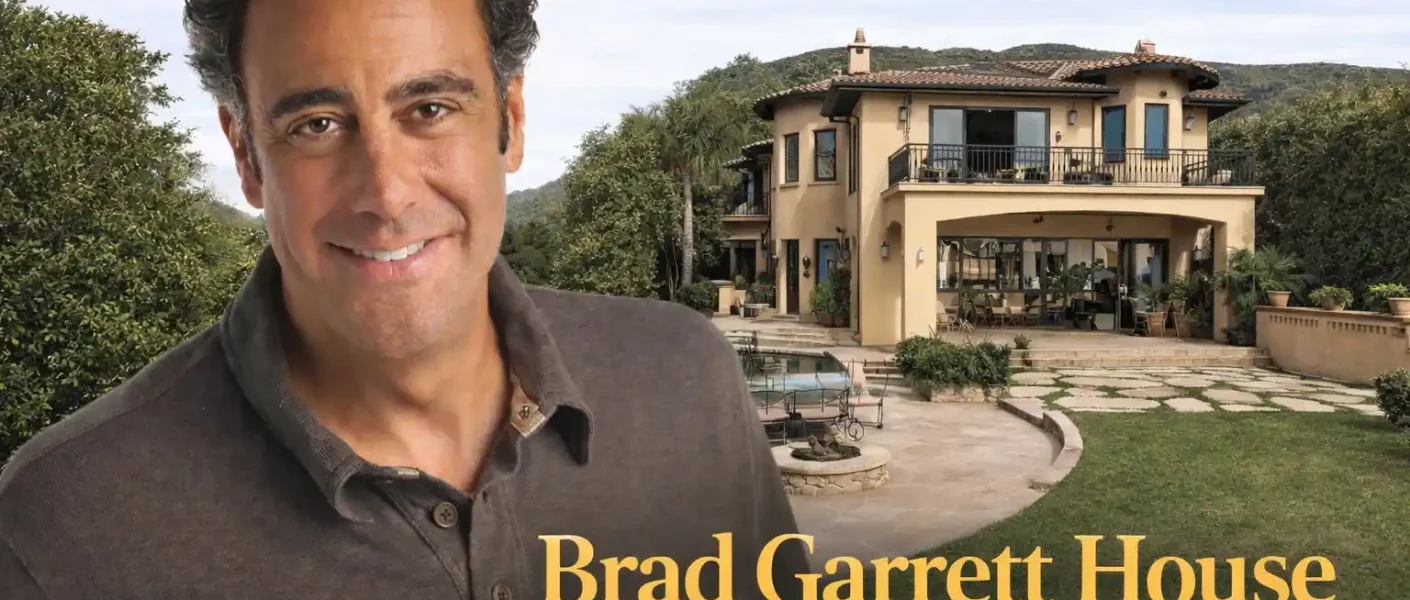
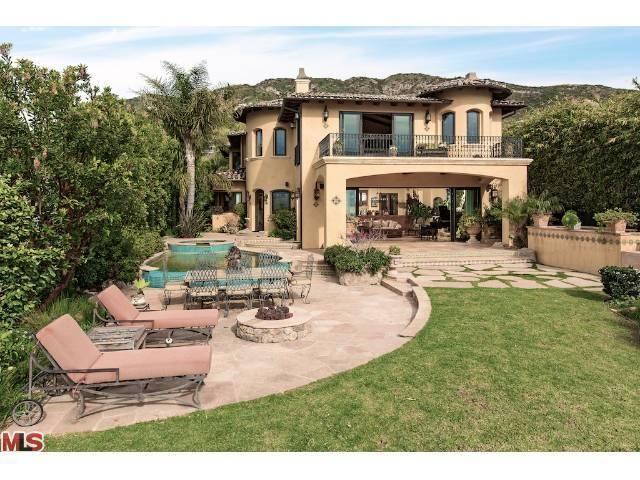
Most people know Brad Garrett as the towering, dry-witted brother from Everybody Loves Raymond. But from an architectural standpoint, the Brad Garrett house in Malibu tells a far more interesting story than any sitcom plotline. This bluff-top Spanish-style villa, purchased in 2006 for $8.8 million, represents a deliberate shift from suburban estate living to something far more elemental: raw Pacific coastline, intentional design, and the kind of spatial restraint that only a truly well-considered property delivers.
In recent years, the property’s estimated value has climbed to approximately $12 million, driven by Malibu’s fiercely competitive coastal market and the enduring appeal of architecturally grounded homes with unobstructed ocean exposure. Whether you’re researching celebrity real estate or evaluating what makes a luxury coastal property genuinely well-built, this estate offers a remarkably instructive case study.
Quick Facts at a Glance
| Feature | Detail |
|---|---|
| Property Type | Spanish-Style Villa |
| Location | Malibu, California (Bluff-top, oceanfront) |
| Estimated Value | Approximately $12 million |
| Year Built | 2005 |
| Year Purchased | 2006 ($8.8 million) |
| Living Area | Approx. 5,784 sq ft |
| Bedrooms | 5 |
| Bathrooms | 5.5 |
| Lot Size | Nearly 1 acre |
| Architect | Douglas W. Burdge |
| Notable Features | Home theater, vaulted ceilings, ocean views |
What Makes the Brad Garrett Malibu House Stand Out
The interior of the Brad Garrett house Malibu was designed to prioritize sight lines over spectacle. At approximately 5,784 square feet across five bedrooms and five and a half bathrooms, the home avoids the sprawling excess that defines many celebrity properties. Instead, the layout channels movement toward the ocean-facing spaces, creating a natural gravitational pull that works both practically and aesthetically.
Ocean-First Spatial Planning
The home is positioned on nearly an acre of bluff-top land, and the floor plan capitalizes on every inch of that positioning. The main living areas feature vaulted ceilings with exposed wood beams that draw the eye upward and outward toward floor-to-ceiling windows framing the Pacific. This isn’t accidental. The architect, Douglas W. Burdge, is known for designing Malibu residences that treat the coastline as the primary architectural element, not merely a view.
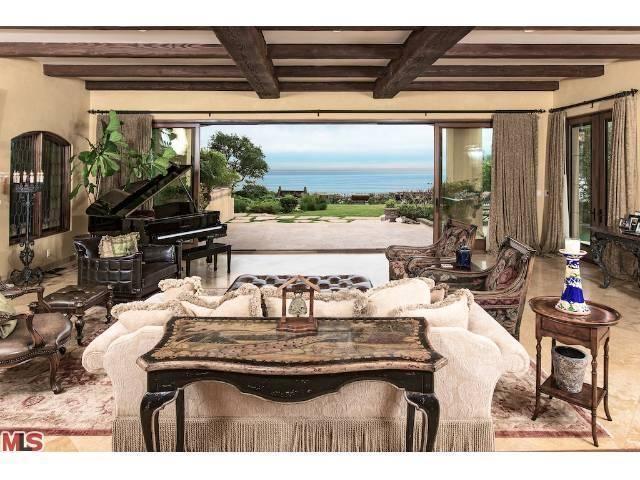
From a functional perspective, this ocean-forward design does something subtle but important. It eliminates the feeling of being indoors. The travertine and wood flooring throughout the main level extends visually onto exterior terraces, blurring the boundary between interior and exterior living. For a property in Malibu, where the climate supports year-round outdoor use, this design choice adds genuine livable square footage rather than just decorative outdoor space.
The Home Theater and Private Office
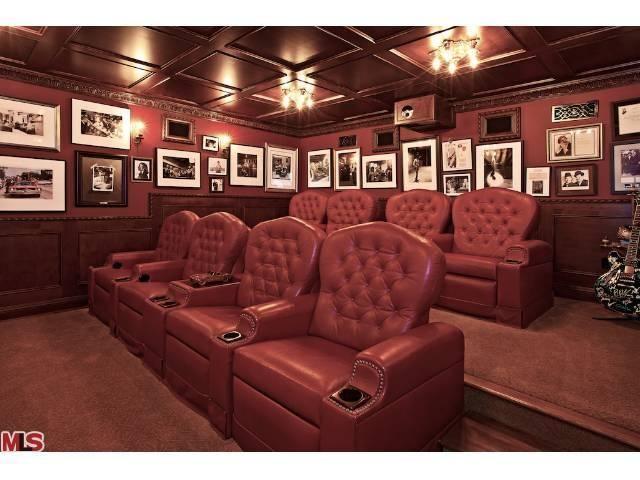
Among the Brad Garrett house features, the dedicated home theater and private office reflect a clear understanding of how high-net-worth individuals actually use their spaces. The theater isn’t simply a room with a large screen. It’s a properly enclosed, acoustically treated space that provides genuine separation from the open-plan living areas.
The office serves a similar purpose. In a home where the primary design language is openness and light, having a defined, enclosed workspace creates a functional contrast. It acknowledges that even in a home this beautiful, work requires a different kind of environment than relaxation.
Architectural Design: Why This Spanish Villa Works
The Brad Garrett Malibu mansion was built in 2005 and designed by Douglas W. Burdge, a Malibu-based architect with an extensive portfolio of coastal residences. The architectural style is Mediterranean-inspired Spanish, but it avoids the ornate excess that sometimes undermines that genre in luxury markets.
Material Integrity That Actually Matters
What distinguishes this property from the typical celebrity home is the material execution. The travertine flooring is not merely decorative. Travertine is a dense, naturally slip-resistant limestone that performs exceptionally well in coastal environments where salt air and humidity degrade lesser materials within years. Its use here signals that the builder prioritized longevity over trend.
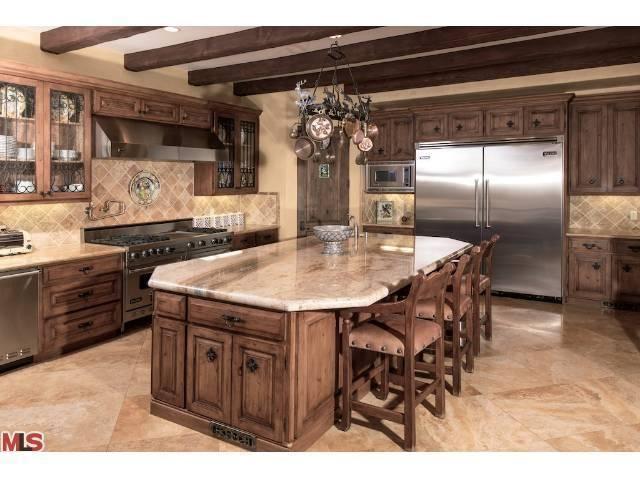
The leaded and stained glass windows, often dismissed as purely aesthetic, serve a dual purpose. They provide privacy from the beach below while filtering harsh coastal light into softer, more diffused illumination. In practical terms, this reduces glare on the interior spaces during peak daylight hours and diminishes the need for heavy window treatments that would obstruct the views.
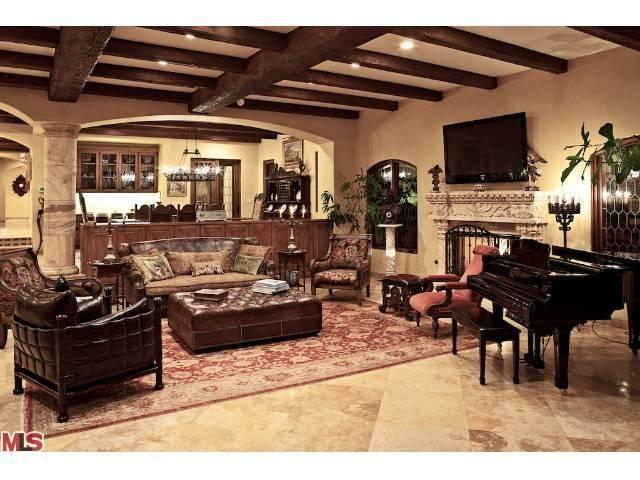
The custom molding and detailing throughout the interior and exterior demonstrate handcrafted construction rather than mass-produced trim. For anyone evaluating luxury properties, this is one of the most reliable indicators of genuine build quality. Machine-milled molding can look polished from a distance, but the tolerances and joinery of hand-applied detailing reveal themselves over time.
Bluff-Top Positioning: The Hidden Trade-Off
One factor that most coverage of the Brad Garrett estate overlooks is the practical implication of bluff-top positioning. The elevated location delivers extraordinary ocean views and a degree of privacy that beach-level properties cannot match. However, bluff-top homes in Malibu require ongoing geological monitoring and, in many cases, significant investment in erosion control infrastructure.
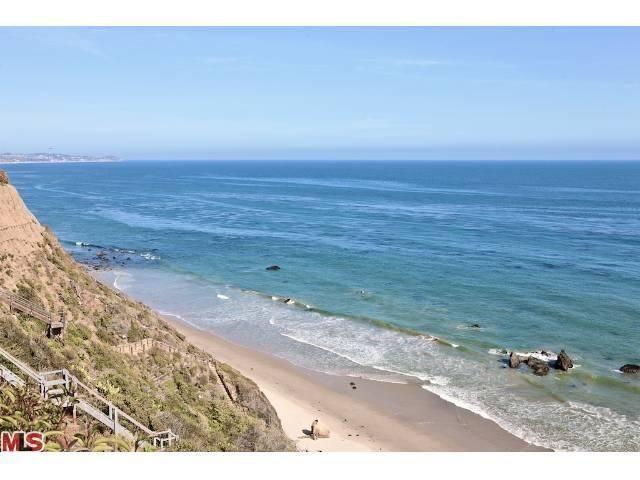
For a property like this, where the lot spans nearly an acre along the coastline, the maintenance considerations are substantial but manageable. The key question for any prospective buyer is whether the geological reports support long-term stability. Based on the home’s standing in the market and its repeated listings at premium prices, there is no indication of structural concern.
Brad Garrett’s Real Estate Portfolio Over the Years
Before settling into the Brad Garrett house in Malibu, the actor owned a French Country-style mansion in Hidden Hills, the guard-gated community in the western San Fernando Valley. That property was listed for $9.495 million in 2007 and reflected a fundamentally different approach to residential living.
The Hidden Hills house was a classic suburban estate: large lot, private setting, significant square footage in a community favored by entertainment industry professionals. The transition from Hidden Hills to Malibu represents a shift from interior-focused estate living to environment-focused coastal living. The Brad Garrett Hidden Hills house offered privacy and seclusion. The Malibu property offers engagement with the landscape.
What the Brad Garrett House Tells Us About Malibu’s Market
The trajectory of the Brad Garrett house price offers a clear window into Malibu’s coastal real estate dynamics. Purchased for $8.8 million in 2006, the property was listed at $10.995 million in 2012 and has seen its estimated value rise further to approximately $12 million in recent years.
That appreciation, roughly 36% over nearly two decades, is actually modest by Malibu standards, where some beachfront properties have doubled or tripled in value over the same period. The relatively measured appreciation likely reflects the property’s bluff-top position rather than direct beachfront access. Malibu buyers pay the highest premiums for properties with private beach access, and bluff-top homes, while still exceptionally valuable, typically command slightly lower per-square-foot prices.
Frequently Asked Questions
Where does Brad Garrett live?
Brad Garrett resides in Malibu, California, in a bluff-top Spanish-style villa overlooking the Pacific Ocean. He purchased the property in 2006 for $8.8 million and has owned it since. He previously maintained a residence in the guard-gated community of Hidden Hills.
How much is Brad Garrett’s Malibu house worth?
The Brad Garrett Malibu mansion is currently valued at approximately $12 million, reflecting significant appreciation from his $8.8 million purchase price in 2006. The home has been listed on the market multiple times, most recently at $10.995 million, though it is not known to have sold.
What style is Brad Garrett’s Malibu house?
The home is a Mediterranean-inspired Spanish-style villa designed by architect Douglas W. Burdge. It features vaulted ceilings, travertine and wood flooring, leaded and stained glass windows, and extensive custom molding throughout both the interior and exterior.
Does Brad Garrett still own the Malibu house?
As of recent reports, Brad Garrett still owns the Malibu estate. He has relisted it for sale on multiple occasions, including at $10.995 million in 2012, but no confirmed sale has been publicly recorded. The property’s current estimated value has risen to around $12 million.
What other homes has Brad Garrett owned?
Before the Malibu estate, Brad Garrett owned a French Country-style mansion in the guard-gated Hidden Hills community in Los Angeles County. That property was listed for $9.495 million in 2007 and was his primary residence during his run on Everybody Loves Raymond.
