
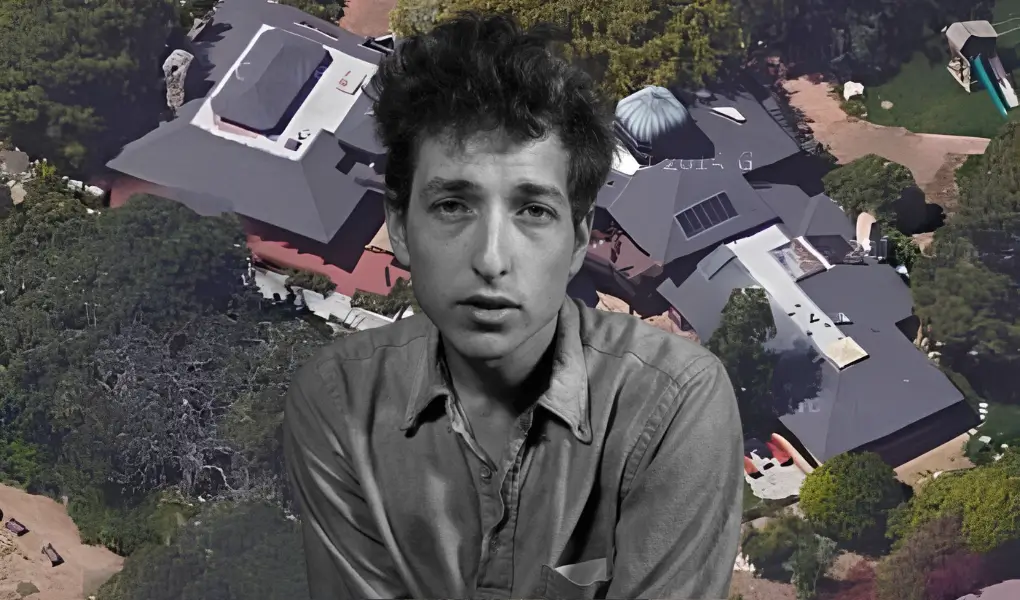
Bob Dylan lives in Point Dume, Malibu, California, where he has owned property since 1979. His custom Malibu estate combines Moorish, Spanish, and Santa Fe influences with handmade tiles, arches, a copper dome, and a coastal viewing tower.
Dylan also owned Aultmore House in the Scottish Highlands. He and his brother sold the 16-bedroom estate in 2023 for £4.257 million.
Bob Dylan House Quick Facts
| Property detail | Information |
|---|---|
| Primary residence | Point Dume, Malibu, California |
| Malibu purchase year | 1979 |
| Original purchase price | $105,000 |
| Malibu house size | About 6,000 square feet |
| Bedrooms | Six |
| Bathrooms | Seven |
| Architectural influences | Moorish, Spanish, and Santa Fe |
| Notable features | Handmade tiles, arches, copper dome, themed rooms, viewing tower |
| Former Scotland property | Aultmore House near Nethy Bridge |
| Scotland mansion size | About 18,000 square feet |
| Scotland estate land | Approximately 25 acres |
| Scotland bedrooms | 16 |
| Scotland bathrooms | 11 |
| Scotland purchase year | 2006 |
| Scotland sale year | 2023 |
| Scotland sale price | £4.257 million |
| Current Aultmore owner | Angus Dundee Distillers |
Where Does Bob Dylan Live?
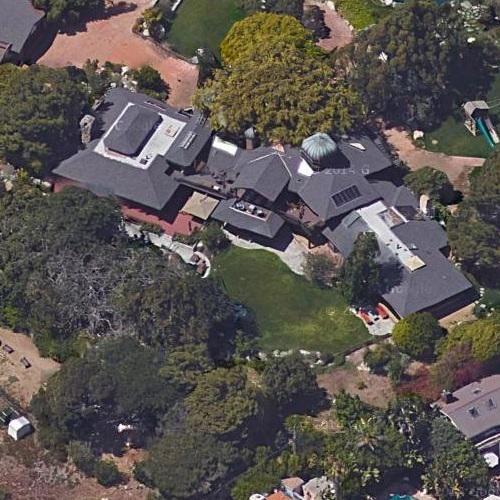
Bob Dylan lives in Point Dume, Malibu, California. He bought the original property in 1979 and developed it into a highly private coastal estate. The home contains about 6,000 square feet, six bedrooms, seven bathrooms, handcrafted finishes, and several distinctive architectural features.
Point Dume is a prominent coastal headland in western Malibu. It is known for ocean views, large residential parcels, cliffs, beaches, and limited through traffic.
These qualities make the area especially suitable for owners seeking privacy. Unlike central Malibu, Point Dume feels more residential and less exposed to heavy visitor activity.
Dylan expanded his privacy by acquiring properties around the original house. Controlling nearby land reduces overlooking and limits the risk of new construction close to the main residence.
For an estate of this kind, surrounding land can be more important than adding extra rooms. It protects views, creates landscape buffers, and improves security without making the house feel oversized.
What Does Bob Dylan’s Malibu House Look Like?
Bob Dylan’s Malibu house blends Moorish, Spanish, and Santa Fe design elements. Its defining features include handmade tiles, several types of arches, themed rooms, a copper dome, and a tower designed to take advantage of the coastal setting.
Designer Martin Newman worked with Dylan on the residence. Instead of following one strict architectural style, they created a home shaped by craftsmanship, atmosphere, and personal interests.
The result differs from the glass-walled contemporary mansions often associated with Malibu. Dylan’s estate has a warmer, more handcrafted character.
Handmade tiles create a one-of-a-kind interior
The Malibu house contains extensive custom tilework. A tile-making operation was established at the property during construction so pieces could be produced specifically for the home.
This approach allowed the design team to control color, scale, texture, and pattern. It also gave individual rooms a stronger identity.
Handmade materials bring depth that factory-produced finishes cannot always match. Slight variations make walls and surfaces feel more natural.
The disadvantage is maintenance. Replacing a damaged custom tile can be difficult because modern products may not match the original dimensions or glaze.
A careful owner must repair these surfaces rather than replace them with generic alternatives.
Arches shape movement between rooms
Several arch styles appear throughout the property. Arches soften transitions and help connect rooms without relying on standard rectangular openings.
They can also create a sense of sequence. Moving through the house becomes an architectural experience rather than a simple walk along a corridor.
From a practical perspective, arches reduce flexibility during renovations. New doors, glazing, or built-in furniture must fit the original curves and proportions.
However, that limitation is part of the home’s character. The architectural details were designed as permanent features, not temporary decoration.
The copper dome gives the house a clear identity
A Russian-inspired copper dome is one of the home’s most recognizable exterior features.
Copper performs well as an architectural material because it develops a protective patina over time. That natural surface change can help the material withstand coastal conditions.
Malibu’s salt air can be demanding on exterior metalwork. Materials and fixings must resist corrosion, moisture, and strong sunlight.
A well-designed copper element can age attractively, although joints and surrounding roof details still require regular inspection.
The viewing tower responds to the landscape
The estate includes a tower associated with whale watching and coastal views.
A tower is a practical way to gain elevation without expanding the main footprint. It allows occupants to see above nearby vegetation and surrounding structures.
This feature also connects the house to its location. It turns the ocean into part of the daily experience rather than simply a distant background view.
On exposed coastal sites, towers must be carefully designed for wind loading, waterproofing, and long-term structural movement.
How Big Is Bob Dylan’s Malibu House?
Bob Dylan’s Malibu residence contains about 6,000 square feet, six bedrooms, and seven bathrooms. It is large enough to include private bedrooms, guest accommodation, creative spaces, and formal rooms without reaching the extreme scale of many newer celebrity mansions.
The seven-bathroom layout improves privacy and daily function. Guests and family members can use separate facilities without relying heavily on shared areas.
Public descriptions also identify rooms with names such as the cathedral room and storytelling room.
These names suggest that the interior was designed around activities and atmosphere. That creates a more personal home than a layout based only on resale-friendly labels.
A themed room can strengthen the identity of a property, but it may be less adaptable. Future renovations must decide whether to preserve the original purpose or create a more flexible space.
Why Is Bob Dylan’s Malibu Estate Valuable?
Bob Dylan’s Malibu estate is valuable because it combines Point Dume land, long-term ownership, privacy, handcrafted architecture, and adjoining property acquisitions. These qualities are difficult to reproduce through new construction.
Luxury homes are often compared by square footage. That method is less useful for unique coastal compounds.
Two houses of the same size can have very different values depending on:
- Ocean views
- Parcel size and shape
- Road access
- Privacy
- Planning restrictions
- Fire exposure
- Coastal access
- Development potential
- Architectural quality
- Condition and maintenance history
Dylan’s property stands out because the house and surrounding land developed together over several decades.
A new buyer could build another 6,000-square-foot residence. Recreating the same landscape maturity, privacy, custom materials, and accumulated land would be much harder.
The estate’s current market value has not been publicly disclosed. Any precise figure would require a professional appraisal and confirmed parcel information.
Why Point Dume Is Important
Point Dume is one of Malibu’s most distinctive residential areas. Its cliffs, beaches, ocean views, and larger lots create a setting that differs from denser coastal neighborhoods.
Development in Malibu is affected by coastal planning rules, environmental protections, slope conditions, wildfire requirements, and access limitations.
These controls can make established estates especially valuable. A property that already has usable structures, landscaped grounds, and controlled access may be difficult to replicate.
This does not mean every older house is automatically more valuable. Building condition, structural quality, fire resilience, drainage, and maintenance still matter.
For a custom coastal estate, the most important technical concerns include:
- Roof and wall waterproofing
- Corrosion-resistant exterior materials
- Wildfire-resistant landscaping
- Stable slope and drainage design
- Emergency vehicle access
- Wind-resistant glazing and roof details
- Regular inspection of bespoke finishes
These issues affect how well a luxury home performs in real-world conditions.
Did Bob Dylan Own a Mansion in Scotland?
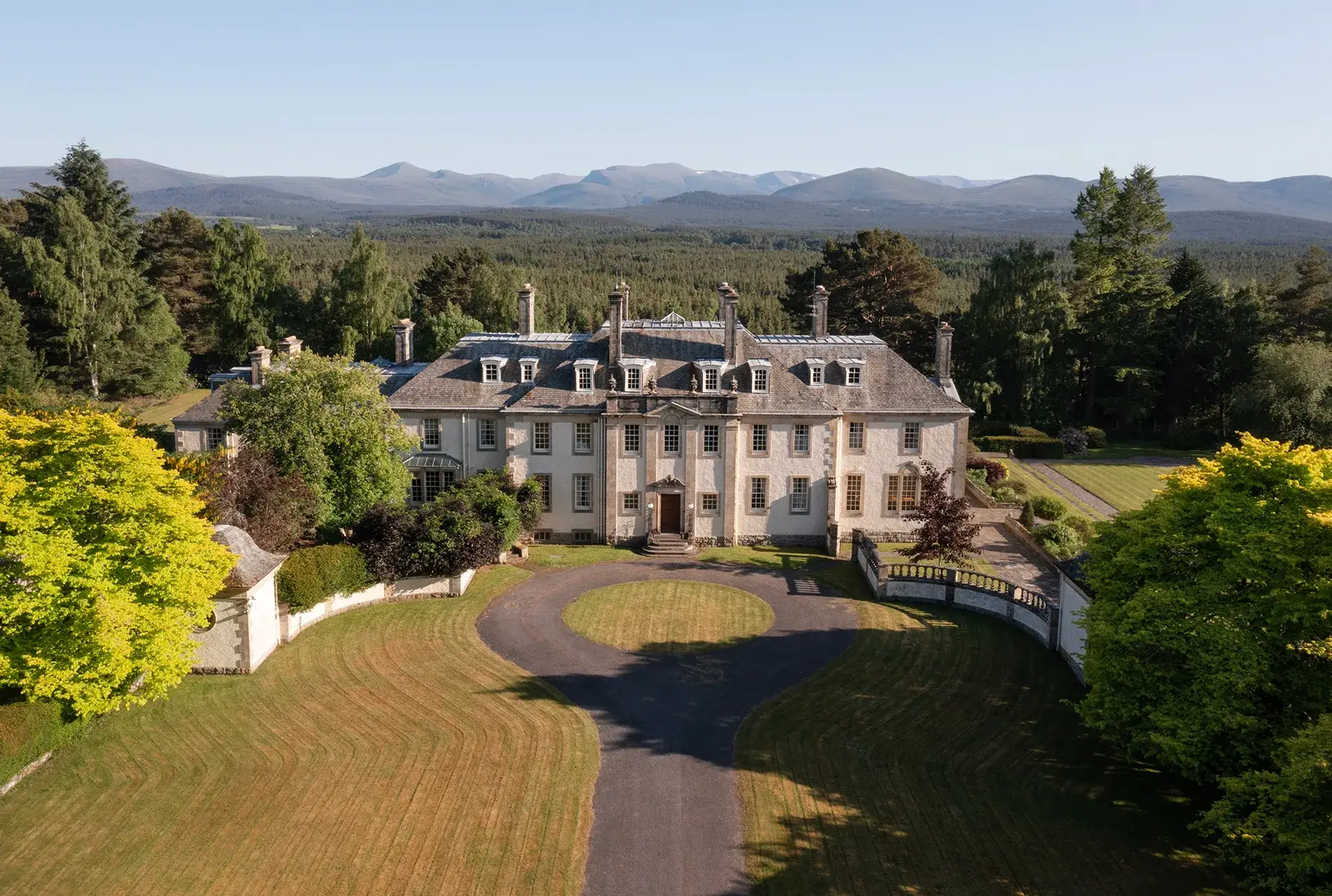
Yes. Bob Dylan and his brother owned Aultmore House near Nethy Bridge in the Scottish Highlands. They bought the estate in 2006. The property included an 18,000-square-foot mansion, about 25 acres, 16 bedrooms, 11 bathrooms, three cottages, formal gardens, and staff accommodation.
Aultmore House offered a completely different form of living from the Malibu estate.
The Malibu home is private, artistic, and shaped by coastal views. Aultmore was designed as a formal country estate capable of supporting guests, staff, events, and seasonal stays.
What Was Inside Bob Dylan’s Scotland Mansion?
Aultmore House contained 16 bedrooms, 11 bathrooms, two kitchens, formal reception rooms, offices, a billiards room, a music room, and a staff wing.
The wider estate included:
- Three four-bedroom cottages
- A Victorian greenhouse
- A walled garden
- An orchard
- A fountain
- A croquet lawn
- Formal terraces
- Mature woodland and garden planting
This arrangement divided the estate into separate living and service zones.
The main house supported formal entertaining and private accommodation. The cottages gave guests or staff more independence.
Two kitchens also improved daily function. One could handle normal household meals, while the other supported events, larger groups, or staff operations.
Historic materials added character
The mansion retained important period features, including timber floors, marble fireplaces, decorative plasterwork, archways, and a limestone staircase.
These materials helped preserve the building’s Edwardian identity.
They also increased maintenance demands. Historic plaster, timber, stone, and fireplaces require specialist repair methods.
Using modern materials without care can damage the original fabric or change the visual balance of a room.
Dylan upgraded the plumbing and electrical systems after buying the estate. Service improvements are essential in a property of this scale, especially when modern systems must be installed without damaging historic interiors.
What Architectural Style Is Aultmore House?
Aultmore House is an Edwardian country mansion designed by architect Charles Henry Bourne Quennell. The house and its formal gardens were developed between 1912 and 1914.
The property was planned as a complete estate rather than a standalone building.
Its architecture, approach, terraces, gardens, woodland, and views were designed to work together.
Historic features include formal avenues, a walled garden, mature planting, pleasure grounds, and carefully framed views across the landscape.
This unified planning is one reason the property has architectural significance.
A large modern house can provide similar floor space. It cannot easily reproduce the relationship between a century-old mansion and its established gardens.
Does Bob Dylan Still Own His Scotland Mansion?
No. Bob Dylan and his brother sold Aultmore House in 2023 for £4.257 million. Angus Dundee Distillers purchased the property, making the Scottish estate a former Bob Dylan home.
The sale price exceeded the property’s offers-over asking figure.
Aultmore’s value came from more than its 16 bedrooms. The price reflected the mansion, historic design, 25 acres, cottages, gardens, location, condition, and long-term development potential.
Large country estates also carry substantial operating costs.
Heating an 18,000-square-foot historic house can be expensive. Owners must also maintain roofs, stonework, drainage, windows, gardens, cottages, access roads, and service systems.
These costs can limit the buyer pool, even when the property is architecturally important.
How Was the Scotland Estate Owned?
Aultmore House was purchased through a company-linked ownership structure connected to Dylan’s business affairs.
This type of arrangement is common in high-value property transactions. It can support joint ownership, accounting, succession planning, privacy, or estate management.
A company structure does not necessarily make ownership secret. Land records, company filings, and transaction documents may still reveal the people or businesses connected to a property.
For Dylan’s Malibu home, the exact current holding structure is not publicly disclosed. The property remains associated with him as his long-term residence.
What Other Homes Has Bob Dylan Owned?
Bob Dylan has owned or been connected to properties in Malibu, Minnesota, Woodstock, Harlem, and Manhattan’s Turtle Bay Gardens.
His real estate history includes urban homes, rural land, a coastal compound, and a formal Scottish estate.
Each property served a different purpose:
- Malibu: Privacy, coastal living, and personal design
- Scotland: Seasonal use, formal accommodation, and historic architecture
- Minnesota: Rural land and greater geographic separation
- New York: Access to cultural and professional life
This portfolio shows that Dylan did not follow one fixed model of luxury ownership.
His properties varied by location, scale, architecture, and practical use.
Frequently Asked Questions
Where does Bob Dylan live?
Bob Dylan lives in Point Dume, Malibu, California. He bought the original property in 1979 and developed it into a private coastal estate. The home contains about 6,000 square feet, six bedrooms, seven bathrooms, handcrafted tiles, arches, a copper dome, and a viewing tower.
Where is Bob Dylan’s house in Malibu?
Bob Dylan’s house is in the Point Dume area of Malibu, California. Point Dume is a coastal headland known for ocean views, large residential lots, cliffs, beaches, and privacy. The property is a private residence and is not open to visitors.
How much did Bob Dylan pay for his Malibu house?
Bob Dylan bought the original Malibu property in 1979 for $105,000. That amount covers the initial purchase and does not include later construction, renovations, custom craftsmanship, or the cost of acquiring nearby properties.
How big is Bob Dylan’s Malibu house?
Bob Dylan’s Malibu house contains about 6,000 square feet. It has six bedrooms and seven bathrooms, along with themed spaces, handmade tilework, several arch styles, a copper dome, and a coastal viewing tower.
How much is Bob Dylan’s Malibu house worth?
The current value of Bob Dylan’s Malibu estate has not been publicly disclosed. Its value depends on the Point Dume location, parcel size, ocean views, privacy, custom construction, adjoining land, planning restrictions, and the difficulty of reproducing the estate.
Does Bob Dylan own a house in Scotland?
Bob Dylan no longer owns Aultmore House in Scotland. He and his brother bought the Highland estate in 2006 and sold it in 2023 for £4.257 million. Angus Dundee Distillers purchased the property.
How many bedrooms did Bob Dylan’s Scotland mansion have?
Aultmore House contained 16 bedrooms and 11 bathrooms. The estate also included two kitchens, reception rooms, offices, a music room, a billiards room, staff accommodation, three cottages, a greenhouse, formal gardens, and approximately 25 acres.
Is Bob Dylan’s Malibu home open to visitors?
No. Bob Dylan’s Malibu house is a private residence and is not open for public tours. Visitors should not approach the property, attempt to enter private roads, or disturb its occupants.
Final Overview
Bob Dylan lives in a custom estate in Point Dume, Malibu. The property is known for its handcrafted materials, eclectic architecture, coastal views, privacy, and long ownership history.
His former Scotland mansion represented a different form of luxury. Aultmore House combined Edwardian architecture, 16 bedrooms, historic gardens, guest cottages, and 25 acres of Highland landscape.
The Malibu estate is personal and artistic. Aultmore was formal, expansive, and designed for managed country living.
Together, the two properties show how architecture can respond to very different lifestyles, climates, landscapes, and ownership needs.
