
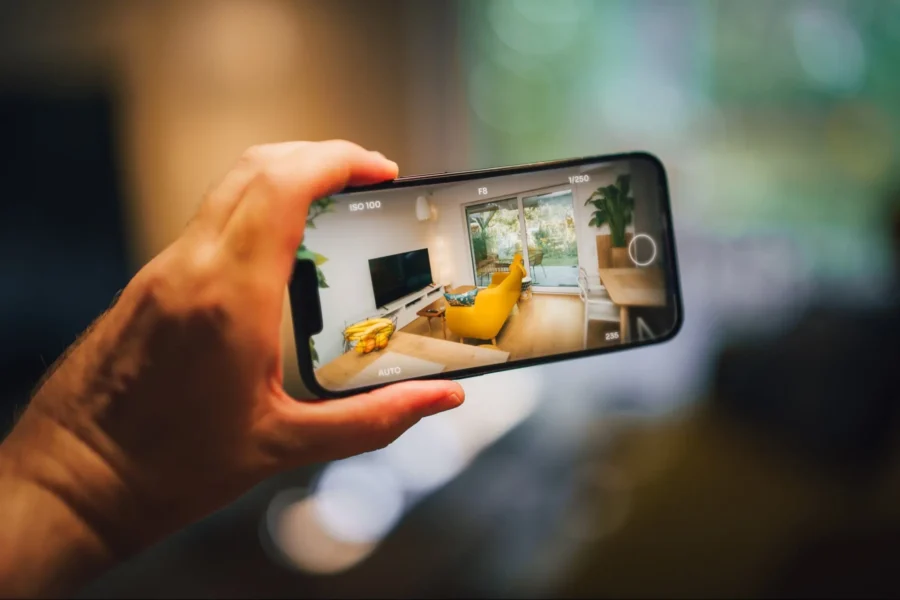
Luxury real estate video marketing is entering a new phase. Artificial intelligence can now help agents plan shoots, edit footage, improve audio, generate captions, translate narration, create social clips, analyse performance, and produce multiple versions of one property tour.
The most important change is not the creation of more dramatic videos. It is the ability to communicate complex properties more clearly.
A luxury home is more than a collection of attractive rooms. Buyers need to understand its approach, scale, circulation, natural light, material quality, outdoor connections, privacy, service spaces, and relationship with its surroundings.
AI can make that information easier to capture and distribute. It cannot replace accurate footage, architectural judgment, or honest representation.
Quick Answer
AI is changing luxury real estate video marketing by making production faster, more adaptable, and more accessible to international buyers. Agents can turn one professional property shoot into a long-form tour, short social videos, translated presentations, captioned clips, and personalised follow-ups.
The strongest results come when AI supports genuine property footage rather than altering the home beyond recognition. Luxury buyers still need an accurate view of the building, its proportions, condition, materials, setting, and spatial flow.
Why AI Has Become Important in Real Estate Marketing
Technology is already central to the way agents attract and communicate with buyers.
The 2025 REALTOR® Technology Survey from the National Association of REALTORS® found that 52% of REALTORS® used drone photography or video. It also found that 66% adopted new technology to save time, while 64% did so to improve the client experience.
AI builds on that existing digital workflow.
A production team may still use professional cameras, drones, stabilisers, architectural lighting, and experienced editors. AI can then reduce repetitive work after filming. It can identify useful clips, clean audio, generate captions, resize footage, translate scripts, and organise content for different platforms.
This matters in luxury real estate because one listing may need to reach:
- Local buyers
- Relocating executives
- International investors
- Second-home buyers
- Architecture enthusiasts
- Social media audiences
- Private clients receiving direct presentations
Producing a separate video for every audience is expensive and slow. AI makes it possible to develop several carefully controlled versions from one accurate master film.
Video Is Only One Part of the Buyer Experience
A cinematic property film can create emotion. It can show how sunlight moves across a room, how a garden relates to the main living space, or how a long entrance sequence builds a sense of privacy.
It should not be treated as a substitute for practical property information.
According to Zillow’s 2025 Consumer Housing Trends Report, 33% of prospective buyers ranked floor plans as the most important listing feature. High-resolution photography ranked second at 26%, while 3D or virtual tours ranked third at 20%. Standalone video was selected by 4%.
This data offers an important lesson for luxury agents. Buyers do not want spectacle alone.
The most effective listing package combines:
- A cinematic overview
- Accurate photographs
- A measured floor plan
- An interactive tour
- Detailed written information
- Focused videos explaining important features
AI should connect these assets rather than encourage agents to replace them with one heavily edited promotional film.
1. AI Is Making Pre-Production More Efficient
A successful luxury property video begins before the camera starts recording.
The team needs to decide which spaces deserve attention, when each room receives its best light, where drone footage is permitted, which architectural details matter, and how the property should be introduced.
AI planning tools can help organise:
- Room-by-room shot lists
- Filming schedules
- Presenter scripts
- Drone sequences
- Social media formats
- Feature checklists
- Interview questions
- Caption plans
This can save administrative time, but the final shot list should be reviewed by someone who understands the property.
A generic system may identify a kitchen island, swimming pool, or home cinema. An experienced property professional will notice more meaningful details, such as book-matched stone, concealed ventilation, bespoke joinery, uninterrupted sightlines, structural glazing, acoustic treatment, or a carefully planned service route.
AI can organise the production. Human expertise decides what deserves attention.
2. Editing Is Becoming Faster and More Modular
Traditional property editing requires a person to review large amounts of footage, select clips, remove weak shots, synchronise audio, add titles, and produce several aspect ratios.
AI-assisted editors can speed up many of these tasks.
They can identify stable footage, remove pauses, reduce background noise, transcribe speech, generate subtitles, suggest cut points, and reframe horizontal footage for vertical platforms.
This creates a modular content system.
One property shoot can become:
- A complete luxury home tour for YouTube or the agency website
- A shorter listing film for portals and email campaigns
- Individual room videos for social media
- Feature clips covering architecture, gardens, wellness spaces, or technology
- Presenter-led updates for prospective buyers
The master video should remain the accurate reference point. Shorter versions can then be created without losing control of the property narrative.
3. Multilingual Property Tours Can Reach Global Buyers
Luxury property markets often extend beyond one city or country. A buyer may be evaluating a home from another region before arranging a private viewing.
Subtitles are useful, but translated speech can create a more natural viewing experience.
AI dubbing can convert an approved narration into another language. Lip-sync technology can then adjust visible mouth movements so they correspond more closely with the replacement audio.
Tools such as Magic Hour lip sync allow users to upload existing video and replacement audio, then generate a synchronised version. The same approach can support translated property introductions without filming the presenter again for every language.
This may be helpful for:
- International listing campaigns
- Multilingual agent introductions
- Overseas investor presentations
- Luxury development launches
- Relocation marketing
- Translated social media clips
The translated script must still be checked by a fluent speaker. Property terminology can be precise, and a direct machine translation may distort the meaning of planning terms, materials, legal descriptions, or measurements.
Consent also matters. An agent, architect, owner, or presenter should approve the use of their face and voice before a synthetic version is produced.
4. AI Can Turn Long Tours Into Short Social Videos
A full luxury home tour may last several minutes. Most social viewers will first encounter the property through a much shorter clip.
AI can scan a longer video and identify sections that may work as individual posts. It can also generate titles, captions, transcripts, and vertical crops.
This allows a brokerage to build a series around one home:
- The arrival experience
- The main living room
- Kitchen design and materials
- Primary bedroom suite
- Landscape architecture
- Indoor and outdoor entertaining
- Wellness and leisure spaces
- Sustainable systems
- Architectural history
A short video should still deliver a clear idea. Random clips of marble, pools, cars, and chandeliers may create visual excitement, but they rarely help a serious buyer understand the house.
Each video should answer one useful question.
For example:
How does the kitchen connect to the entertaining spaces?
Does the primary suite have genuine privacy?
How does the glazing control heat and daylight?
What makes the restoration architecturally sensitive?
This approach creates stronger property content than a sequence of disconnected luxury images.
5. Virtual Staging Can Show Possibility Without Hiding Reality
AI virtual staging can place furniture, artwork, rugs, and lighting into an empty room. It can also show alternative interior styles or illustrate a proposed renovation.
This can be useful when a property is vacant, dated, unfinished, or difficult for buyers to imagine.
However, virtual staging must preserve the physical truth of the space.
It should not:
- Enlarge the room
- Raise the ceiling
- widen a window
- Remove a permanent structure
- Replace an undesirable external view
- Hide damage or poor condition
- Present an unbuilt feature as complete
The best practice is to label staged imagery and provide access to the original version. Zillow’s guidance on AI-generated listing images supports this truth-first approach. Zillow states that its virtual staging is clearly labelled and paired with the original unaltered image so buyers can compare both versions.
The same principle should apply to video.
A conceptual renovation sequence can be helpful. It should be introduced as a design visualisation, not shown as the current condition of the home.
6. Computer Vision Can Make Tours More Informative
Computer vision allows software to analyse visual information contained in images and video.
In property marketing, it may help identify rooms, objects, materials, outdoor features, and spatial relationships. It can also support interactive floor plans and 3D property experiences.
For luxury homes, this creates opportunities to connect the video with additional information.
A viewer could pause at a particular room and access:
- Its position on the floor plan
- Dimensions
- Material specifications
- Related photographs
- Heating and cooling information
- Smart-home controls
- Renovation history
- Planning documentation
- A nearby video chapter
This is more useful than simply adding more cinematic footage.
Luxury buyers often study a property before travelling to see it. A connected visual experience helps them understand whether the home deserves an in-person viewing.
7. AI Can Improve Accessibility
Property videos should work for more than one type of viewer.
Automatic transcription can create captions for people who are deaf or hard of hearing. Translated subtitles can support international viewers. Audio descriptions can explain important visual details to people with limited sight.
AI can also produce text summaries and searchable chapters. A viewer may jump directly to the kitchen, guest accommodation, garden, garage, or primary suite.
Accessibility improvements also benefit people watching without sound, browsing on a slow connection, or reviewing the property in a public setting.
Captions should be checked before publication. Automated systems can misinterpret names, addresses, architectural terms, and material specifications.
A small transcription error can change the meaning of an important property feature.
8. Personalised Videos Can Answer Different Buyer Questions
Not every buyer studies a luxury property for the same reason.
One buyer may focus on entertaining. Another may care about privacy, architecture, equestrian facilities, waterfront access, security, staff accommodation, or the ability to work from home.
AI can help organise approved footage into different presentations.
This does not mean creating a misleading version of the property for each viewer. It means arranging truthful information around a relevant question.
A family-focused version might explain bedroom separation, gardens, storage, and circulation. A design-focused version might examine materials, proportions, restoration work, and joinery. An overseas buyer may need more context about the location, access, management, and maintenance.
Personalisation should be based on stated property needs. It should never use protected characteristics or language that suggests which type of person belongs in a neighbourhood.
9. Performance Data Can Improve Future Videos
Video platforms provide large amounts of data, but total views alone reveal very little.
A luxury listing does not need millions of casual viewers. It needs the attention of a smaller number of suitable buyers and advisers.
Useful performance measures include:
- Qualified viewing time
- Completion rate
- Repeated views
- Clicks to the floor plan
- Requests for full property details
- Private viewing enquiries
- Performance by language or region
- Sections where serious viewers pause or return
AI analytics can help identify patterns across several property campaigns.
For example, viewers may leave during a long opening montage but remain engaged when the video begins with a clear explanation of the home. They may repeatedly return to a section covering the waterfront, primary suite, or guest accommodation.
These patterns can guide future filming. They should not encourage editors to remove important but less glamorous information.
What AI Should Never Change in a Luxury Property Video
Luxury marketing can be aspirational. It cannot be deceptive.
AI should never create a false impression of a home’s size, condition, location, outlook, privacy, construction quality, or completed features.
The following distinctions are important:
| Acceptable AI Assistance | Misleading Alteration |
|---|---|
| Removing temporary camera noise | Removing permanent road noise from the presentation |
| Adding captions and translations | Changing factual property details |
| Showing clearly labelled furniture options | Enlarging rooms or changing their proportions |
| Creating a conceptual renovation sequence | Presenting proposed work as completed |
| Correcting exposure to reflect the room accurately | Creating a view that does not exist |
| Removing a temporary production object | Hiding cracks, damage, stains, or structural concerns |
The Federal Trade Commission requires advertising to be truthful and supported by evidence. The same principle should guide every visual and spoken claim in a property film.
An Architecture-First Luxury Video Framework
In my work analysing luxury homes, I judge a property by how it is built and how it functions, not by how many dramatic features appear in the listing.
A useful luxury property video should follow the experience of the building.
Arrival and Context
Begin with the approach to the property.
Show the road, entrance, gates, driveway, landscape, neighbouring context, and relationship between the house and its site. These elements establish privacy and scale.
Aerial footage should clarify the property rather than repeat sweeping shots with no spatial purpose.
Entrance and Spatial Sequence
The threshold tells buyers how the house is organised.
Show what a person sees when entering, how the hall connects to the principal rooms, and whether the circulation feels natural.
Avoid cutting between rooms so quickly that their relationship becomes impossible to understand.
Proportion and Scale
Wide lenses can make a room appear larger than it is.
Use shots that preserve credible proportions. Include doors, furniture, worktops, or people when appropriate to give the viewer a reliable sense of scale.
Materials and Craftsmanship
Luxury materials deserve close inspection.
Show the texture, junctions, edges, hardware, grain, veining, and finish quality. A distant shot of an entire room may not reveal whether the stone, timber, metalwork, or joinery is genuinely well executed.
Light and Orientation
Film important spaces when their natural light is strongest.
Show how sunlight enters, whether glazing creates glare, and how indoor spaces connect with terraces, gardens, courtyards, or views.
A bright exposure should not be used to hide the actual light level of a room.
Function and Service Spaces
A luxury home must function behind the visible rooms.
Where privacy permits, show storage, utility spaces, secondary kitchens, garages, plant areas, staff accommodation, and service access.
These areas often reveal more about planning quality than a decorative reception room.
Indoor and Outdoor Connection
Show the complete movement from an interior space to the garden, pool, terrace, or waterfront.
A continuous sequence helps buyers understand thresholds, level changes, door systems, shelter, orientation, and usable outdoor depth.
A Responsible AI Video Workflow
Luxury agents and production teams need a repeatable approval process.
1. Confirm the Property Facts
Verify room names, measurements, finishes, amenities, ownership-approved claims, and planning information before producing scripts or captions.
2. Create an Accurate Master Film
The main video should be based on real footage and approved property information.
3. Use AI for Controlled Production Tasks
Apply AI to transcription, editing assistance, audio cleaning, subtitles, translation, format conversion, and clearly labelled visualisation.
4. Keep Original Files
Retain the raw footage, original photographs, scripts, consent records, and final approved versions.
5. Conduct Human Review
The listing agent and production lead should review every spoken claim, caption, translated line, visual alteration, and room label.
6. Disclose Material Changes
State when furniture, finishes, landscaping, narration, or visible elements have been generated or materially altered.
7. Protect Private Information
Luxury homes may contain family photographs, security systems, artwork, vehicle registrations, access controls, and personal documents. These details should be identified before footage is uploaded to an AI platform.
The National Association of REALTORS® guidance on brokerage AI policies highlights accuracy, fair housing, privacy, and professional oversight as key concerns. It also warns that agents remain responsible when AI produces incorrect property features or market details.
Will AI Replace Luxury Real Estate Videographers?
AI will replace some repetitive production tasks. It will not replace strong visual judgment.
A skilled property videographer understands composition, movement, lens choice, light, pacing, weather, reflective surfaces, and the practical challenges of filming a large home.
An AI system may recognise that a room contains expensive finishes. A strong videographer knows how to reveal the quality of those finishes without distorting their colour, texture, or scale.
The future is likely to involve smaller, highly skilled production teams using AI to manage editing, localisation, versioning, and distribution.
The camera work and final judgment will remain human.
The Real Opportunity for Luxury Agents
The main benefit of AI is not lower-cost spectacle.
It is the ability to build a more complete visual record of a property and deliver the right information in a form each buyer can understand.
A well-designed AI-assisted campaign can provide:
- A cinematic first impression
- A clear architectural walkthrough
- Short feature explanations
- International language versions
- Accessible captions
- Interactive spatial information
- Faster answers to buyer questions
This creates a better relationship between marketing and reality.
The film attracts attention. The floor plan explains organisation. The photographs preserve detail. The interactive tour allows exploration. The agent provides judgment and context.
Final Thoughts
AI is changing luxury real estate video marketing by making professional content easier to edit, translate, organise, and distribute.
Used carefully, it can help international buyers understand a home before travelling. It can turn one accurate property shoot into several useful assets. It can improve accessibility and reduce repetitive production work.
Used carelessly, it can exaggerate rooms, hide defects, invent views, misuse a person’s likeness, or create polished content that tells buyers very little about the building.
The best luxury property videos will not be the ones that use the most AI. They will be the ones that combine new production tools with architectural knowledge, factual accuracy, clear disclosure, and respect for the buyer.
Frequently Asked Questions
How is AI used in real estate video marketing?
AI can assist with shot planning, video editing, transcription, subtitles, audio enhancement, translation, lip synchronisation, virtual staging, content repurposing, and performance analysis.
Can AI create a complete property video?
AI can assemble footage and create simple videos from photographs or prompts. A high-value luxury property still benefits from professional filming, accurate property information, human editing, and final review.
What is AI lip sync in property marketing?
AI lip sync adjusts a presenter’s visible mouth movements to match a replacement audio track. It can help produce translated versions of an agent introduction or property presentation without filming every language separately.
Is AI virtual staging acceptable?
Virtual staging is useful when it is clearly labelled and does not alter the permanent structure, dimensions, condition, or outlook of the property. Buyers should also be able to view the original unaltered space.
Should AI-generated property content be disclosed?
Material alterations should be disclosed clearly. This includes virtual furniture, proposed renovations, synthetic narration, generated presenters, changed backgrounds, and visual elements that are not present at the property.
Can AI property videos replace floor plans and photographs?
No. Video creates emotion and explains movement, while floor plans show organisation and photographs preserve detail. The strongest luxury listing campaigns use these formats together.
What is the biggest risk of using AI in property videos?
The biggest risk is misrepresentation. AI can create convincing but inaccurate images, narration, measurements, features, and spatial impressions. Every output should be checked against the real property.
How can agents protect client privacy when using AI tools?
Agents should remove personal documents, family photographs, security details, access codes, financial records, vehicle registrations, and confidential client information before uploading property footage or data to an external platform.
