

When most celebrities hit it big, they head straight for Beverly Hills or Malibu. Tiffany Haddish did the opposite. The comedian and actress chose to plant her roots squarely in South Los Angeles — the same community where she grew up — building a property portfolio that reflects intention, not spectacle. Her primary residence sits in the Crenshaw neighborhood, and as of recent reports, she owns roughly a dozen properties across the South LA area.
The Tiffany Haddish house is not a mega-mansion. It is a thoughtfully maintained, three-bedroom home that tells a deeper story about how real wealth can be used to stabilize communities rather than simply signal status.

Quick Facts: Tiffany Haddish House
| Location | Crenshaw / Baldwin Hills, South Los Angeles, CA |
| Property Type | Single-family residential |
| Bedrooms / Bathrooms | 3 Bed / 2 Bath |
| Approximate Size | ~1,800 sq ft |
| Year Built | 1936 |
| Estimated Current Value | $750,000+ (2024 assessment) |
| Properties Owned | ~12 in South LA area |
| Net Worth (2026) | $6 million |
| Notable Feature | Custom kitchen with quartz countertops, walk-in closet |
| Community Role | Rents to foster youth organizations; Diaspora Groceries founder |
Inside the Crenshaw Home: What the Property Reveals

Tiffany Haddish’s primary residence is located in the Crenshaw area of South Los Angeles, within the broader Baldwin Hills corridor. Public records identify the property as a single-family home built in 1936 — a detail that immediately tells me something about its construction quality.
Homes from the mid-1930s in this part of LA were typically built with solid wood framing, hardwood floors, and plaster walls — materials that outlast the drywall and engineered lumber common in newer builds. The 1,800-square-foot footprint is modest by celebrity standards, but the three-bedroom, two-bathroom layout offers functional living space without wasted square footage.
From an architectural standpoint, the property reflects the classic California residential vernacular of its era: single-story, detached, with a yard that provides both privacy and outdoor utility. The lot sizes in this neighborhood tend to be generous compared to newer developments, which is a significant functional advantage for homeowners who value outdoor living or future expansion potential.
Kitchen and Interior Upgrades: Where the Investment Shows
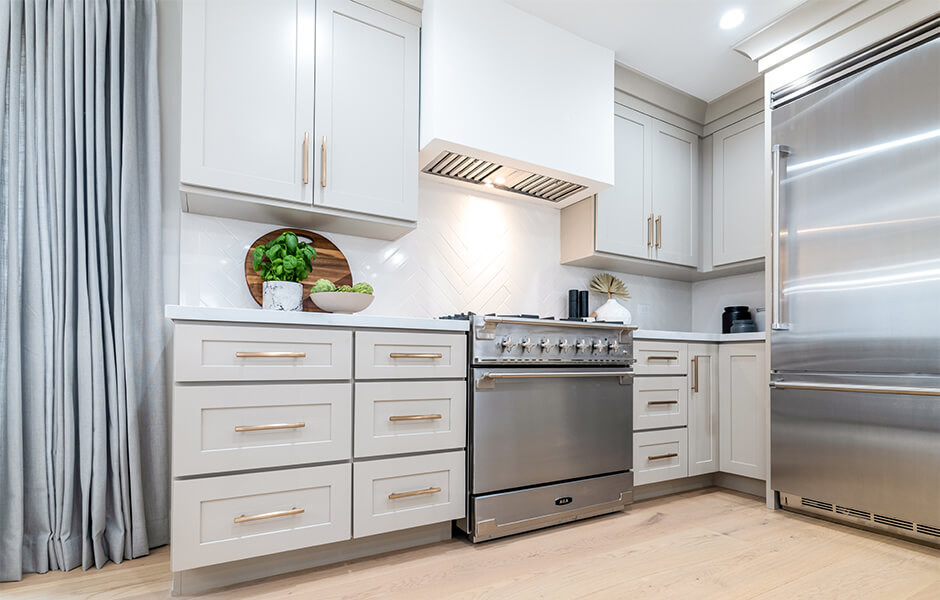
The most notable interior upgrade in Haddish’s home is the kitchen. Property listings confirm a full remodel featuring custom cabinetry and quartz countertops. This is a smart, value-driven renovation choice that deserves a closer look.
Why Quartz Matters in This Context
Quartz countertops are not just an aesthetic preference — they are a practical decision. Unlike natural stone, quartz is non-porous, meaning it resists staining, bacteria, and moisture without requiring annual sealing. In a home that sees regular entertaining, that durability translates to lower maintenance costs over time. From a resale perspective, quartz has become an expectation rather than an upgrade in the Los Angeles market, so this choice protects the home’s value.
Custom Cabinetry vs. Prefabricated
Custom cabinets indicate a higher renovation budget and attention to spatial efficiency. In older homes like this one, where kitchen footprints may not align with modern appliance sizes, custom cabinetry allows the layout to be optimized without compromising storage. Prefabricated options would have left gaps or required filler panels, reducing both function and visual cohesion.
The master bedroom includes a private bathroom and a walk-in closet — an addition that was almost certainly part of a renovation, given that 1936 builds rarely included ensuite arrangements. This upgrade significantly improves daily livability and is one of the highest-ROI changes a homeowner can make in a property of this vintage.
Exterior and Neighborhood Context: Why Location Is the Story
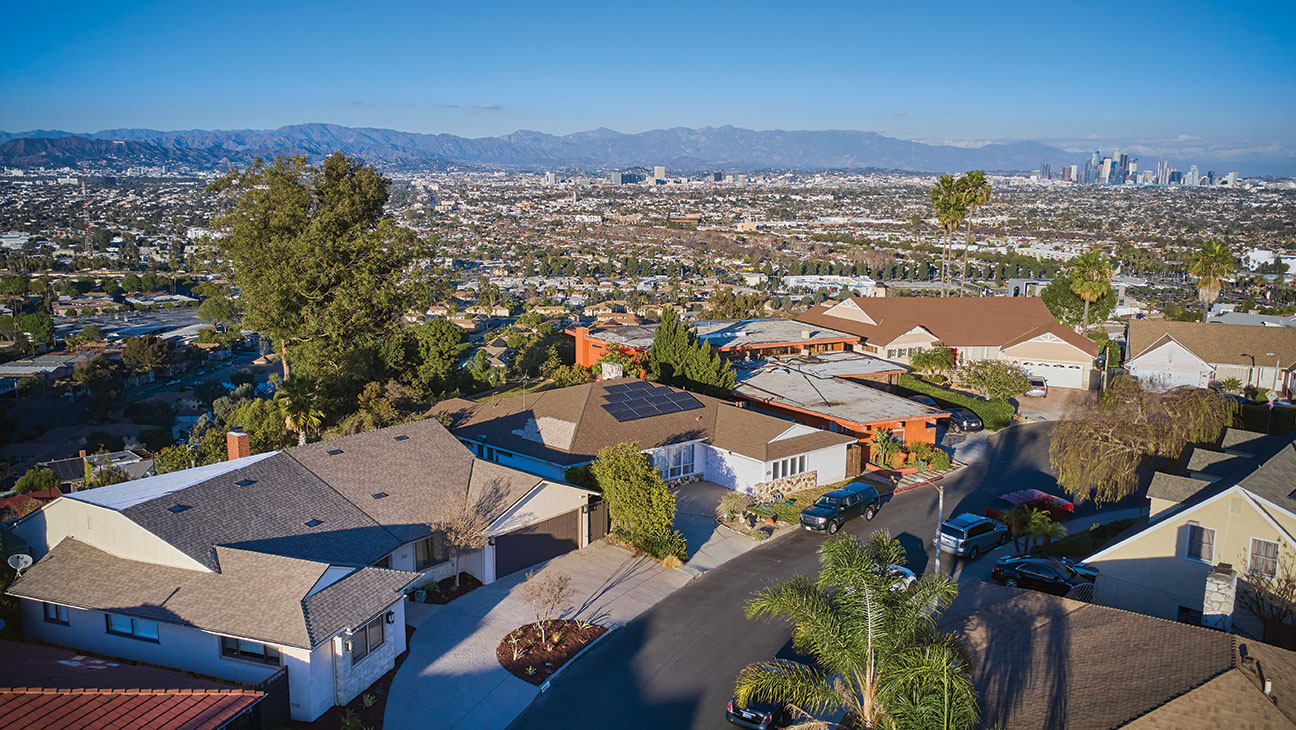
The Crenshaw neighborhood where Haddish lives is part of the larger Baldwin Hills / South LA corridor — an area often called the “Black Beverly Hills” for its historically affluent African American community. Tree-lined streets, well-kept lawns, and midcentury homes define the visual character. This is not a neighborhood of gated compounds; it is a neighborhood of established residents with deep community ties.
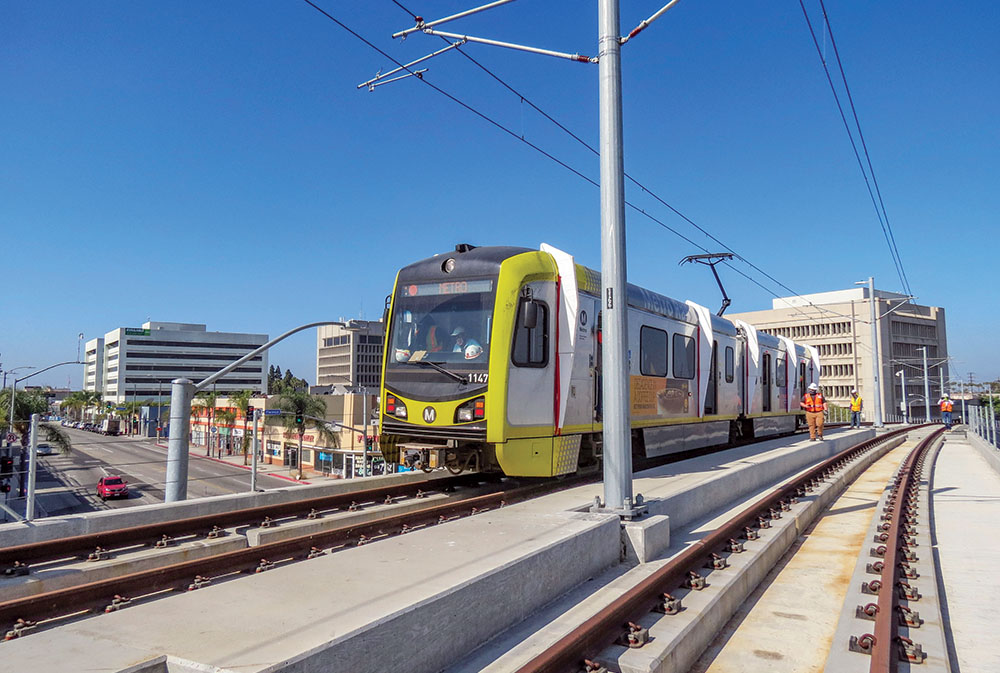
From a real estate perspective, this location matters enormously. South LA property values have seen significant appreciation in recent years, driven by proximity to the Crenshaw/LAX transit line and ongoing commercial development. Homes that traded in the low six figures a decade ago now command $700,000 and above. Haddish’s decision to invest here rather than in a trendier zip code was not just sentimental — it was strategically sound.
The exterior of her property reflects the neighborhood standard: maintained landscaping, mature trees providing natural shade, and a design that integrates with the streetscape rather than competing with it. In residential architecture, that cohesion is undervalued but critical. Homes that look like they belong in their neighborhood tend to hold value better than those that stand out for the wrong reasons.
Tiffany Haddish’s Real Estate Portfolio: A Dozen Properties and Counting
According to the Los Angeles Times (May 2024), Haddish owns approximately a dozen properties in the South LA area. This is not a celebrity compound situation. These are separate residential properties, many of which she rents to organizations that provide housing for foster youth — a cause rooted in her own experience growing up in the foster care system.
The Investment Strategy Behind the Portfolio
Haddish has spoken openly about her real estate philosophy: every time she earns a significant paycheck, she buys property. This is a disciplined, wealth-building approach that prioritizes equity accumulation over lifestyle inflation. It is also a strategy that requires patience — rental income builds wealth slowly, but it builds it sustainably.
- Diversification through location: By concentrating in South LA, she benefits from neighborhood-level appreciation trends while keeping management logistics manageable.
- Community-anchored tenancy: Renting to foster youth organizations provides stable, mission-aligned tenants rather than dealing with high-turnover individual rentals.
- Low leverage approach: Haddish paid off her primary residence using her entire $80,000 Girls Trip paycheck, signaling a preference for reducing debt rather than maximizing leverage.
From Homeowner to Community Developer: Diaspora Groceries
Haddish’s real estate ambitions extend beyond residential holdings. She is the driving force behind Diaspora Groceries, a planned 19,000-square-foot grocery store and community hub in the Crenshaw neighborhood. The project, which she has been raising $25 million to fund, is designed to address food insecurity in South LA while prioritizing Black and minority vendors.
The planned location at the Marlton Square redevelopment site positions the store at a commercial crossroads. From a development perspective, grocery-anchored retail is one of the most resilient commercial real estate categories. It drives foot traffic, supports adjacent businesses, and tends to maintain occupancy even during economic downturns.
This move reflects a sophisticated understanding of how residential and commercial real estate interact. By investing in the commercial infrastructure that serves her residential holdings, Haddish is effectively increasing the desirability — and therefore the value — of her entire portfolio.
How Haddish’s Home Compares to Typical Celebrity Properties
Most celebrity real estate coverage focuses on square footage, views, and price tags. Haddish’s property flips that script entirely. Her home is not the largest or the most expensive, but it may be one of the most strategically owned.
Consider the contrast: a $10 million mansion in the Hollywood Hills comes with property taxes, insurance, and maintenance costs that can exceed $150,000 annually. Haddish’s paid-off South LA home carries minimal carrying costs, generates rental income from her other properties, and sits in an appreciating market. The net effect is a real estate position that builds wealth rather than consuming it.
For anyone evaluating celebrity homes as more than curiosity, this is the detail that matters. The architectural integrity of a 1936 build, the strategic kitchen renovation, the neighborhood choice, and the portfolio approach all point to someone who understands that the best home is not the most expensive one — it is the one that works hardest for you.
Frequently Asked Questions
Where does Tiffany Haddish live?
Tiffany Haddish lives in the Crenshaw neighborhood of South Los Angeles, in the Baldwin Hills area. Her primary residence is a three-bedroom, two-bathroom home built in 1936. She has lived in this area for years and owns roughly a dozen additional properties nearby.
How many houses does Tiffany Haddish own?
As of 2024, the Los Angeles Times reported that Haddish owns about a dozen properties in the South LA area. Many of these are rented to organizations that house foster youth, reflecting her personal commitment to the community she grew up in.
How much is Tiffany Haddish’s house worth?
Public assessment records from 2024 value her primary residence at approximately $753,000, though market value in the Baldwin Hills corridor likely exceeds that figure given recent appreciation trends across South Los Angeles.
Did Tiffany Haddish pay off her house?
Yes. Haddish used her entire $80,000 paycheck from the 2017 film Girls Trip to pay off the remaining balance on her home. She had already paid down roughly half the mortgage while living on $500 a month during her time on The Carmichael Show.
What is Diaspora Groceries?
Diaspora Groceries is Haddish’s planned 19,000-square-foot grocery store and community hub in Crenshaw, designed to provide affordable, healthy food options while supporting Black and minority vendors. She has been raising $25 million to fund the project.
This article is based on publicly available property records, verified media reports, and professional architectural analysis. No private or unverified information has been included.
