

The iconic television and radio host Ryan Seacrest is just as famous for his legendary real estate flips as he is for hosting American Idol and Wheel of Fortune. If you are searching for the definitive look inside the ryan seacrest house portfolio, you will find that his residential footprint spans breathtaking architectural masterpieces from Southern California to wine country.
Currently, the multi-media mogul splits his time between his brand-new $36 million Bel-Air mansion (known historically as the Copa De Oro estate) and his breathtaking Napa Valley estate, which is currently on the market for an adjusted $19.8 million. Let’s take an exclusive look inside the multi-million dollar properties he calls home.
The Current Primary Residence: The Copa De Oro Estate ($36 Million Bel-Air Mansion)
In late 2024, Ryan Seacrest secured a stunning slice of Hollywood history. He purchased a classic 1928 Spanish-Mediterranean estate in Bel-Air, Los Angeles for $36 million. According to transaction details first verified by the Wall Street Journal Luxury Real Estate Report, the property was purchased from fashion tycoon Serge Azria, who had previously spent three years meticulously restoring the grounds. Notably, this iconic residence was also previously owned and renovated by Oscar-winning actress Diane Keaton, who is renowned for her passion for architectural preservation.
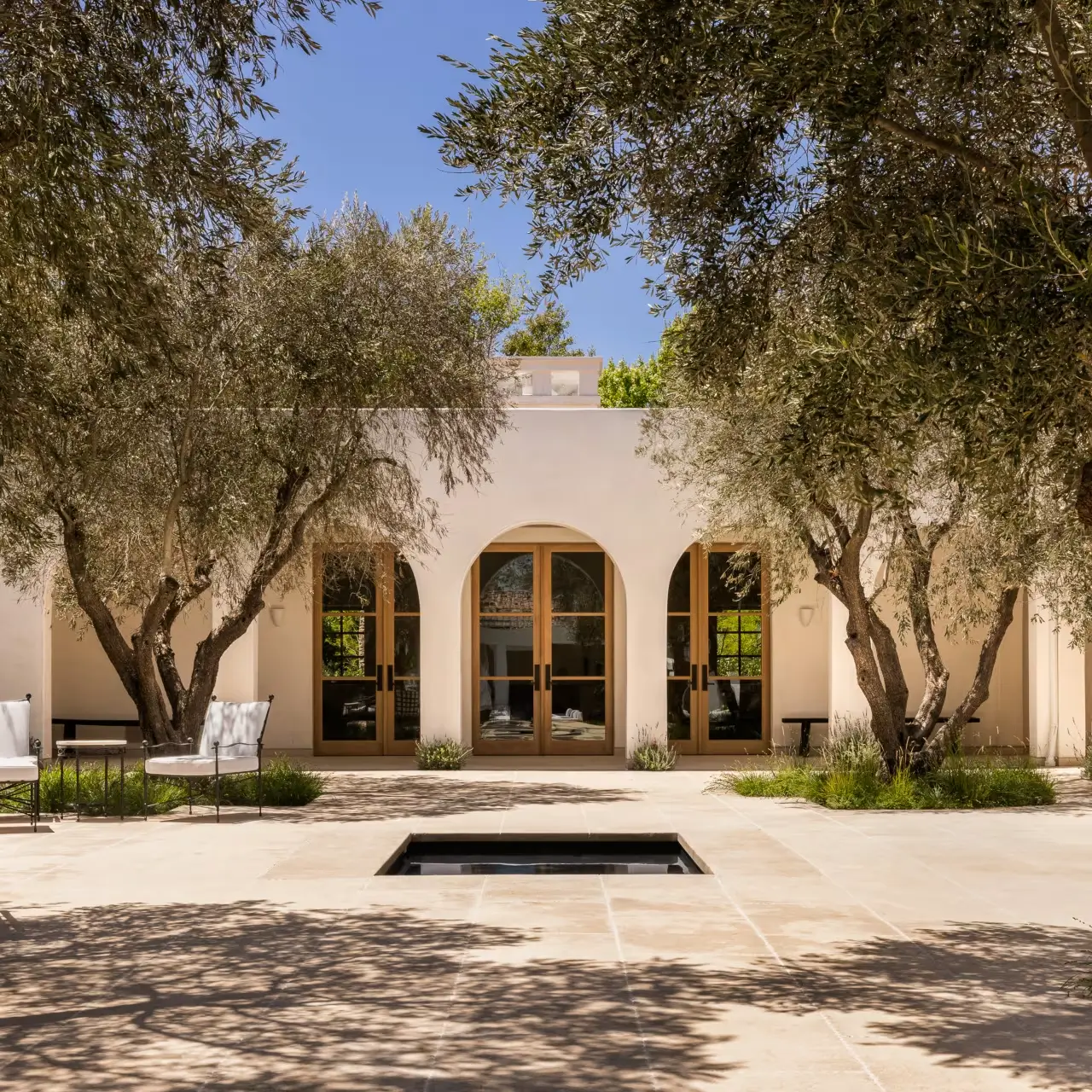
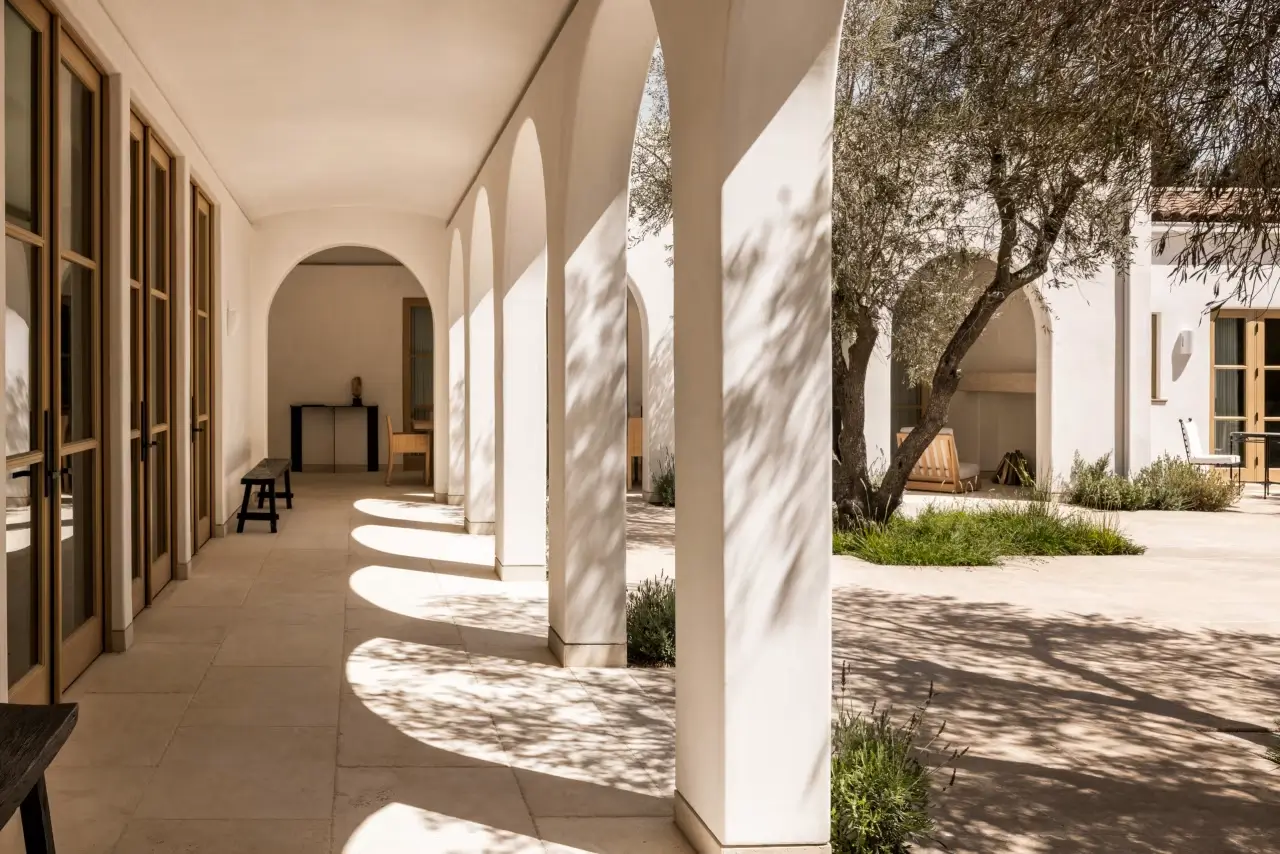 Alt: Ryan
 Key Features of the Bel-Air Property:
- Sizable Footprint: Spans roughly 11,000 square feet of ultra-private, gated living space sitting on a 0.88-acre lot.
- Interior Luxury: Features a U-shaped layout hosting 7 lavish bedrooms, 10 bathrooms, two full gourmet kitchens, and a living room with vaulted ceilings.
- Custom Lighting & Amenities: Adorned with over 150 bespoke, custom-bronze light fixtures, a private wine cellar, a steam room, and a built-in sauna.
- Outdoor Living: Includes two private courtyards, mature olive trees, a 4,000-square-foot garage for up to six cars, and a standalone pool house complete with its own wood-burning fireplace.
The Wine Country Escape: 232 North Fork Crystal Springs Road ($19.8 Million Napa Valley Compound)
When Seacrest wants to escape the hustle of Hollywood, he retreats to his massive 40-acre compound nestled at 232 North Fork Crystal Springs Road in St. Helena, California. Originally designed in 2004 by famed Napa Valley architect Howard Backen, Seacrest purchased the property in 2020 for $14 million. He then hired a premier design “dream team” to execute a massive top-to-bottom modern remodel. This team included architectural designer Silvia Nobili (of Nobili Marques Arquitectura), luxury builder Grassi Construction, and designer Clint Nicholas.
After briefly listing the estate for $22 million, real estate logs tracked by the San Francisco Chronicle show Seacrest adjusted the price to $19.8 million, offering a buyer the ultimate luxury resort lifestyle. The expansive compound totals 10,750 square feet across three distinct structures: a main house, a rustic pool house, and a private guest cottage.
Highlights of the Napa Valley Estate:
- Room Breakdown: Features a total of 5 spacious bedrooms, 6 full bathrooms, and one powder room across the entire compound.
- Authentic Materials: Designed with chiseled limestone walls, a slate roof, antique French limestone floors, and reclaimed wood-beam ceilings featuring seven wood-burning fireplaces.
- The Secret Media Room: Includes a custom media viewing den hidden entirely behind a secret, automated bookshelf door.
- The Ultimate Kitchen: Outfitted with an eat-in island, a commercial-grade pizza oven, a copper backsplash, and a wood-burning fireplace featuring a built-in rotisserie.
- Lush Grounds: Boasts a 220-tree Italian olive grove (where Seacrest presses his own brand of organic olive oil), an infinity pool, a spa, a koi pond, and a bocce court.
Ryan Seacrest’s Notable Past Real Estate Flips
With an estimated net worth of $500 million, Seacrest is widely regarded as one of the savviest celebrity real estate investors in the world. He consistently buys legendary estates, upgrades them with masterful design renovations, and sells them to fellow billionaires for massive profits.
| Property Location | Notable Past Owner / Buyer | Purchase Price | Sale Price |
|---|---|---|---|
| Beverly Hills Compound | Originally built by Buff & Hensman; Bought from Ellen DeGeneres and sold to tech billionaire Brian Long. Surviving a minor property fire, Seacrest completely overhauled the acreage before selling. | $36.5 Million (2012) | $51 Million (2022) |
| West Village Penthouse (NYC) | Triplex penthouse sold directly to Fanatics billionaire Michael Rubin. | $31.5 Million | $43 Million (2018) |
Frequently Asked Questions About Ryan Seacrest’s Houses
Where does Ryan Seacrest live now?
Ryan Seacrest’s primary residence is his Bel-Air estate in Los Angeles, California. He purchased the 1928 Spanish-style home to remain close to his West Coast filming studios for American Idol and Wheel of Fortune.
How much did Ryan Seacrest pay for his Bel-Air house?
Ryan Seacrest paid $36 million for his Bel-Air home, securing a significant discount from its initial $48 million listing price after fashion mogul Serge Azria completed a three-year renovation.
Did Diane Keaton own Ryan Seacrest’s house?
Yes. Ryan Seacrest’s current Bel-Air home was owned by actress Diane Keaton roughly twenty years ago, who left behind a legacy of architectural character before selling the estate.
Is Ryan Seacrest selling his Napa Valley home?
Yes. Ryan Seacrest has officially relisted his 40-acre Napa Valley compound located at 232 North Fork Crystal Springs Road for $19.8 million, a $2.2 million drop from his initial asking price.
