
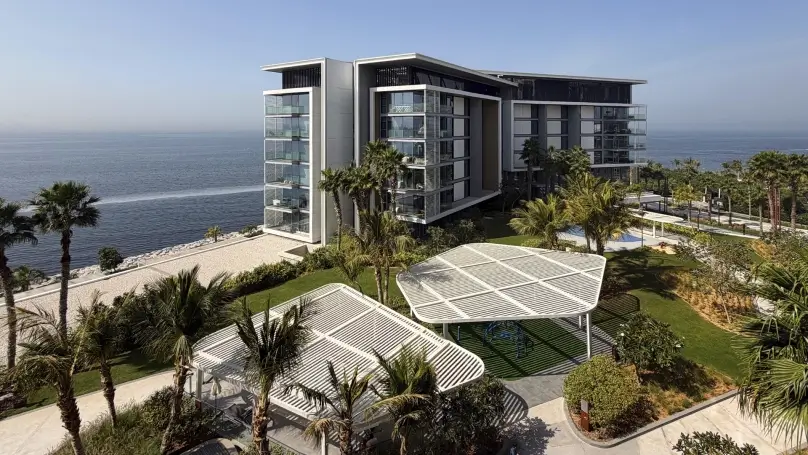
The real estate system in Dubai is often analyzed not as a traditional housing market, but as a rapidly evolving investment environment shaped by migration flows, infrastructure scaling, and long-term urban planning policies. Unlike many global cities where development occurs gradually, Dubai’s growth pattern has been driven by large, pre-planned districts that are introduced in phases and then rapidly integrated into the urban fabric. For individuals exploring buying property in Dubai with expert guidance, the market structure itself becomes an essential part of decision-making.
One defining element of this system is the absence of a single dominant residential model. Instead, the city operates through a collection of independently designed zones, each with its own architectural logic, density level, and functional purpose. As a result, property selection is less about a uniform market and more about choosing between distinct micro-environments.
Core Dynamics Influencing Market Development
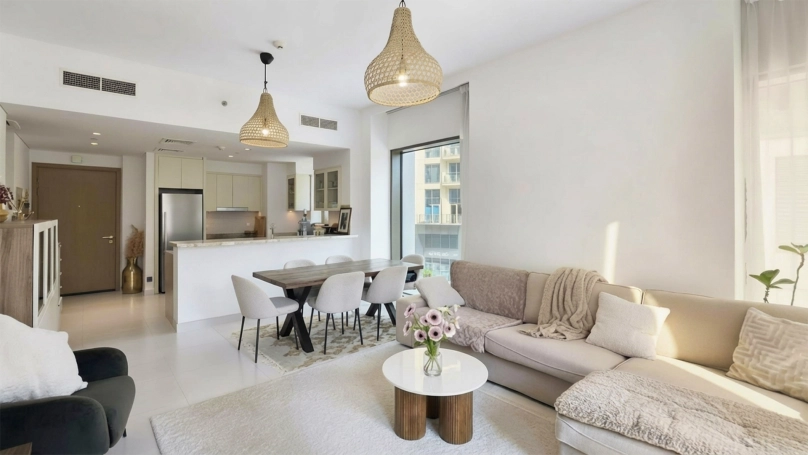
Before outlining key factors, it is important to understand that Dubai’s property sector is closely linked to broader economic and infrastructural cycles rather than isolated residential demand. Development decisions are often tied to long-term city expansion plans rather than short-term housing shortages.
- Gradual expansion of transport corridors connecting new residential districts.
- Continuous population inflow driven by employment and business relocation.
- Large-scale master-planned communities introduced in development stages.
- Integration of digital systems into building management and housing services.
- Cross-sector dependence between tourism activity and residential occupancy.
Technological integration in residential environments is becoming increasingly visible, although its implementation varies significantly across districts. In some areas, automation is primarily focused on security and access control, while in others it extends to energy monitoring and centralized building management systems. These differences reflect the uneven pace of modernization across the city’s development zones.
Environmental planning has also started to influence architectural decisions, particularly in newer districts where layout design considers pedestrian circulation, shading, and spatial distribution of green elements. However, rather than being uniformly applied, these principles appear selectively depending on the scale and purpose of each development project.
Another structural feature of Dubai’s property sector is its global participant base. The market is shaped by mobility patterns of professionals and investors from multiple regions, resulting in a demand structure that is not tied to a single cultural or economic group. This contributes to a relatively flexible pricing and occupancy model across different segments.
In broader perspective, the evolution of Dubai’s real estate system is closely connected to long-term strategic planning and continuous infrastructure expansion. Instead of following a linear growth model, the city demonstrates a segmented development pattern where each new district modifies the overall structure of the market. This makes the sector a constantly shifting framework rather than a static housing environment.