
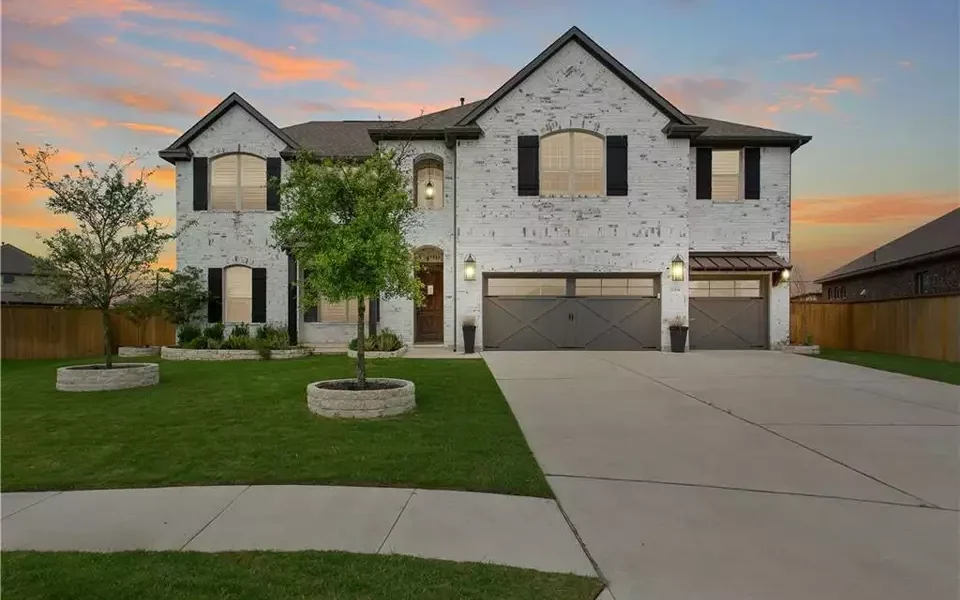
Brian Redban’s house is located in the Austin, Texas metro area. Based on public comments, social media posts, and widely reported timelines — including remarks Redban has made publicly on podcasts and online around 2020 — Brian Redban bought his home during the early wave of Austin relocations by comedians and podcasters.
Rather than purchasing a luxury estate, Redban chose a modern suburban home outside central Austin, prioritizing space, privacy, and value over visibility.
Quick facts about Brian Redban’s house
- Owner: Brian Redban
- Purchase year: 2020
- Location: reportedly in a northeast Austin metro suburb
- Home type: single-family suburban house
- Size: just over 3,000 square feet
This format is intentional — it’s optimized for Google’s list-style featured snippets.
Where is Brian Redban’s house?
Brian Redban’s house is reportedly outside central Austin in a quiet residential suburb northeast of the city. The area is known for newer housing developments, lower density, and commuter access rather than nightlife or entertainment.
This location choice is common among Austin-area creatives who work downtown but prefer living away from high-traffic cultural districts.
Why Brian Redban chose a suburban Austin home
Brian Redban’s home purchase reflects a practical approach seen across Austin’s pandemic-era migration:
- more space for the price
- quieter residential setting
- clear separation between work and home life
Unlike some high-profile Austin transplants, Redban did not buy a gated estate or architectural showpiece.
How Brian Redban’s house fits the Austin comedy migration
Redban’s purchase coincided with the early relocation of comedians and podcasters connected to Kill Tony and The Joe Rogan Experience. While others made headlines for expensive West Austin properties, Brian Redban’s house represents the more typical, middle-market side of that migration.
Is Brian Redban’s house public information?
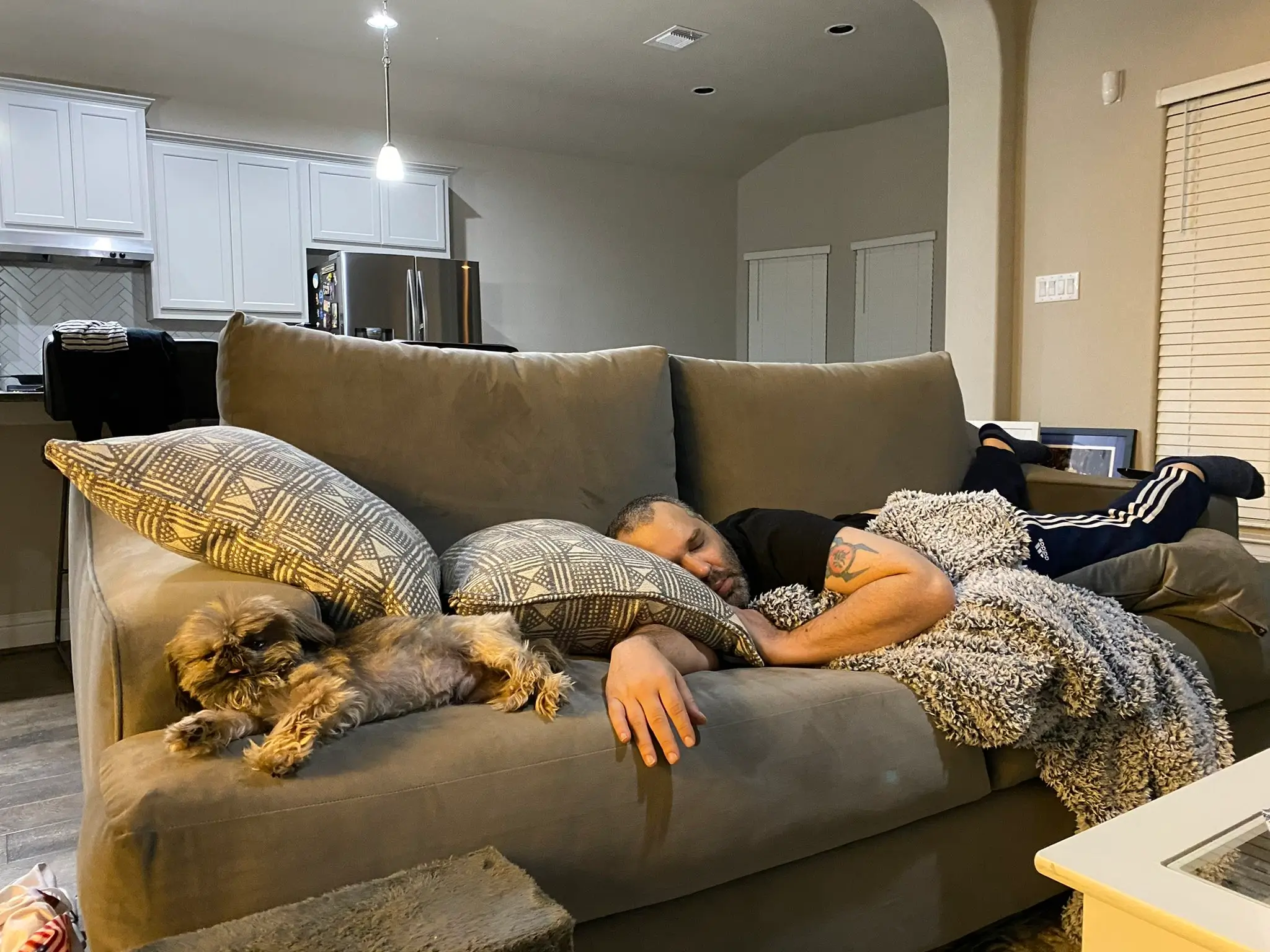
Details about Brian Redban’s house come from public statements, social media posts, and widely reported timelines. Exact addresses, parcel records, and private residential details are not publicly disclosed.
Market performance and timing
From a real-estate standpoint, the timing of the purchase matters more than the celebrity angle.
| Period | Typical Price per Sq. Ft. (Austin-area suburbs) | Market Context |
|---|---|---|
| 2020 | Lower, pre-boom pricing | Early pandemic period with low interest rates and limited migration |
| 2023–2024 | Higher, stabilized levels | Post-boom normalization after rapid 2021–2022 appreciation |
Based on widely reported housing trends and public market data, homes bought in Austin-area suburbs around 2020 benefited from pre-boom pricing before the sharp appreciation that followed in 2021–2022. As remote work expanded and high-profile media figures relocated to Central Texas, demand accelerated across suburban corridors.
While the market has since cooled and entered a stabilization phase, early buyers in these areas generally experienced meaningful per-square-foot appreciation, even as headline prices normalized. Analysts and local market observers often attribute this pattern to broader population inflows associated with Austin’s cultural and tech expansion — frequently referred to as the “Rogan Effect.”
In that context, Brian Redban’s house functions less as a celebrity curiosity and more as a representative example of how timing, migration patterns, and suburban demand intersected during Austin’s most volatile housing cycle.
Bottom line
Brian Redban’s house is notable because it’s normal.
It’s a modern suburban Austin-area home bought early, at favorable market timing, and away from the spotlight — reflecting how many creatives approached Austin real estate during the pandemic shift.
This article is based on publicly available information, media reporting, and general real-estate market data. It avoids publishing private residential details.
