
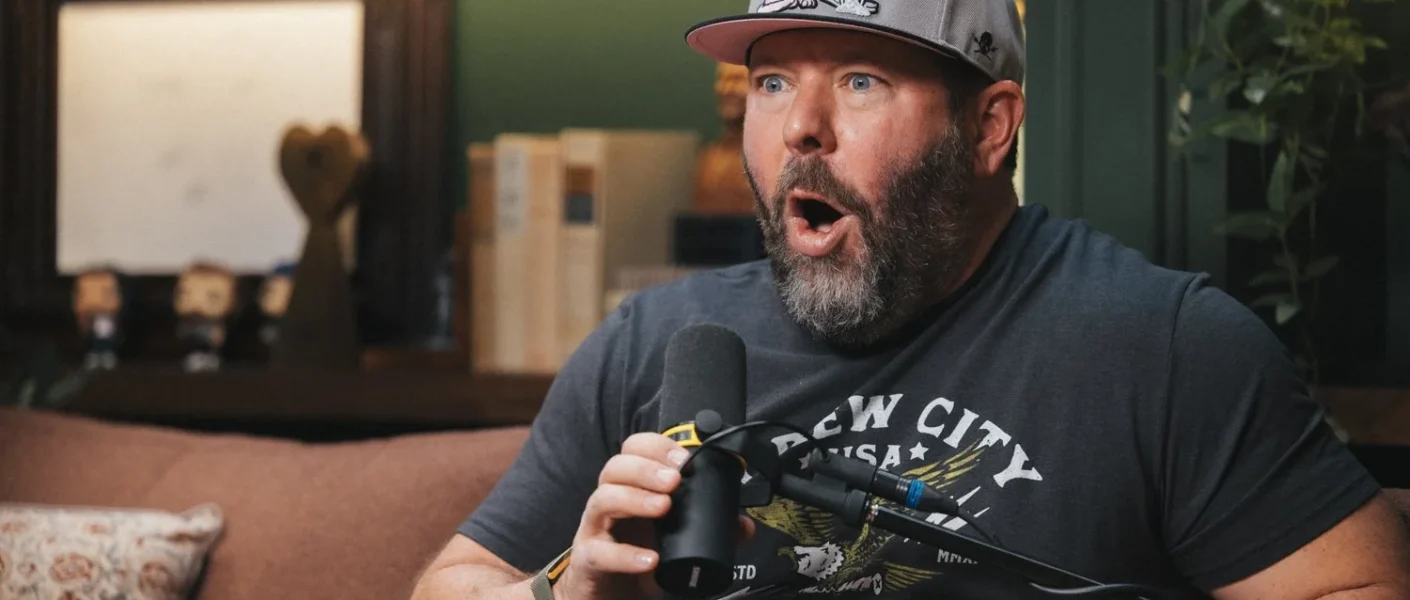
Bert Kreischer lives in Valley Village, a residential neighborhood in the San Fernando Valley of Los Angeles. He has owned a home there since 2009 and continues to operate his podcasting empire from the same property. This article explains exactly where he lives, what the house is like, how it fits his career, and why he has chosen to stay rooted in Valley Village despite massive professional success.
Bert Kreischer’s Exact Neighborhood: Valley Village, Los Angeles
Valley Village is a quiet, mid-to-high-end neighborhood known for privacy, family homes, and proximity to studios.
Valley Village sits between Studio City, Sherman Oaks, and North Hollywood. It offers quick access to major production hubs while maintaining a low-key residential feel. This balance is a major reason entertainers choose the area. Kreischer has referenced the neighborhood frequently when discussing his daily life, emphasizing that it feels normal rather than flashy.
The neighborhood is characterized by tree-lined streets, single-family homes, and a strong sense of community. It is not known for gated celebrity compounds, which aligns closely with how Kreischer describes his lifestyle.
The House Bert Kreischer Bought in 2009
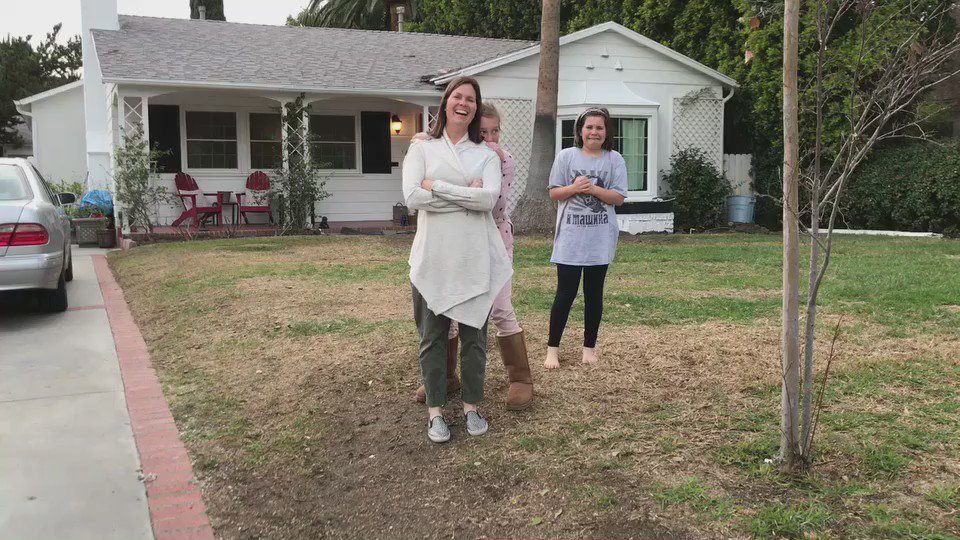
Bert Kreischer purchased his first Valley Village home in 2009 for approximately $520,000.
The original home was about 1,400 square feet with two bedrooms and two bathrooms. By Los Angeles standards, especially for an entertainer, this was a modest purchase even at the time. Kreischer has repeatedly referred to it as a “regular house,” distancing it from the stereotypical Hollywood mansion image.
What stands out is not the size or luxury but the emotional value. Kreischer has said the house has a specific energy that makes it feel like a real family home. Friends and peers have echoed this sentiment, describing it as lively and grounded rather than performative.
Why Bert Kreischer Never Sold His Valley Village Home
Despite earning millions from comedy tours, podcasts, and media deals, Kreischer has no plans to sell this house.
Kreischer has publicly stated that he intends to keep the property permanently. The reason is emotional attachment rather than financial logic. The home represents the period when his career was still growing, his family was settling in, and his creative voice was solidifying.
From an expert perspective, this decision also makes sense strategically. Holding long-term real estate in a high-demand Los Angeles neighborhood has proven financially sound, even if appreciation was not the primary motivation.
The Backyard Podcast Studio That Powers His Empire
Bert Kreischer built a dedicated studio structure in his backyard to record podcasts and digital content.
Rather than converting a room inside the house, Kreischer added a small standalone building on the property. This space functions as a professional recording studio and serves as the operational base for multiple shows, including Bertcast and 2 Bears, 1 Cave.
This setup allows him to maintain separation between home life and work while avoiding the overhead and scheduling constraints of external studios. It also gives him full creative control over production, which has become increasingly important in modern podcasting.
How His Home Setup Supports His Career in 2026
As of early 2026, Kreischer continues to actively use his home studio for media appearances and content production.
He has appeared on radio shows and podcasts, including recent discussions on The Mike Calta Show, while still recording from his Valley Village property. This consistency shows how effective the home-based studio model has been for him.
For high-output creators, owning a private production space eliminates logistical friction. Kreischer’s ability to record on demand has directly supported his volume of content and sustained audience engagement.
Current Value of Bert Kreischer’s Valley Village Property
Homes in Valley Village are currently valued between $1.26 million and $1.52 million as of early 2026.
Median sale prices range from roughly $1.27 million to $1.48 million, with list prices often exceeding $1.5 million. Limited inventory and steady buyer demand have kept the area firmly in seller’s market territory.
If Kreischer’s original home remained near its original footprint, its appreciation alone would likely exceed $700,000. Any additions or upgrades, such as the backyard studio, further strengthen long-term value.
Valley Village Compared to Nearby Neighborhoods
Valley Village sits in the middle of the San Fernando Valley price spectrum.
Studio City commands significantly higher prices, often exceeding $2.2 million. Sherman Oaks averages around $1.65 million. Greater Toluca Lake is comparable at roughly $1.3 million, while North Hollywood remains more affordable at around $900,000.
This positioning reinforces why Valley Village appeals to established creatives who want quality and privacy without extreme pricing or visibility.
Clearing Up Confusion About the “Kreischer House”
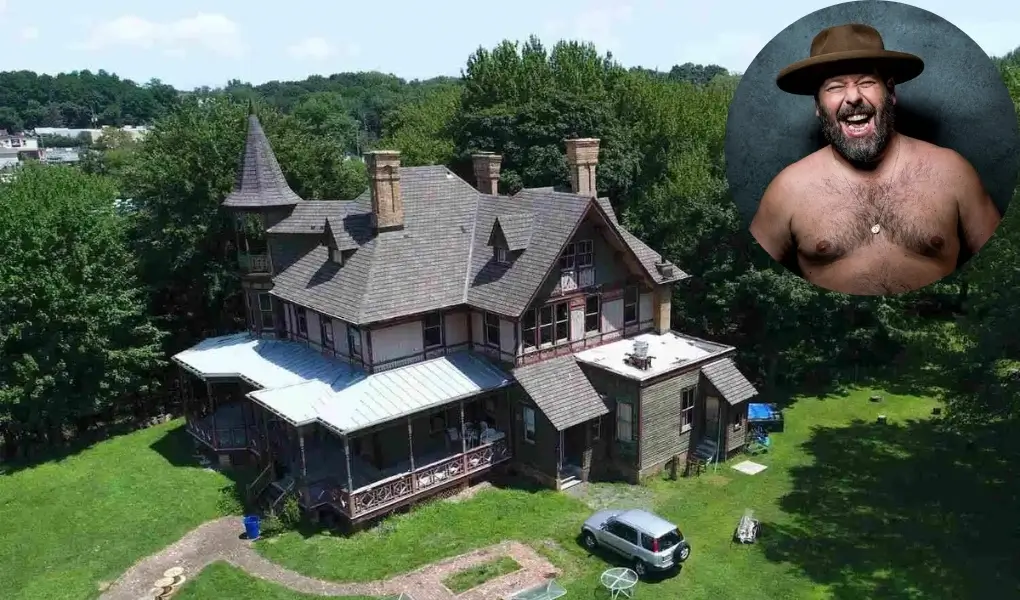
The Kreischer House in Staten Island, New York, has no connection to Bert Kreischer.
Sometimes referred to as the Kreischer Mansion, this historic property was built in 1885 by Balthasar Kreischer and is an American Queen Anne style landmark. It is completely unrelated to the comedian and should not be confused with his Valley Village residence.
Why Bert Kreischer’s Living Choice Fits His Brand
Bert Kreischer’s Valley Village home reflects his personality, career strategy, and values.
Choosing a normal family home over a celebrity estate reinforces his everyman comedic persona. Operating a media business from his backyard highlights his work ethic and independence. Staying in the same neighborhood for more than a decade shows loyalty and long-term thinking.
For fans asking where Bert Kreischer lives, the answer is simple. He lives where he built his life, his family, and his creative empire. Valley Village is not just an address for him. It is a foundation.
