
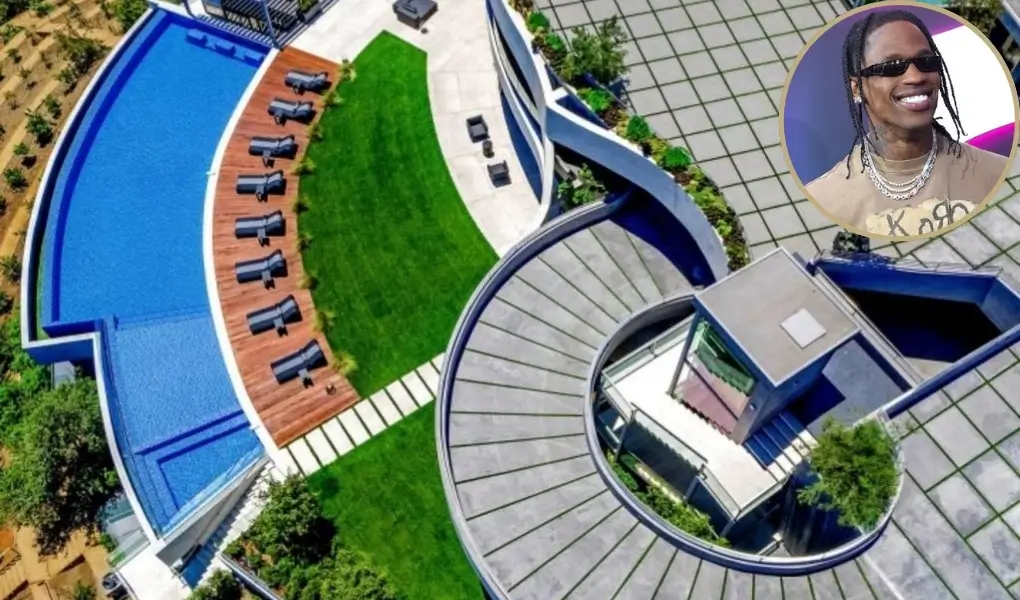
When people talk about celebrity homes, they usually focus on price tags or square footage. That misses the real story here. Travis Scott’s Brentwood estate is not impressive because it is expensive. It matters because it is architecturally intentional. Every curve, level change, and sightline is doing work.
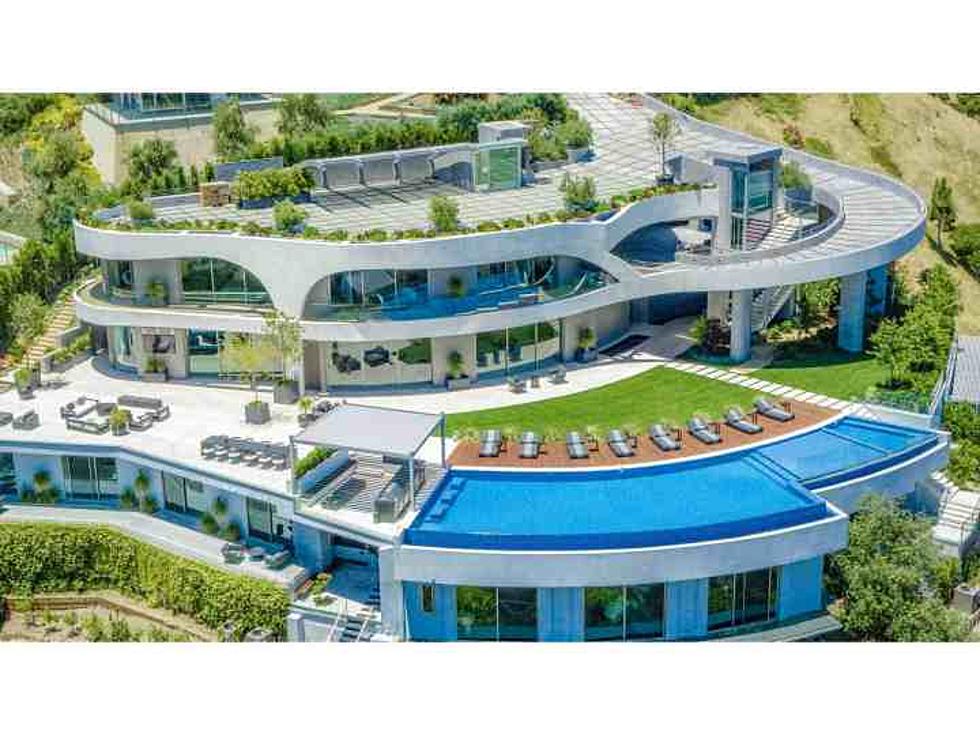
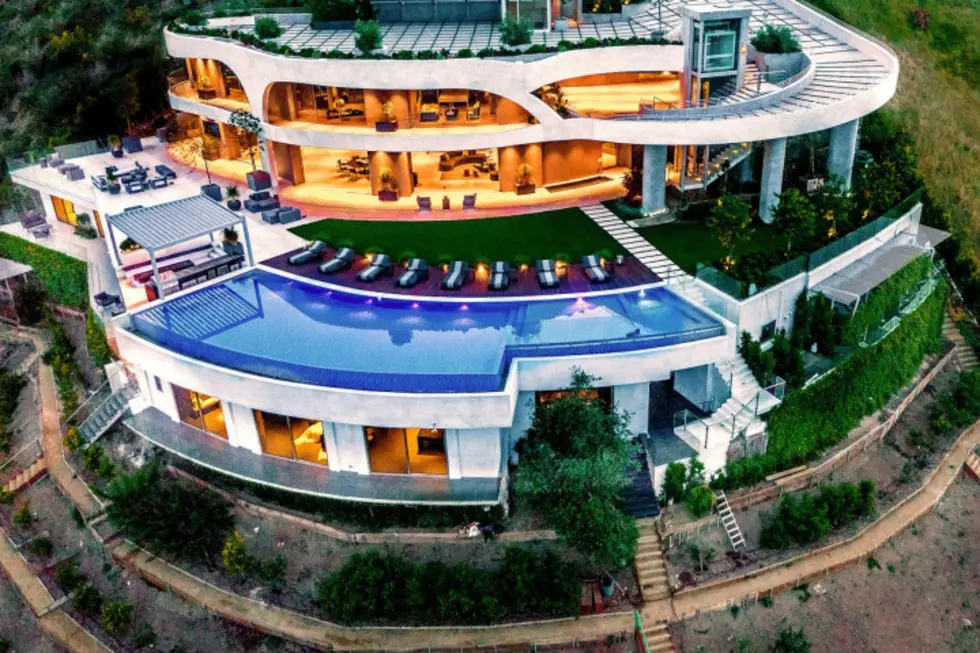
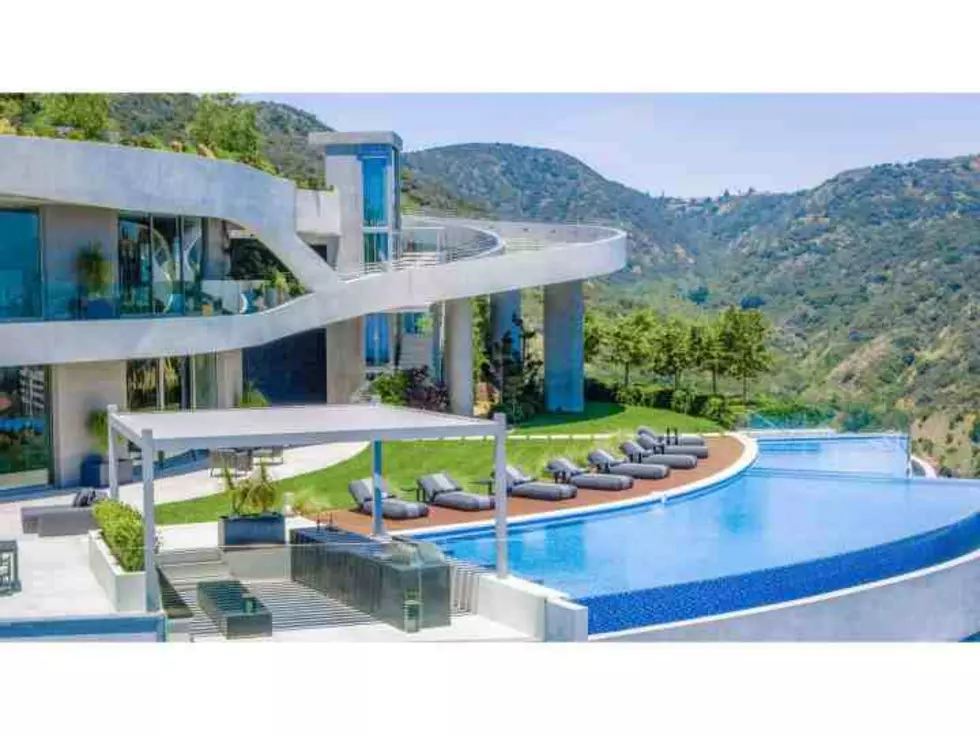
This is a home designed as an object, not a backdrop. It sits on a steep Brentwood hillside like a sculpted form, engineered to float above Los Angeles rather than dominate it. The result feels less like a mansion and more like a privately commissioned modern museum that happens to be livable.
For Nylahome readers, this property is worth studying because it shows what happens when architecture leads and lifestyle follows.
Property Profile at a Glance
Before going deeper, here is the high-level snapshot. These are the facts consistently reported across public records and architectural features, without exaggeration or speculation.
- Location: Brentwood, Los Angeles (hillside setting)
- Estimated current value: Approximately $27 million
- Reported purchase price: $23.5 million
- Living space: About 16,700 square feet
- Bedrooms: 7
- Bathrooms: 11
- Levels: Three-tier hillside design
- Architect: de Loren & Associates
- Design style: Curvilinear modern, yacht-inspired architecture
The difference between purchase price and current valuation matters. The $27M figure reflects market positioning and architectural scarcity, not a recorded transaction. That distinction is important for credibility.
Why Brentwood Is the Right Setting
Brentwood is not flashy in the way Beverly Hills can be. That restraint is exactly why high-concept architecture thrives here.
This neighborhood attracts buyers who want privacy, land, and discretion, but who still care deeply about design. Hillside parcels in Brentwood reward architects who know how to work with slope, not against it. Instead of flattening the land, the best homes step downward, creating layered experiences and uninterrupted views.
In this case, the hillside does more than hold the house. It shapes it. The entire layout is organized vertically, with each level unlocking a different relationship to the city below.
For homeowners and designers, Brentwood is a reminder that location is not just about prestige. It is about what kind of architecture the land allows.
The Architecture: Curves, Motion, and Control
The “Modern Yacht” Concept
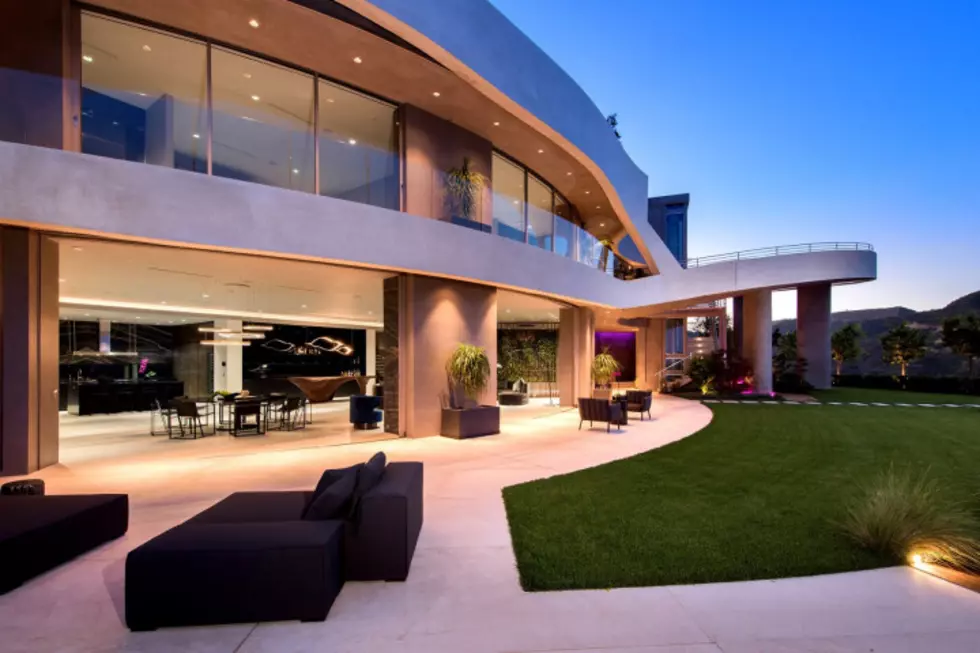
The most recognizable feature of the home is its curved façade. Straight lines are used sparingly. Most surfaces bend, sweep, or arc.
This is not decoration. It is structural storytelling.
The design has often been described as yacht-inspired, and that comparison holds up when you look closely. Like a luxury vessel, the home feels engineered for motion and flow, even while standing still. Curves soften the scale of the structure, making 16,700 square feet feel cohesive rather than overwhelming.
From the street, the house reads as a single sculptural object. From inside, it unfolds gradually.
Arrival as an Architectural Experience
Unlike traditional estates where the front door does all the work, this home uses arrival sequence as part of the design.
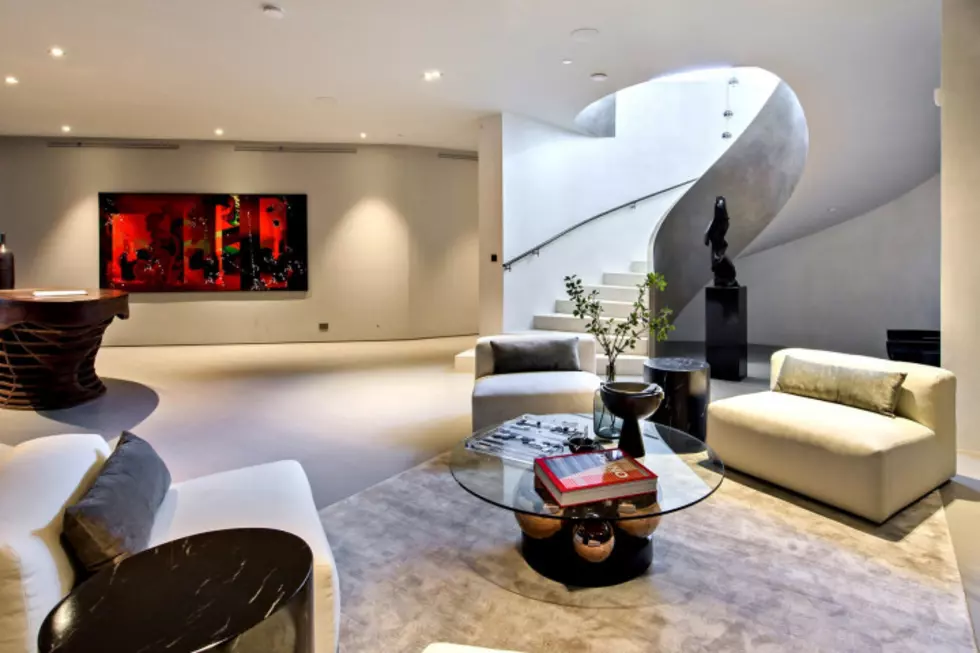
Vehicles are routed to upper-level parking, reinforcing the vertical nature of the site. From there, movement through the home becomes intentional. A glass-walled elevator is not just a convenience feature. It is a visual spine, connecting levels while framing views of Los Angeles as you move.
The driveway and entry materials lean toward polished stone and glass, signaling immediately that this is not a warm traditional home. It is a modern one with confidence.
Room-by-Room Breakdown
Exterior & Arrival Experience
The home presents itself as a sculptural object rather than a traditional façade. Curved concrete forms and large glass panels reduce visual bulk while reinforcing the yacht-like design language. Arrival is staged vertically, with access designed to emphasize elevation and views rather than street presence.
Entry Hall & Vertical Core
Movement through the home is intentional. A glass-walled elevator acts as the architectural spine, connecting all three levels while maintaining constant visual contact with the city beyond. Natural materials at the entry soften the modern palette and establish balance early.
Main Living Area (Great Room)
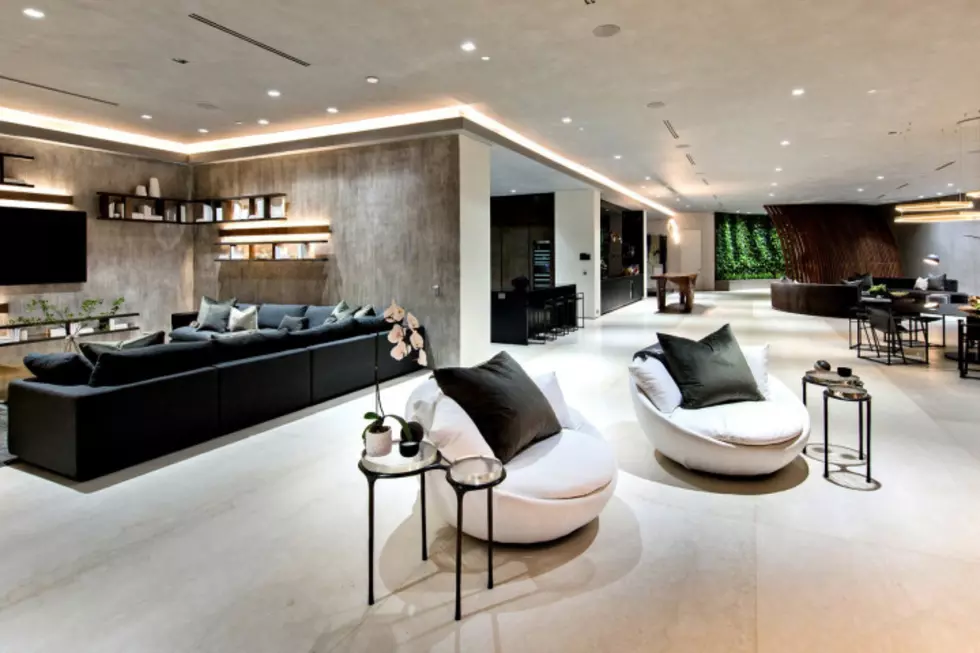
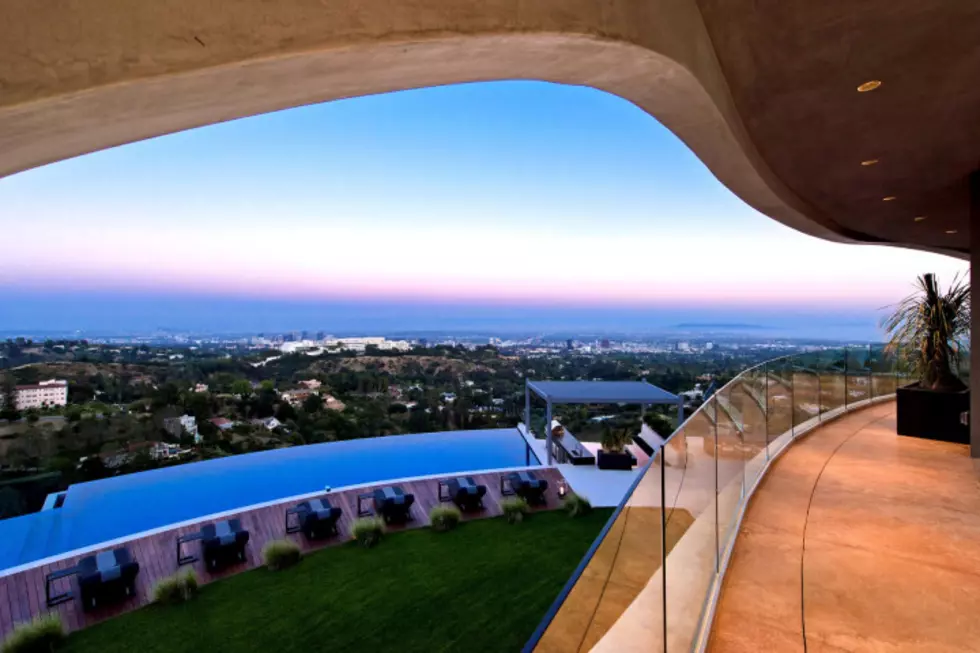
The primary living level is fully open-plan, with living, dining, and lounge zones sharing a single continuous volume. Instead of walls, space is defined through furniture placement and ceiling height variation. Floor-to-ceiling glazing makes the Los Angeles skyline part of the interior experience.
Kitchen & Entertaining Core
The kitchen is restrained but highly functional. Dark stone countertops, integrated appliances, and clean cabinetry keep attention outward rather than inward. Supporting wet bars throughout the home allow the main kitchen to remain uncluttered even during large gatherings.
Primary Suite
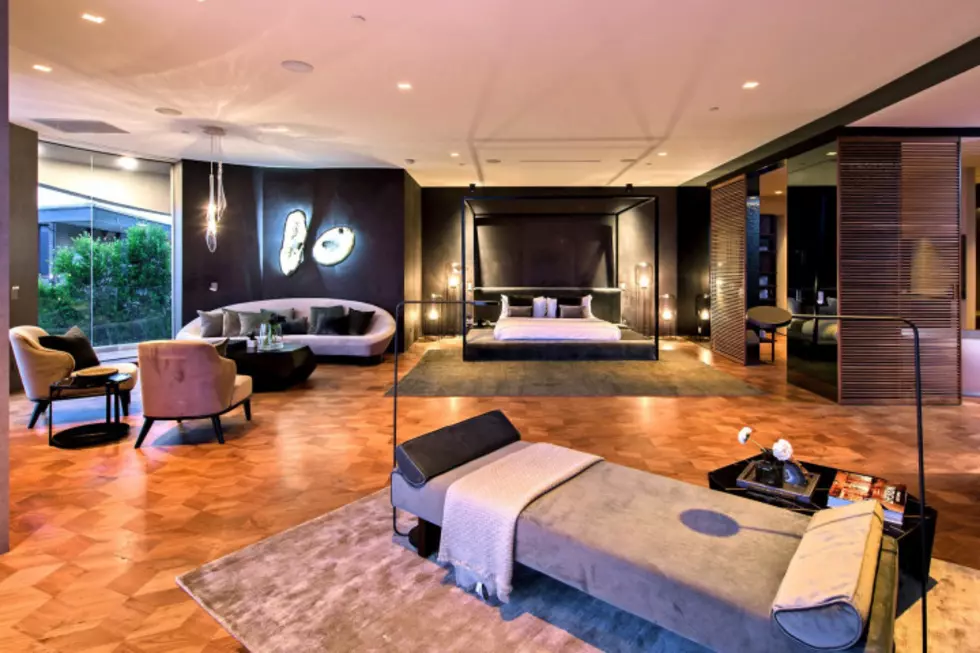
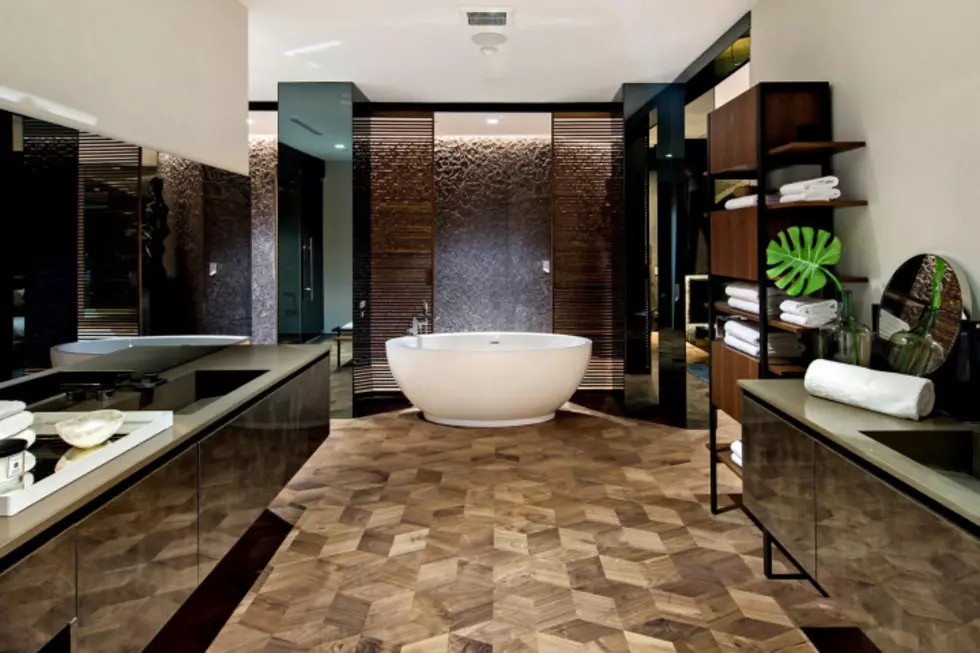
The primary suite prioritizes privacy and calm. Positioned to maximize views, it includes direct access to a private terrace. The bathroom follows spa-style planning, with a soaking tub, generous shower, and an emphasis on flow rather than ornamentation.
Additional Bedrooms & Guest Suites
Guest suites mirror the main design language. Large windows, clean detailing, and consistent material choices ensure that secondary rooms do not feel like afterthoughts. This consistency is a hallmark of architect-led estates.
Home Theater
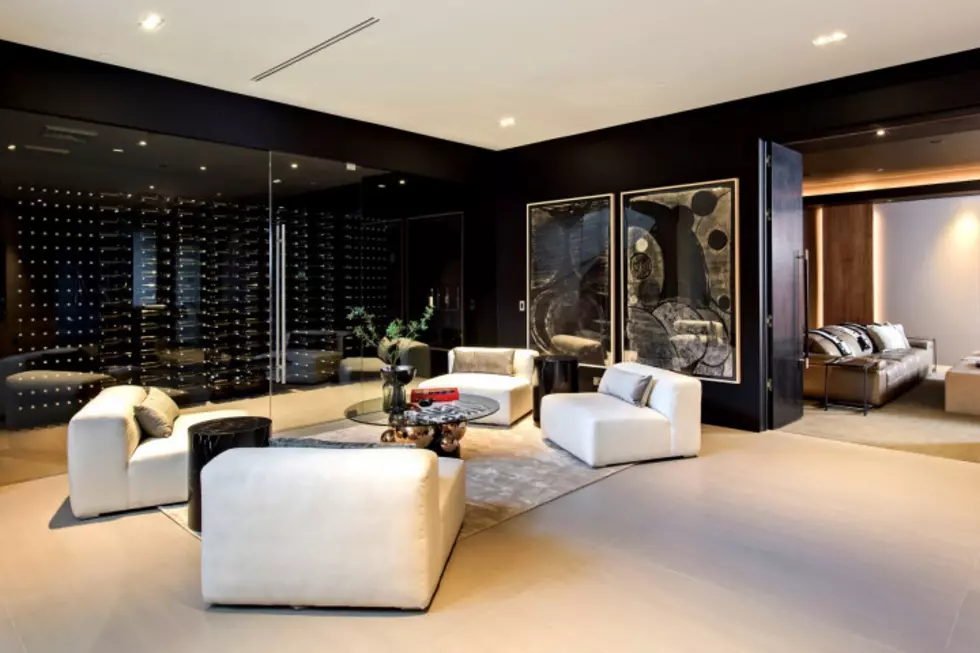
A dedicated 15-seat private theater provides a controlled environment for media and entertainment. Dark finishes and acoustic planning separate this space from the otherwise light-filled home, reinforcing functional zoning.
Gym, Wellness & Wine Room
Wellness amenities include a fully equipped gym and sauna, designed to feel private rather than performative. A temperature-controlled wine room supports serious collection storage without becoming a visual focal point.
Outdoor Living & Infinity Pool
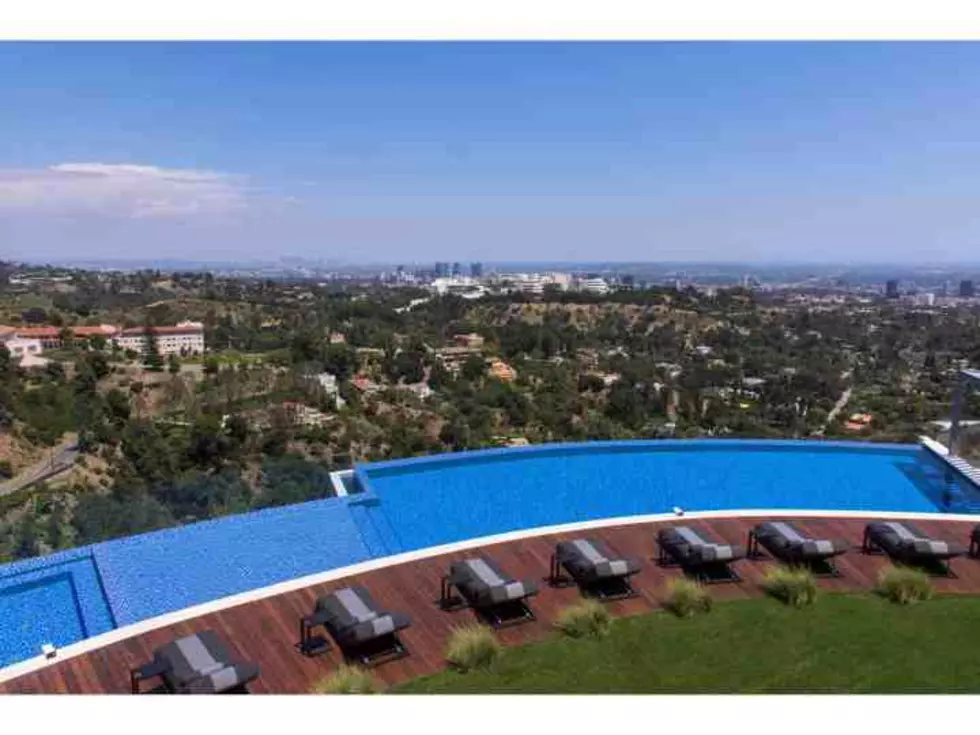
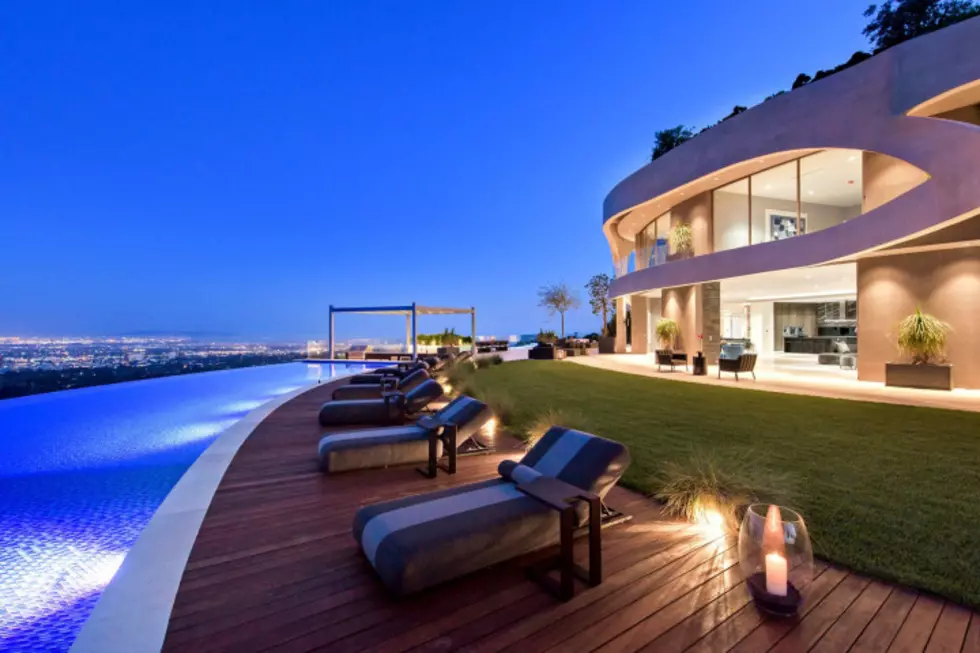
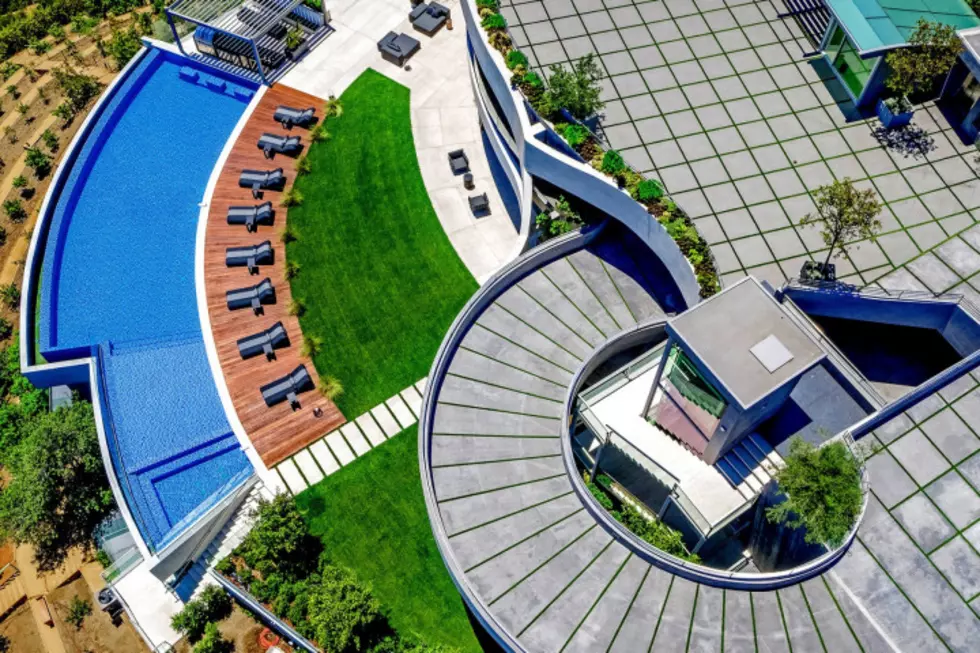
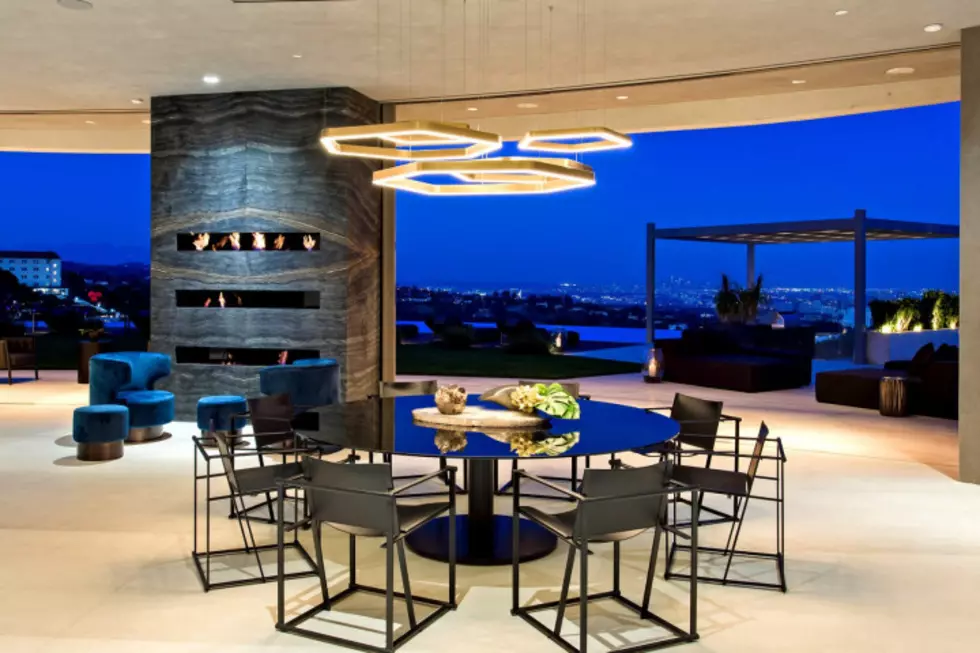
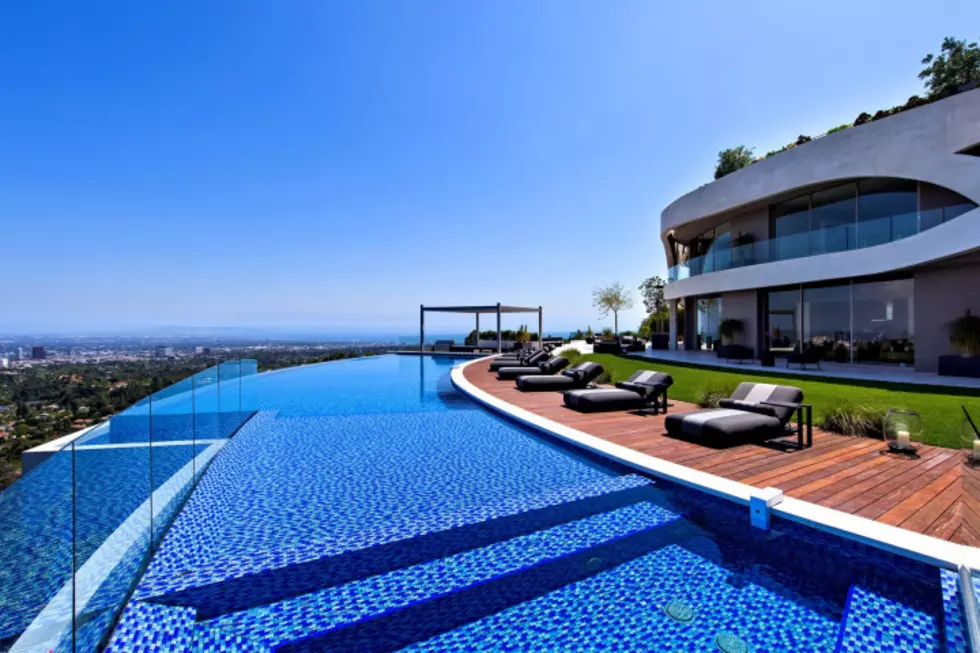
Outdoor areas function as direct extensions of the interior. Large openings allow seamless transitions between inside and out. The approximately 75-foot infinity pool emphasizes horizontal movement and visually pulls the skyline into the property rather than blocking it.
Interior Layout: Built for Hosting, Not Hiding
The Main Living Level
The primary living level is designed around openness and connection. Walls dissolve into glass. Rooms bleed into one another.
Instead of separating dining, lounging, and cooking, the home uses zoning through furniture placement and ceiling variation. This approach keeps sightlines clear and reinforces the idea that the view is the main event.
The kitchen anchors the space but does not dominate it. Dark stone surfaces and clean-lined cabinetry keep attention moving outward rather than inward. Wet bars and service zones are integrated quietly, supporting large gatherings without turning the home into a party trick.
This level reflects a core principle of luxury architecture: the best rooms feel effortless, even when they are technically complex.
Upper-Level Private Suites
Upstairs, the tone shifts. The design becomes calmer and more contained.
The primary suite is positioned to maximize privacy while preserving expansive views. Floor-to-ceiling glass opens to a private terrace. The bathroom leans spa-like, with a soaking tub, oversized shower, and a layout that prioritizes flow rather than ornamentation.
Additional suites follow the same logic. They are generous without being showy. This consistency matters. In homes at this scale, uneven room quality is a common flaw. Here, each private space feels deliberate.
Art, Texture, and Biophilic Design
One of the smartest choices in the home is the restraint shown with art and finishes.
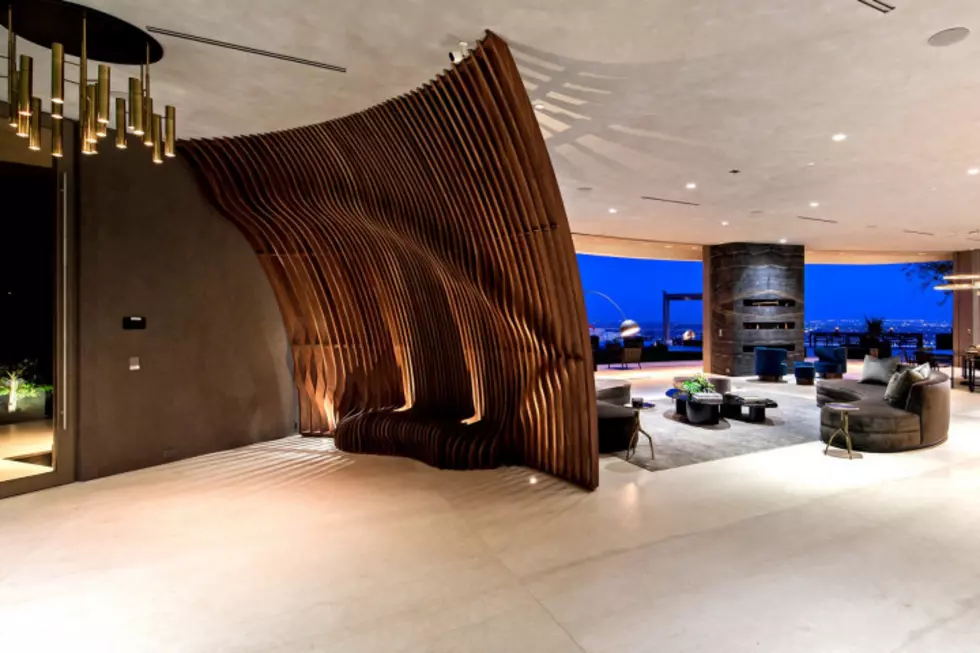
Rather than filling walls with décor, the design relies on statement pieces. The most talked-about example is the carved wood sculpture at the entry, created by Japanese craftsman Toshi Kawabata. Paired with a living wall, it introduces warmth and organic texture into an otherwise sleek environment.
This moment sets the tone for the entire interior. Natural materials appear strategically. Wood, greenery, and stone are used as counterweights to glass and steel.
For homeowners, this is a valuable lesson. Modern design does not have to feel cold. It just requires discipline.
Outdoor Living: A True Extension of the Interior
The outdoor spaces are not secondary. They are equal partners.
Large glass openings allow the main living areas to spill onto terraces without a visual break. The star feature is the approximately 75-foot infinity pool, positioned to pull the skyline into the property rather than block it.
This pool is not decorative. Its length emphasizes horizontal movement, echoing the curves of the architecture. A cabana and outdoor kitchen complete the resort-like setup, but they remain understated.
What stands out most is how the outdoor design avoids clutter. There is space to breathe. That restraint is rare in celebrity homes and worth noting.
Amenities That Define the Tier
Luxury is not about how many features you list. It is about whether they feel integrated.
This home includes:
- A 15-seat private theater
- A fully equipped gym and sauna
- A temperature-controlled wine room with capacity for hundreds of bottles
- Multiple entertainment zones and wet bars
None of these spaces feel bolted on. They are embedded into the architecture, not appended to it. That integration separates architectural estates from oversized houses.
Hillside Reality: Beauty Comes with Responsibility
In 2024, public attention shifted briefly toward the property due to visible land movement on the hillside after heavy rainfall. Cracks in soil near the structure prompted inspections by city departments and geotechnical professionals.
No evacuation orders were issued, and the event did not signal structural failure. Still, it served as a reminder of an important truth.
Hillside homes require constant stewardship.
Drainage, retaining systems, and ongoing monitoring are not optional at this level. Buyers attracted to dramatic views must also accept the responsibility that comes with them.
For Nylahome readers, this is not a cautionary tale. It is an educational one. Architecture and geology are partners. Ignoring either is expensive.
What Homeowners Can Learn From This Estate
You do not need a $27M budget to apply the ideas behind this home.
Here are the transferable principles:
- Use curves intentionally. Rounded islands, arched walls, or curved ceilings soften modern interiors.
- Create a single visual axis. Entry to focal art to view. One strong moment beats many weak ones.
- Let materials speak. Fewer finishes, chosen well, feel more luxurious than excess.
- Respect the land. If your home sits on a slope, invest early in drainage and inspections.
- Design for flow. Movement through a home matters as much as how rooms look in photos.
These lessons are practical, not aspirational.
Final Perspective
Travis Scott’s Brentwood home stands out because it does not try to impress loudly. Its confidence is architectural, not decorative.
This estate proves that modern luxury works best when design leads lifestyle, not the other way around. For Nylahome readers who care about how homes function, age, and adapt, this property is more than a celebrity headline. It is a case study in architectural discipline.
And that is what makes it worth attention long after the market shifts.
FAQ
Who owns the Brentwood architectural mansion?
The home is owned by Travis Scott, who purchased the property in 2020. Public records and major real estate outlets confirm the transaction.
How much did Travis Scott pay for the house?
The reported purchase price was $23.5 million. The commonly cited $27 million figure reflects an estimated current market value, not a recorded sale.
Where is the house located?
The estate is located in Brentwood, Los Angeles, on a private hillside lot. For security and privacy reasons, the exact address is not publicly disclosed.
Who designed the house?
The home was designed by de Loren & Associates, a Los Angeles–based firm known for high-end contemporary architecture.
How big is the property?
The residence spans approximately 16,700 square feet, featuring 7 bedrooms and 11 bathrooms across three levels.
What architectural style is the home?
The house follows a curvilinear modern design, often described as yacht-inspired, with sweeping curves, extensive glass walls, and strong indoor-outdoor integration.
How We Researched This: “This analysis was compiled using 2020-2025 public property records, architectural project data from de Loren & Associates, and geotechnical reports from the LA Dept of Building and Safety.
Disclaimer: This article is intended for informational and editorial purposes only. Property values, architectural details, and ownership information are based on publicly available reports and may change over time. No private addresses, security details, or confidential records are disclosed. The content does not constitute real estate, financial, or legal advice. All design observations reflect architectural interpretation rather than endorsement or affiliation with the property owner or architect.
