
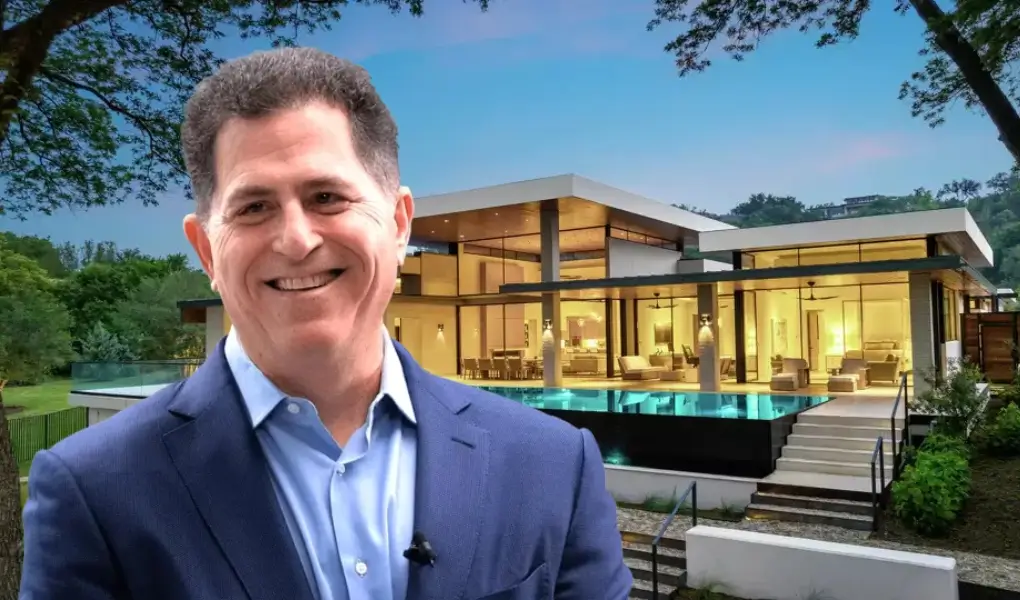
Michael Dell, Founder, Chairman, and CEO of Dell Technologies, owns one of the most significant private residences in Austin, Texas. Known locally as “The Castle”, this 33,000 square foot estate in West Lake Hills reflects the scale of his global success and the precision of his long term vision. Built in 1997 and expanded through strategic land acquisitions, the property remains one of the most private and architecturally important homes in Texas luxury real estate.
Michael Dell’s “The Castle” Quick Facts
This table summarizes the most important verified details about Michael Dell’s primary Austin residence and related holdings.
| Category | Details |
|---|---|
| Owner | Michael Dell |
| Primary Residence Name | “The Castle” |
| Location | West Lake Hills, Austin, Texas |
| Year Built | 1997 |
| Architect | Charles Gwathmey, Gwathmey Siegel & Associates Architects |
| Architectural Style | Modernist Architecture |
| Construction Oversight | Juan Miro |
| Main House Size | Approximately 33,000 square feet |
| Original Lot Size | About 20 acres |
| Total Contiguous Holdings | Roughly 119 acres through adjacent land purchases and conservation easements |
| Bedrooms | 8 |
| Bathrooms | 13 |
| Key Amenities | Indoor and outdoor pools, tennis court, conference room, smart kitchens, 360 degree Lake Austin views |
| Security | High granite perimeter walls, controlled access, permanent security presence |
| Recent Renovation | 2021 to 2023 renovation led by Paul Lamb Architects with Moroccan design influence |
| Nearby Asset | 6D Ranch, 6,380 square foot contemporary ranch property |
| Notable Out of State Property | “Raptor Residence” in Kukio, Hawaii, approximately 18,500 square feet |
| Primary Source of Wealth | Dell Technologies |
Who Is Michael Dell and Why Austin Matters
Michael Dell built Dell Technologies into one of the most influential technology companies in the world. Headquartered in nearby Round Rock, just 20 miles from his residence, the company anchors the region’s economic growth and innovation ecosystem. Dell’s connection to Austin is not symbolic. It is operational, philanthropic, and deeply personal.
Alongside his wife, Susan Dell, he has shaped the city through business expansion and charitable initiatives via the Michael & Susan Dell Foundation. The estate’s location in West Lake Hills places him within the most prestigious residential corridor overlooking Lake Austin, a geographic feature that defines the upper tier of Austin wealth.
The Castle: Architecture, Scale, and Design Authority
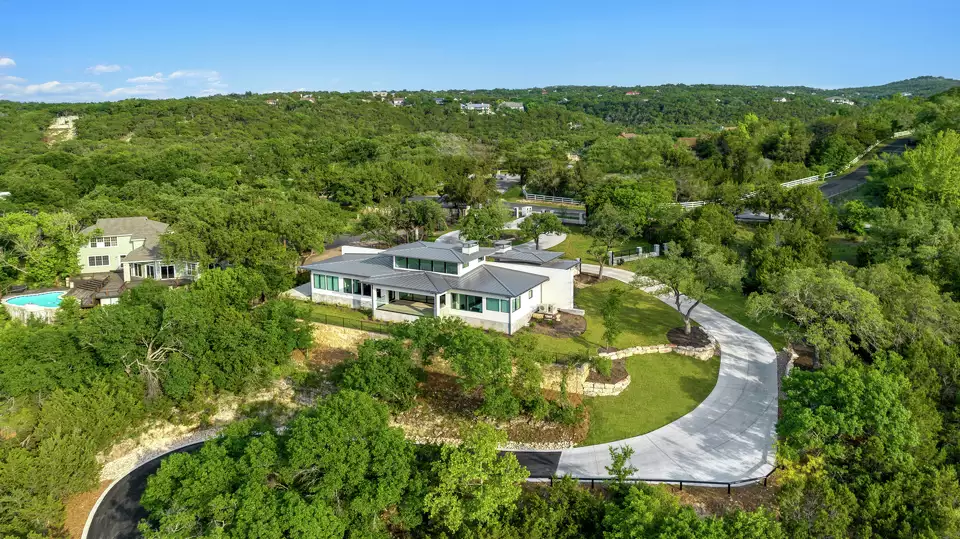
“The Castle” spans approximately 33,000 square feet and originally sat on a 20 acre parcel. Over time, Dell acquired surrounding lots, bringing total contiguous holdings to roughly 119 acres through conservation easements. This legal strategy prevents future development and preserves long term privacy.
The home was designed by Charles Gwathmey of Gwathmey Siegel & Associates Architects, one of the most respected names in Modernist Architecture. Gwathmey was known for mathematically precise compositions and sculptural forms. He sent architect Juan Miro to Texas to oversee construction, ensuring the execution matched the firm’s design standards.
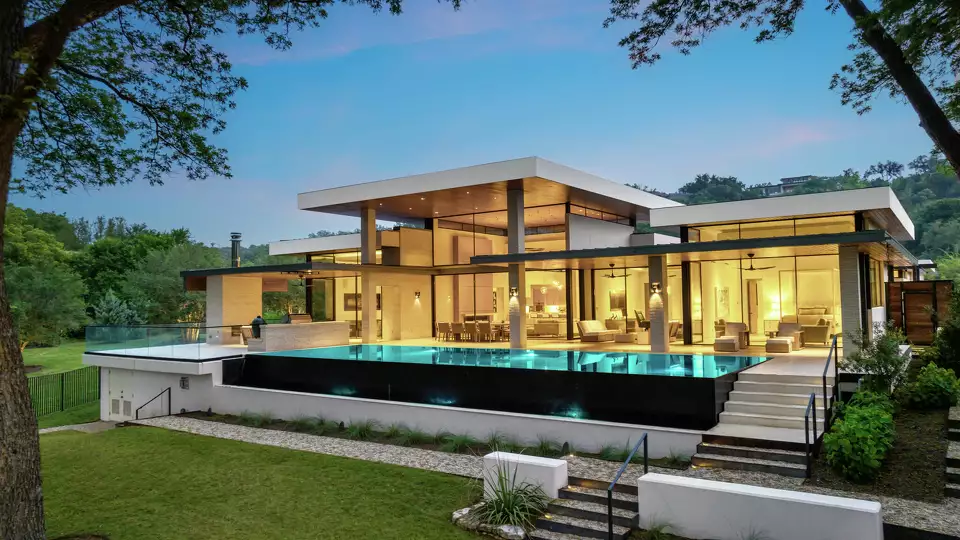
The result is a residence defined by granite, stainless steel, and geometric balance. Unlike traditional Texas estates that lean into ranch aesthetics, Dell’s home projects disciplined modernism. That architectural decision signals intent. It communicates global sophistication rather than regional nostalgia.
Property Specifications
- 33,000 square feet of interior living space
- 8 bedrooms and 13 bathrooms
- Indoor and outdoor swimming pools
- Private tennis court
- Professional grade conference room
- Multiple smart kitchens
- Permanent security infrastructure
The nickname “The Castle” reflects more than its hilltop setting. Granite perimeter walls, controlled access points, and a full time security presence create a fortress like environment. For a billionaire technology executive, privacy is not optional. It is strategic.
2021 to 2023 Renovation: A Moroccan Influence
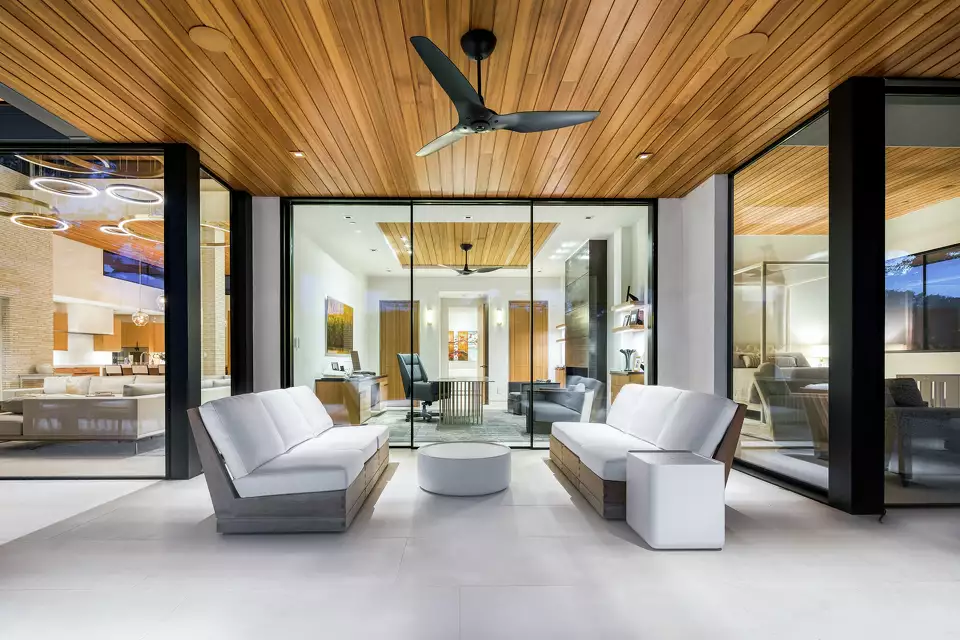
Between 2021 and 2023, the Dell family undertook a major renovation led by Paul Lamb Architects. The redesign introduced a “feeling of Morocco” into portions of the estate, softening the stark modernist lines with warmer textures and global influences. According to reporting from Business Insider, the renovation modernized key living areas while preserving the architectural integrity of the original structure.
This shift reflects a broader trend among ultra high net worth homeowners. Initial builds often emphasize scale and statement. Later renovations prioritize experience and comfort. In Dell’s case, the estate evolved from a modernist monument into a more layered private retreat.
Lake Austin: The Strategic Geography of Wealth
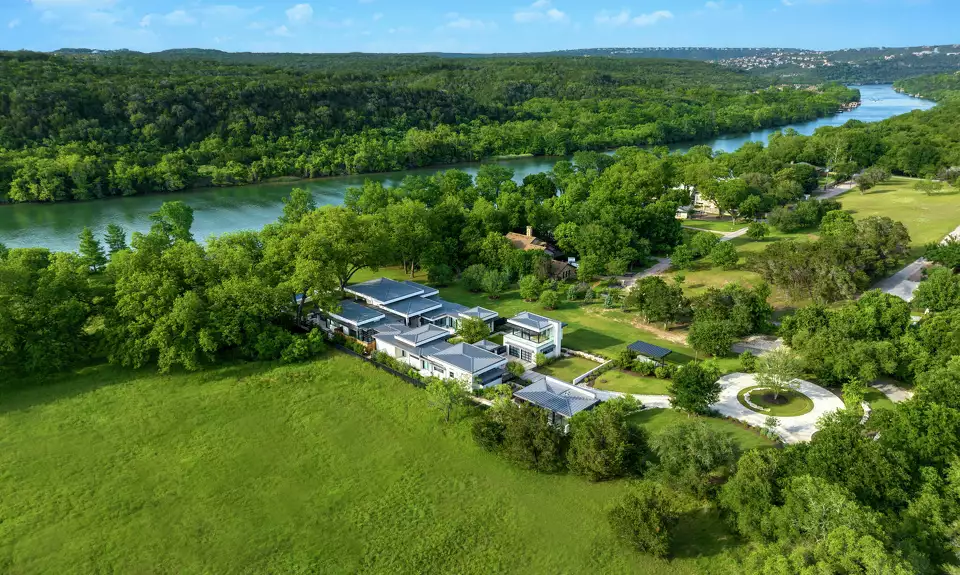
The estate overlooks Lake Austin, one of the most valuable residential zones in Texas. Waterfront and hilltop properties in this corridor command some of the highest price per square foot metrics in the state. Dell’s land acquisitions effectively created a private buffer against neighboring luxury compounds.
Nearby estates have listed for tens of millions of dollars, reinforcing the property’s appreciation potential. Proximity to downtown Austin, combined with relative seclusion, makes this area uniquely attractive to technology founders and investment leaders relocating from California and New York.
6D Ranch and Expanded Holdings
Beyond the main estate, Michael Dell owns 6D Ranch, a 6,380 square foot contemporary ranch property located just a few miles away. Historically used for recreational hunting and housing Arabian horses, the ranch has drawn local attention due to agricultural tax classifications.
From a portfolio perspective, 6D Ranch functions as a complementary asset. It diversifies land use while remaining within the same geographic ecosystem. According to Business Insider, Dell’s broader Austin footprint reflects a pattern of long term territorial consolidation rather than speculative buying.
National Portfolio: From Austin to Hawaii and New York
Michael Dell’s real estate strategy extends well beyond Texas. His holdings include a reported $100 million penthouse in New York’s One57 tower and the so called “Raptor Residence” in Kukio, Hawaii. The Hawaii estate alone spans 18,500 square feet and was valued at more than $64 million at acquisition.
The Wall Street Journal detailed several of these properties in a feature on his five luxury homes, emphasizing the diversity of geography and architectural style across his portfolio. You can read more via The Wall Street Journal.
This geographic diversification reflects sophisticated asset allocation. Austin provides operational proximity. New York offers financial network access. Hawaii delivers lifestyle insulation. Each property serves a defined strategic role.
Security, Privacy, and the Billionaire Standard
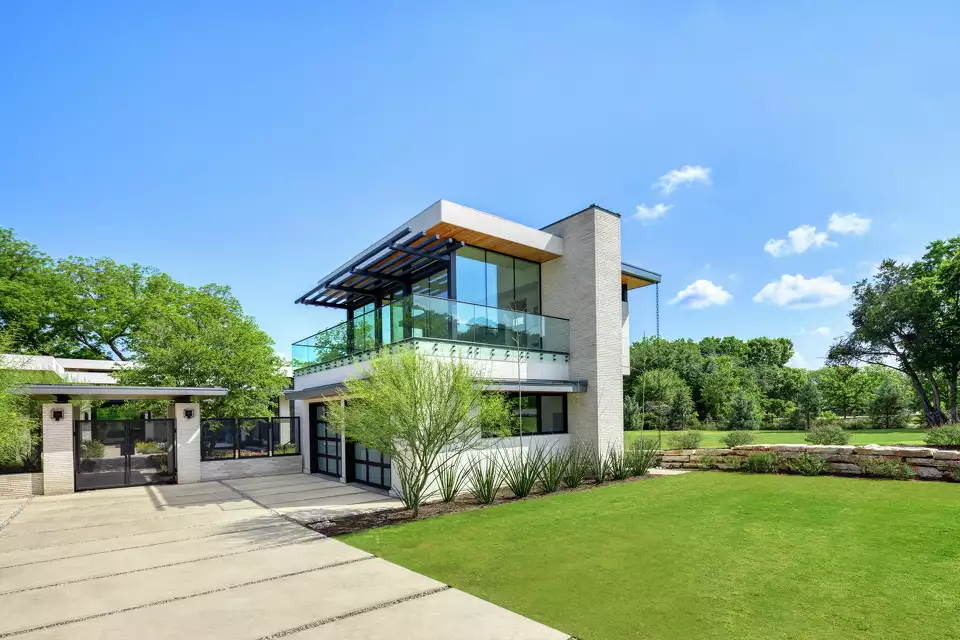
aire level, residential real estate becomes an extension of corporate risk management. The Castle’s controlled access points, security personnel, and topographic advantage create layered protection. The hilltop location allows for 360 degree views, including sweeping sightlines across Lake Austin.
Privacy is reinforced not just by walls but by land control. The conservation easements attached to adjacent parcels reduce the probability of unwanted development. Few ultra wealthy homeowners execute this strategy at such scale.
Philanthropy and Community Impact
The Michael & Susan Dell Foundation has invested billions into education, health, and family economic stability initiatives. While philanthropy does not directly relate to square footage, it strengthens Dell’s long term stake in Austin. The estate is not an isolated compound detached from civic life. It sits within a network of economic and charitable influence.
This integration of business, residence, and philanthropy reinforces his credibility within the region. It also explains why Austin remains his primary base rather than relocating permanently to a coastal financial hub.
Expert Analysis: What The Castle Represents
The Castle is more than a large home. It is a physical manifestation of disciplined growth. Built during the height of the personal computer boom in the late 1990s, it symbolized Dell’s rise as one of the youngest billionaires in the world. Subsequent renovations and land acquisitions show adaptability and long term planning.
Architecturally, the estate bridges American modernism and global influence. Financially, it represents stable asset parking in a high growth city. Strategically, it reinforces Austin as a credible headquarters for global technology leadership.
In the broader context of luxury real estate, Michael Dell’s primary residence stands as one of Texas’ most fortified and architecturally significant private compounds. Its scale, design pedigree, and strategic land control distinguish it from typical celebrity estates.
Final Perspective
Michael Dell’s 33,000 square foot estate in West Lake Hills remains one of the most recognizable private homes in Austin. Known as The Castle, it blends Modernist Architecture, security infrastructure, and strategic land ownership into a cohesive long term asset. Positioned near Dell Technologies headquarters and overlooking Lake Austin, the property anchors a portfolio that spans from Texas to Hawaii to New York.
For observers of billionaire real estate trends, The Castle offers a clear lesson. True luxury at this level is not about ornamentation. It is about control, foresight, and permanence.
